Detailed technical content
Select the delivery mechanism for the lubrication point
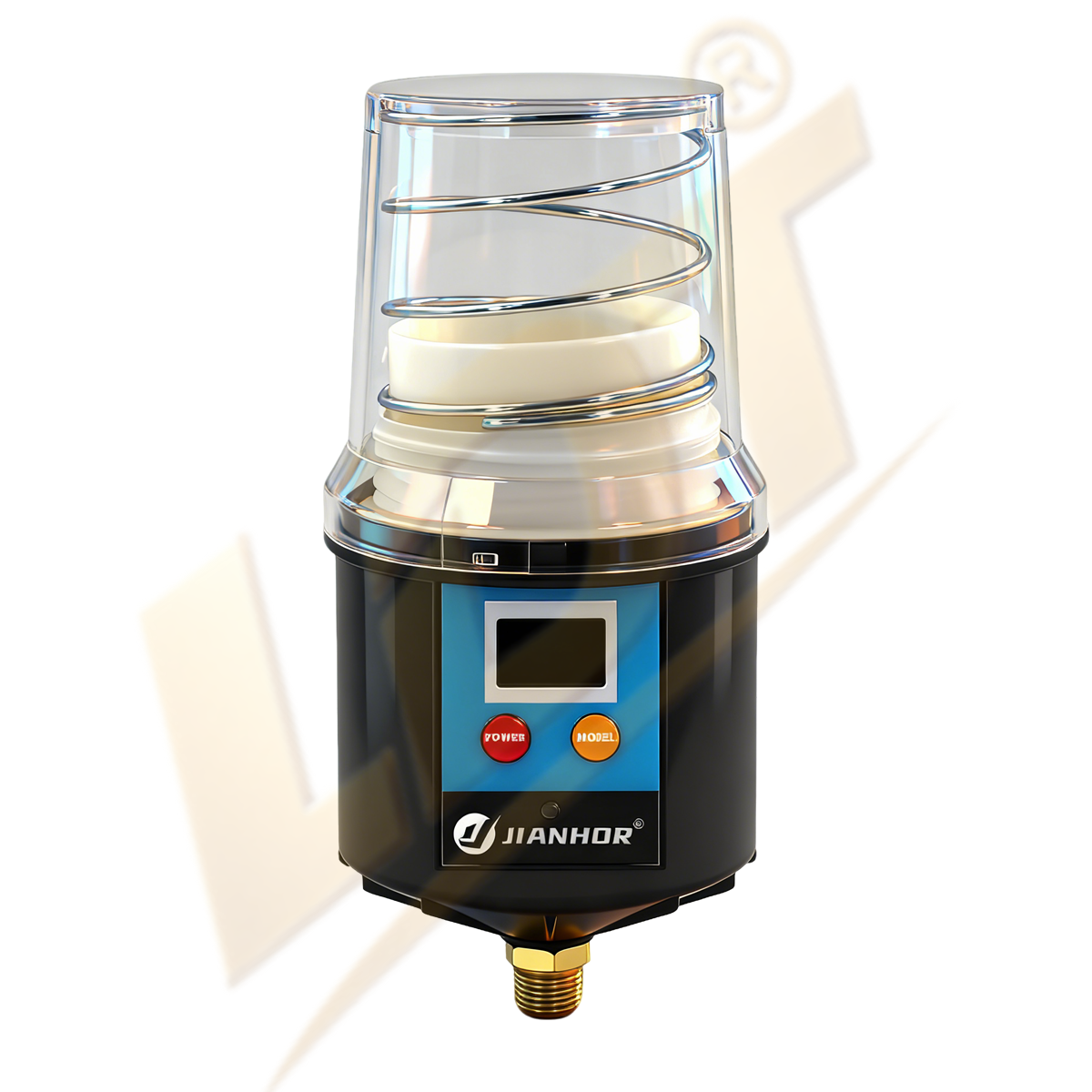
Single-point lubricators may use a battery/electric drive or a mechanical spring mechanism. The ME and VRH300 series use battery power, while the S series uses a spring. These two principles differ in adjustment capability, delivery pressure, capacity and operating range.
Before selecting a unit, determine its mounting position, grease requirement over time, temperature, grease type and the back pressure of the supply line if the device is not mounted directly at the lubrication point.
Larger capacity does not always mean longer service time
Service time depends on both capacity and delivery rate. A unit with a large reservoir can still run out of grease quickly if set to a high delivery rate. For a programmable device, select the cycle according to the actual requirements of the bearing, chain or mechanism being lubricated rather than setting the longest duration simply to reduce replacement frequency.
Pressure and remote-mounting distance must be checked
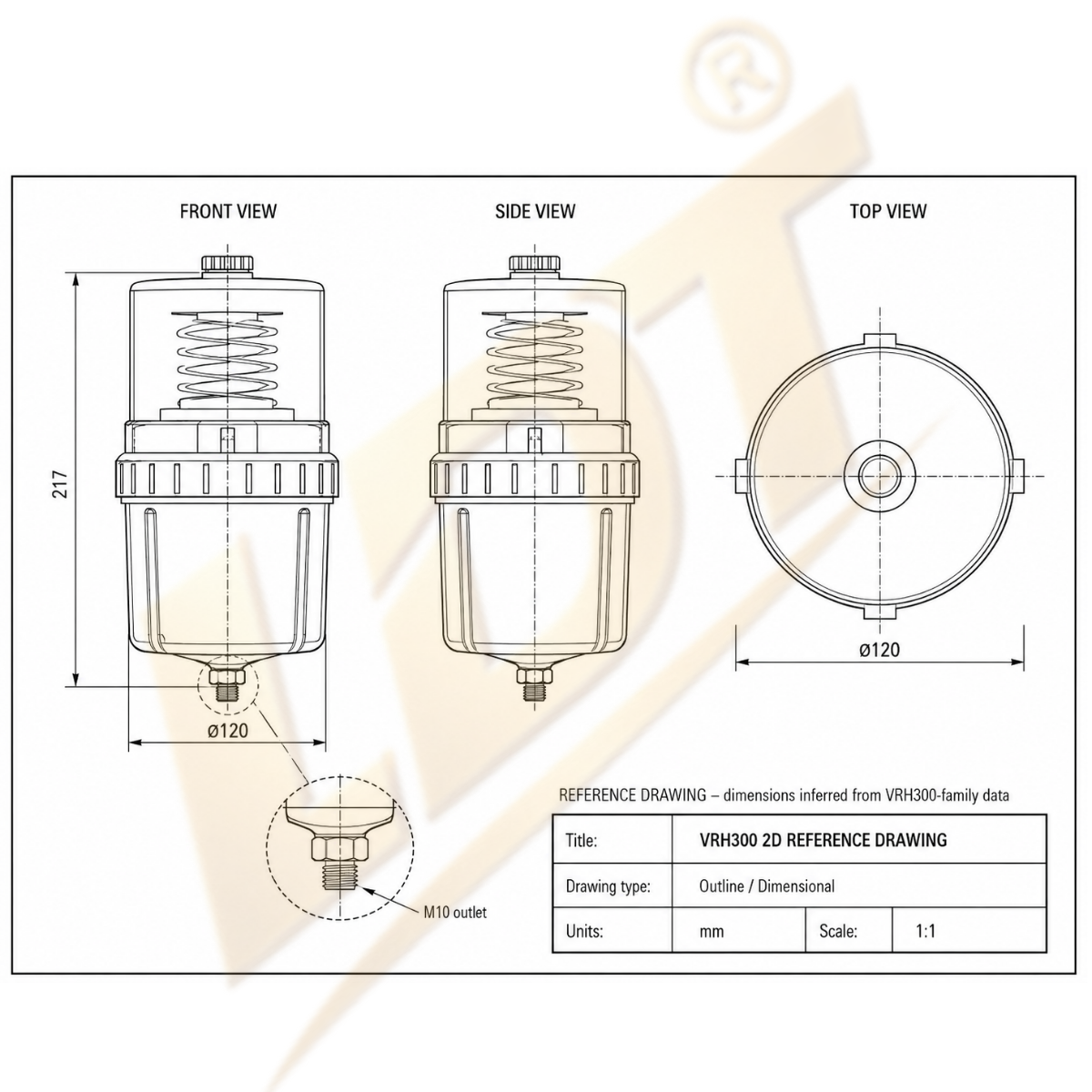
Pressure loss is generally lower when the lubricator is mounted directly. If tubing is used to deliver grease to a remote point, tube length, diameter, grease type and temperature all increase resistance. Jianhe states that the ME125 can deliver grease over a maximum distance of 5 m under suitable conditions; the VRH300 has a higher maximum working pressure than the mechanical S series.
Do not apply a single remote-mounting distance to every device series.