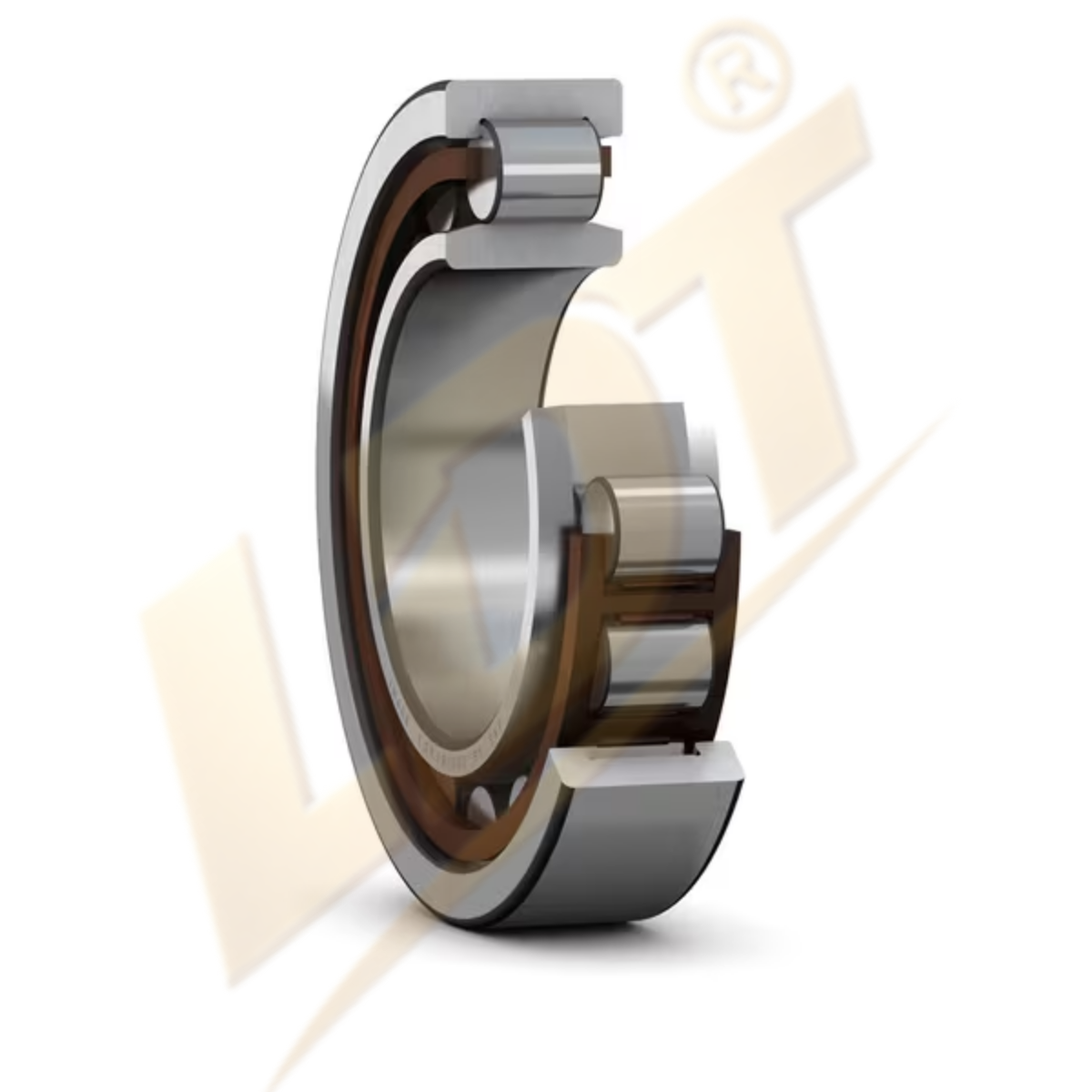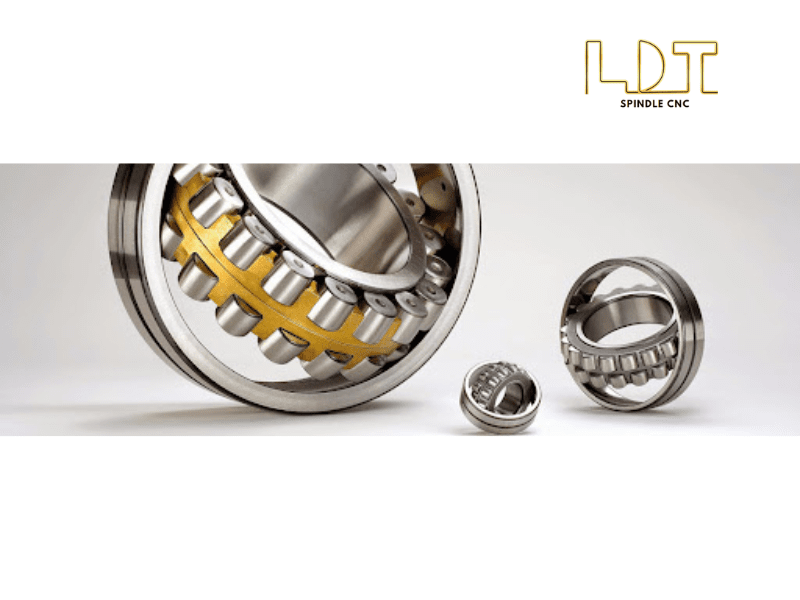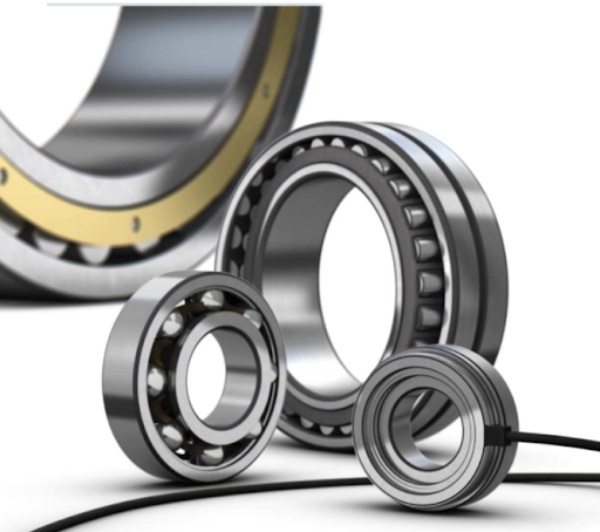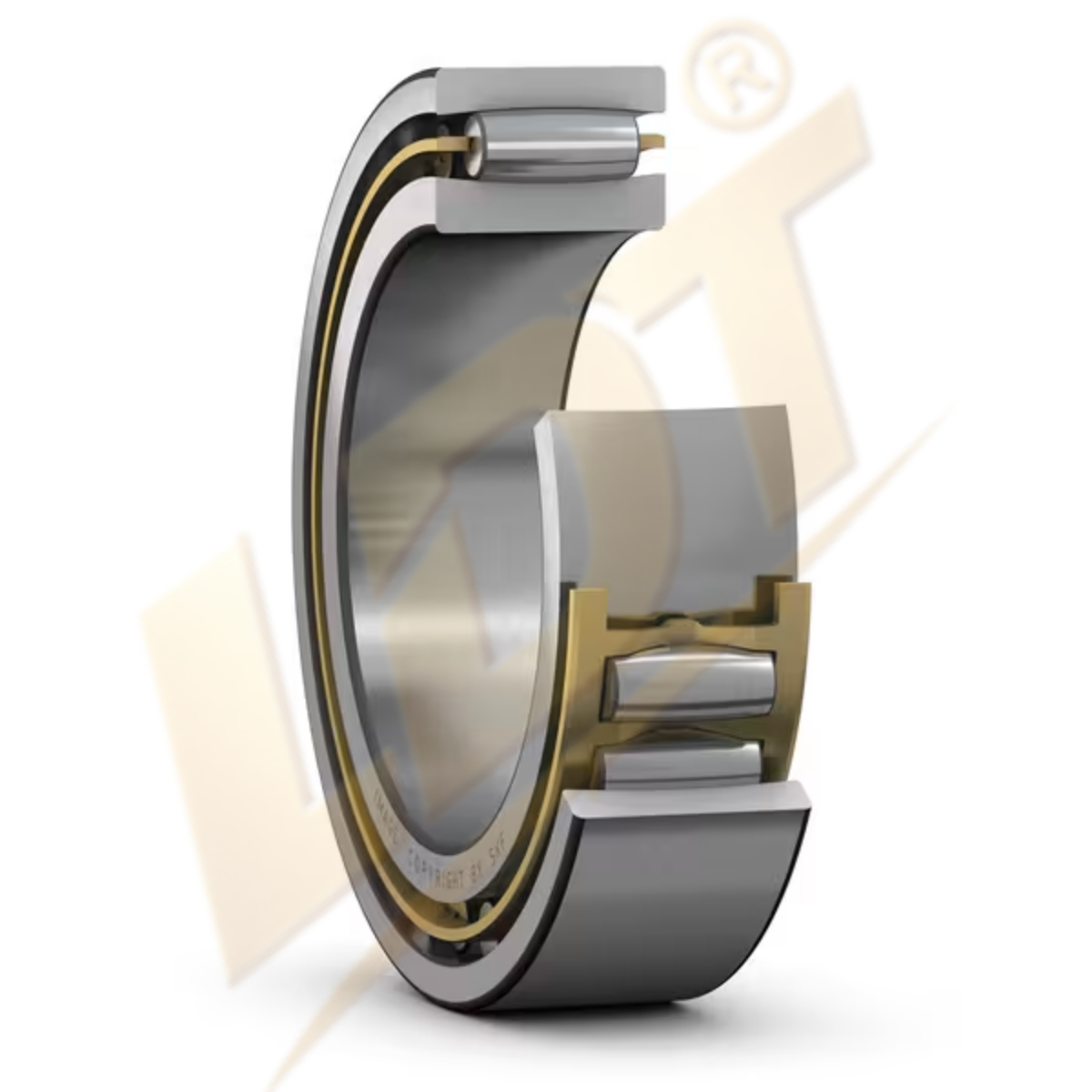
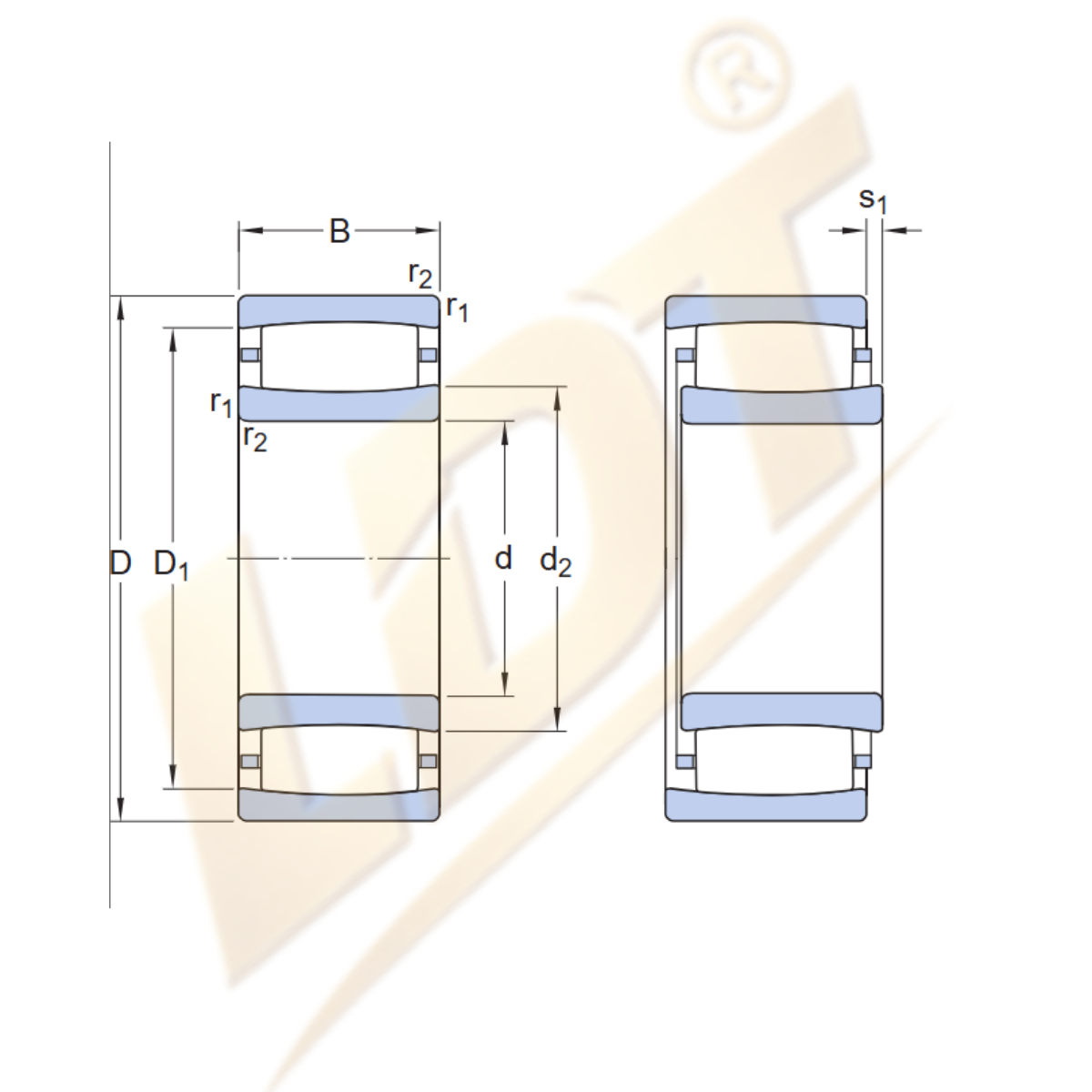
CARB toroidal roller bearing

22 product code

CARB toroidal roller bearing

CARB bearings is a bearing family for rotating machinery. Select the design according to load, speed, alignment and mounting requirements.

Selected code

C 31/670 KMB

Bore diameter - d670 mm
Outside diameter - D1090 mm
Width - B336 mm

LDT will confirm price, stock and delivery time when the request is received.

Detailed technical content

Self-alignment and axial displacement in the same bearing

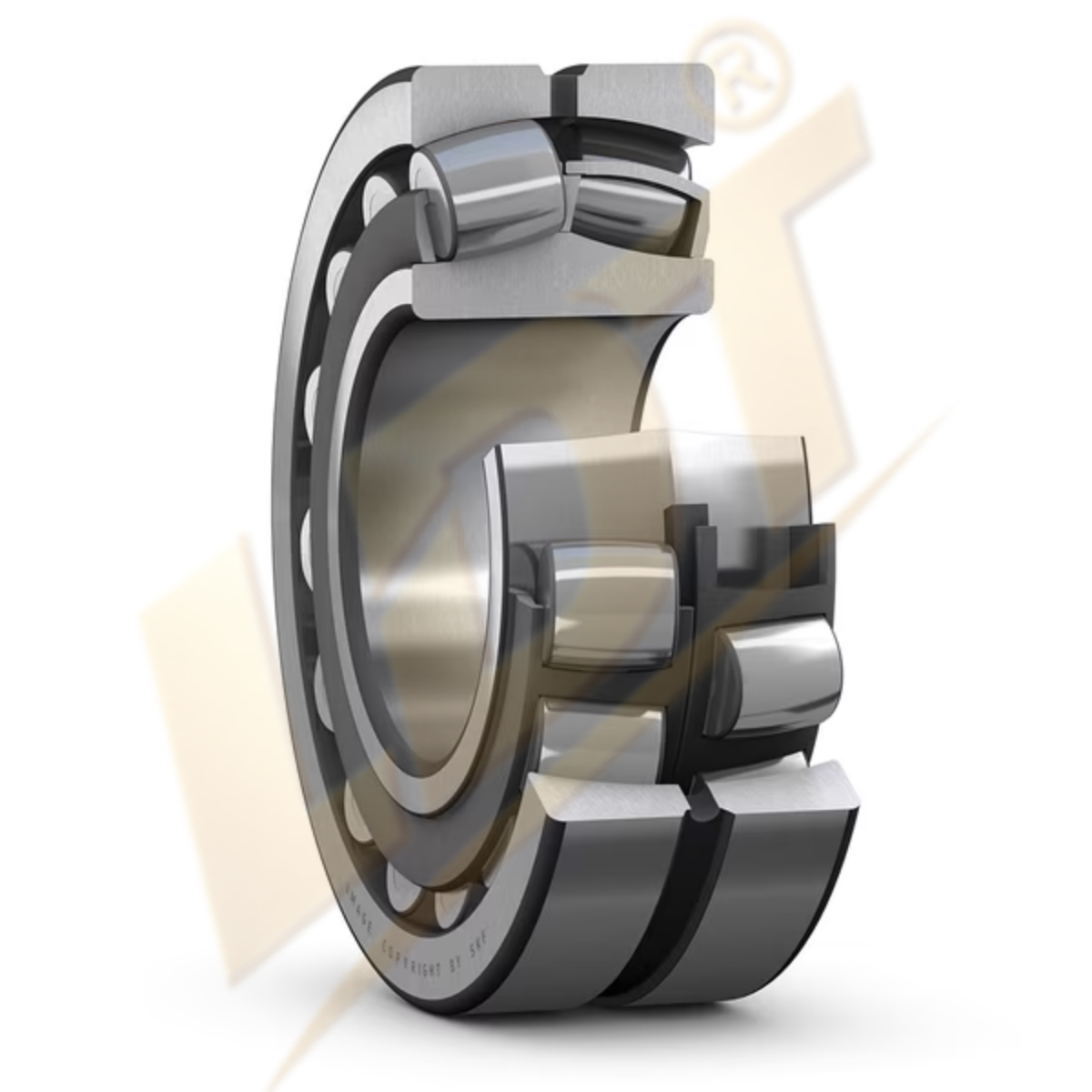
CARB uses a single row of long rollers with a slightly curved profile and toroidal raceways. This geometry allows the bearing both to compensate for angular misalignment and to permit axial displacement of the shaft relative to the housing inside the bearing itself. This differs from a conventional spherical roller bearing in a non-locating position, where axial displacement generally has to occur at the fitted surface of one bearing ring.

CARB was developed by SKF primarily for the non-locating position in a self-aligning bearing system. It carries radial load but is not used to locate the shaft or carry axial load like a locating bearing.

Benefits in shaft systems with thermal expansion

When a long shaft changes length due to temperature, the internal displacement capability prevents additional axial forces from developing because the outer or inner ring is stuck on its fitted surface. At the same time, self-alignment helps maintain better load distribution when deflection or angular misalignment occurs.

When selecting a CARB bearing, check the radial load, misalignment, expected axial displacement, bore type and the bearing’s position in the shaft system. Do not use CARB in a position that must locate the shaft axially unless another bearing performs that function.
FAQ

Frequently asked questions

CARB có chịu tải dọc trục không?

CARB được thiết kế như một ổ không định vị và về chức năng chính chỉ chịu tải hướng kính. Nó cho phép dịch chuyển dọc trục nội bộ nhưng không có nghĩa là dùng để mang tải dọc trục và định vị trục.

CARB khác vòng bi tang trống ở điểm quan trọng nào?

Cả hai đều có khả năng tự lựa và chịu tải hướng kính lớn, nhưng CARB đồng thời cho phép dịch chuyển dọc trục bên trong ổ. Vì vậy CARB đặc biệt phù hợp cho phía không định vị của một trục có giãn nở nhiệt.

Vì sao CARB có thể giảm nguy cơ phát sinh tải dọc trục không mong muốn?

Do chuyển vị dọc trục diễn ra bên trong vòng bi, không cần một vòng ổ trượt trên trục hoặc trong vỏ để bù giãn nở. Điều này giúp hạn chế hiện tượng kẹt trượt và lực dọc trục phụ khi bề mặt lắp có độ dôi phù hợp.

Có thể dùng hai vòng CARB ở hai đầu trục không?

Thông thường hệ trục vẫn cần ít nhất một vị trí định vị để kiểm soát vị trí dọc trục. CARB chủ yếu đảm nhiệm vị trí không định vị, nên một bố trí cụm ổ hoàn chỉnh thường kết hợp CARB với một vòng bi có khả năng định vị trục.

News about Bearings