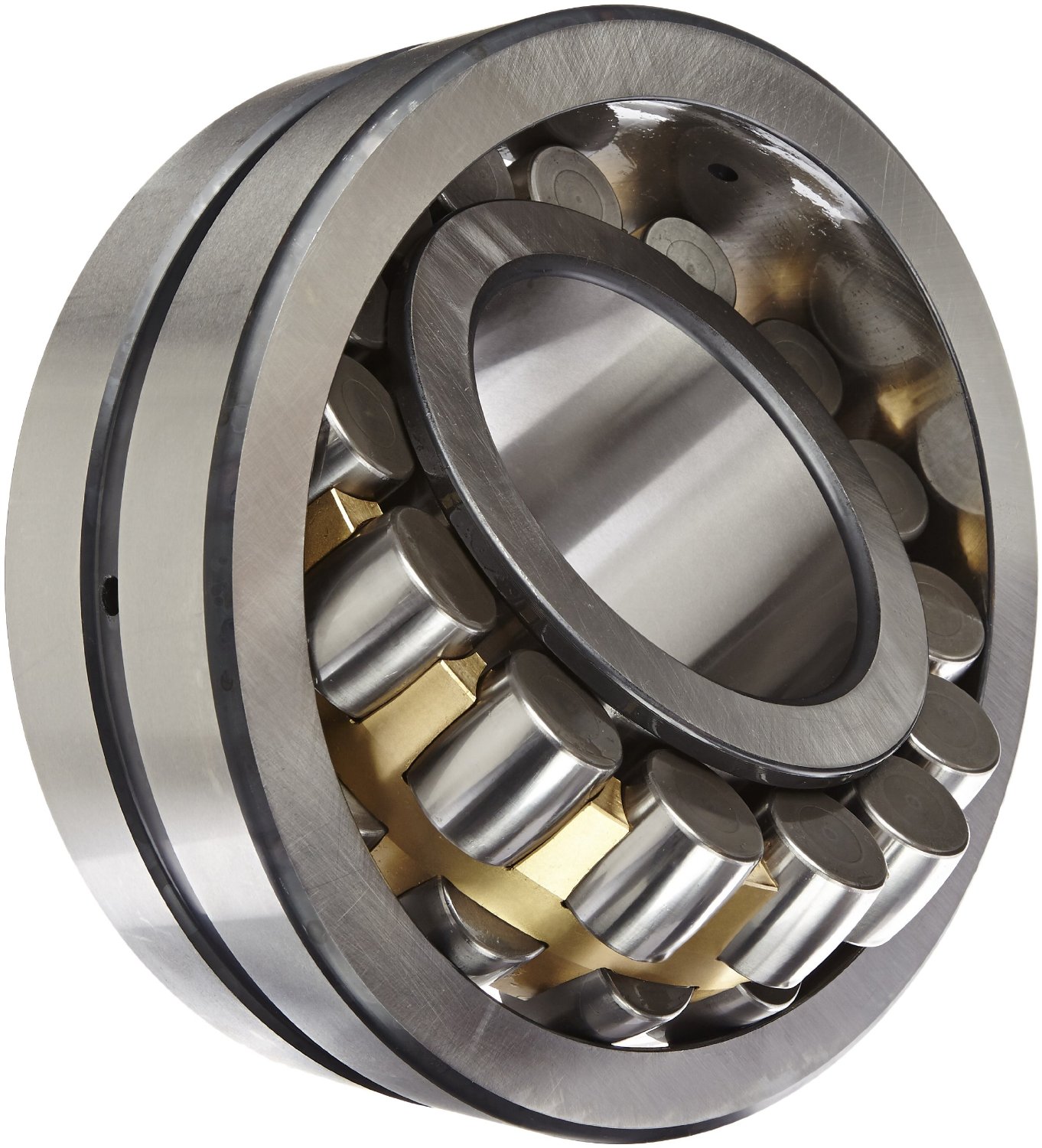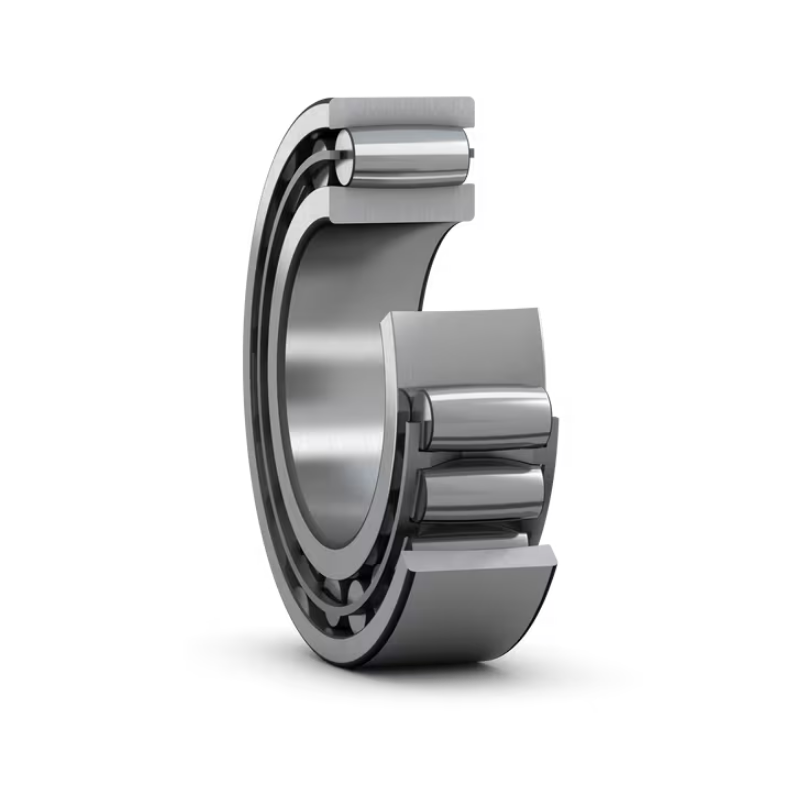
Four-point contact bearings

52 product code

Four-point contact bearings

Four-point contact bearings is a bearing family for rotating machinery. Select the design according to load, speed, alignment and mounting requirements.

Loading product code list…

Selected code

QJ 209 MA

Bore diameter - d45 mm
Outside diameter - D85 mm
Width - B19 mm
Mass0.509 kg

LDT will confirm price, stock and delivery time when the request is received.

Detailed technical content

Designed primarily for axial function

Four-point contact ball bearings commonly have an inner ring split into two halves, allowing more balls to be arranged in a compact cross-section. The raceway design creates contact points through which axial loads can be transmitted in both directions. One bearing can therefore perform a function that, in some arrangements, would require two single-row angular contact ball bearings.

However, this is not a bearing intended to prioritize high radial loads. SKF notes that axial load should be the dominant component in typical arrangements. In many gearboxes, a four-point contact bearing is paired with a separate radial-load bearing, such as a cylindrical roller bearing.

Mounting and locating the outer ring

Because the inner ring is separable, the two inner-ring halves must be clamped axially in the machine assembly correctly. In arrangements where the four-point bearing carries axial load only, the outer ring must have suitable conditions so that it is not forced to carry an unintended radial load. Some designations have a locating groove on the outer ring to prevent the outer ring from rotating.

When replacing a designation, check the QJ product series, axial clearance, cage, locating groove and the manufacturer’s mounting requirements.

FAQ

Frequently asked questions

Can a four-point contact ball bearing replace two single-row angular contact ball bearings?

In some arrangements dominated by axial load, one four-point contact bearing can perform a function similar to two single-row bearings while saving considerable axial space. Replacement must still be evaluated from the radial and axial loads, rigidity, speed and outer-ring location in the machine.

Should a four-point contact bearing carry the main radial load?

It should not be the preferred choice for a large primary radial load. The four-point design performs best when axial load is dominant. In many applications, another bearing in the shaft system carries the radial load.

Why is the inner ring commonly split into two halves?

The split inner ring permits a larger number of balls within a high-contact-angle geometry, increasing axial-load capacity in a compact section. During assembly, both inner-ring halves must be located axially as specified by the design.

News about Bearings