Detailed technical content
Progressive operation creates a continuous distribution sequence
In a progressive divider, the pistons operate in sequence. The movement of one piston enables the next piston to complete its stroke, so measured quantities of lubricant are distributed to each outlet in turn during a defined cycle.
This characteristic makes system monitoring easier: by correctly monitoring a piston or divider cycle, an interruption in distribution can be detected. However, the cycle signal is meaningful only when all piping and lubrication points are installed correctly and are not blocked.
Monoblock and segmented divider designs
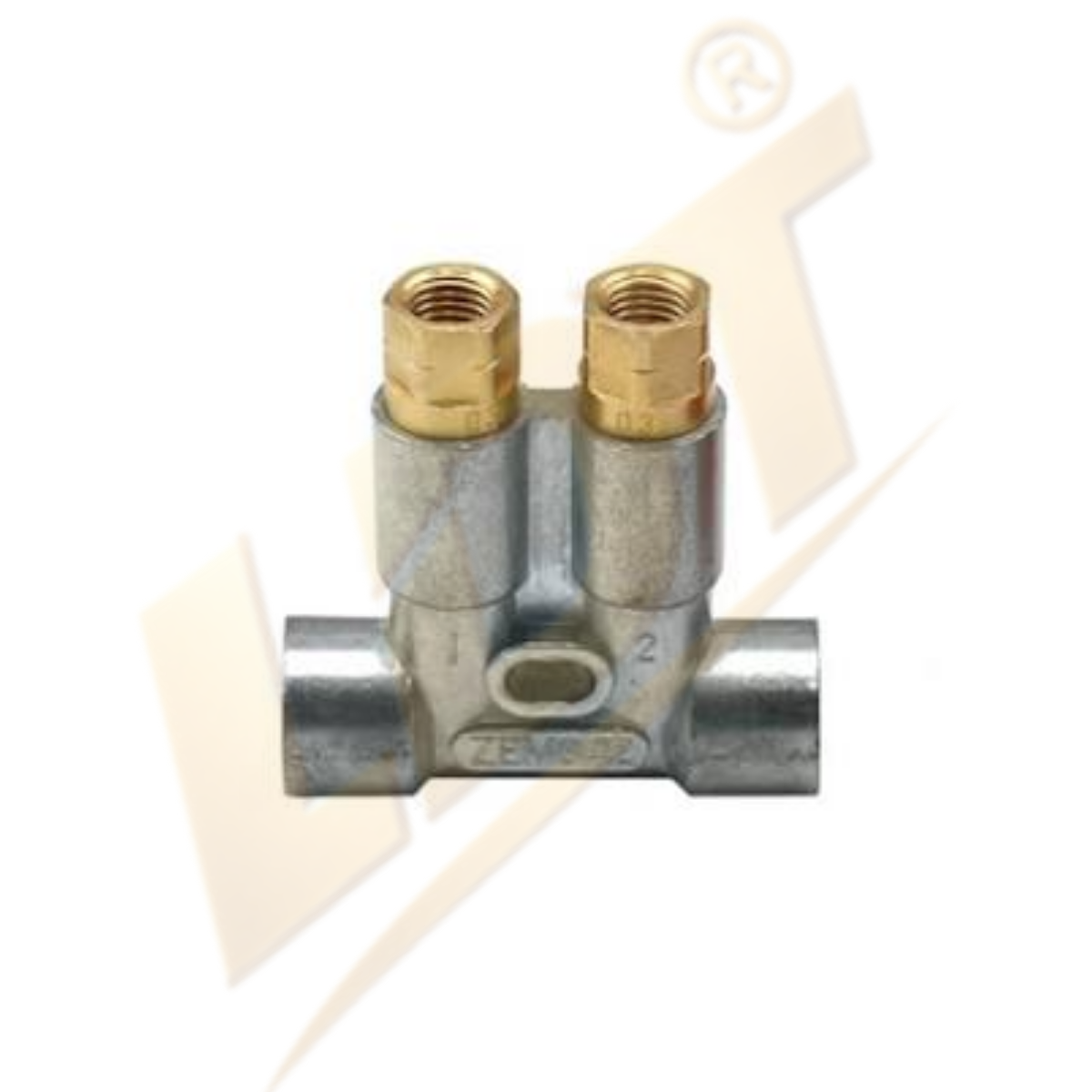
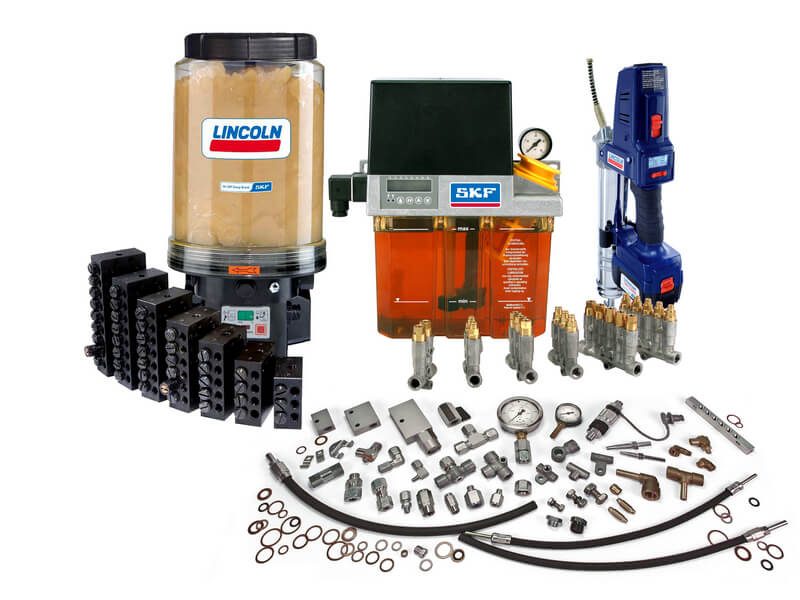
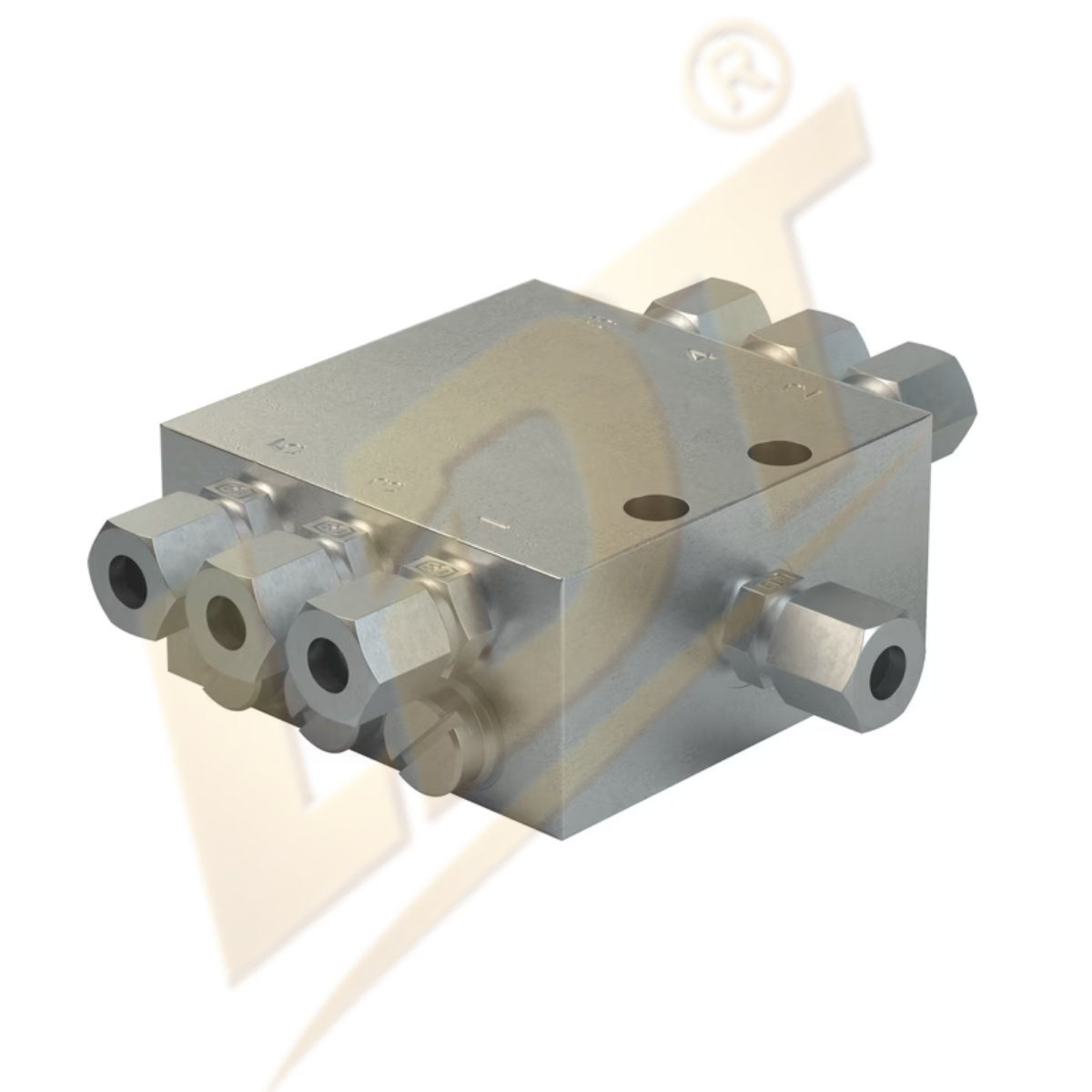
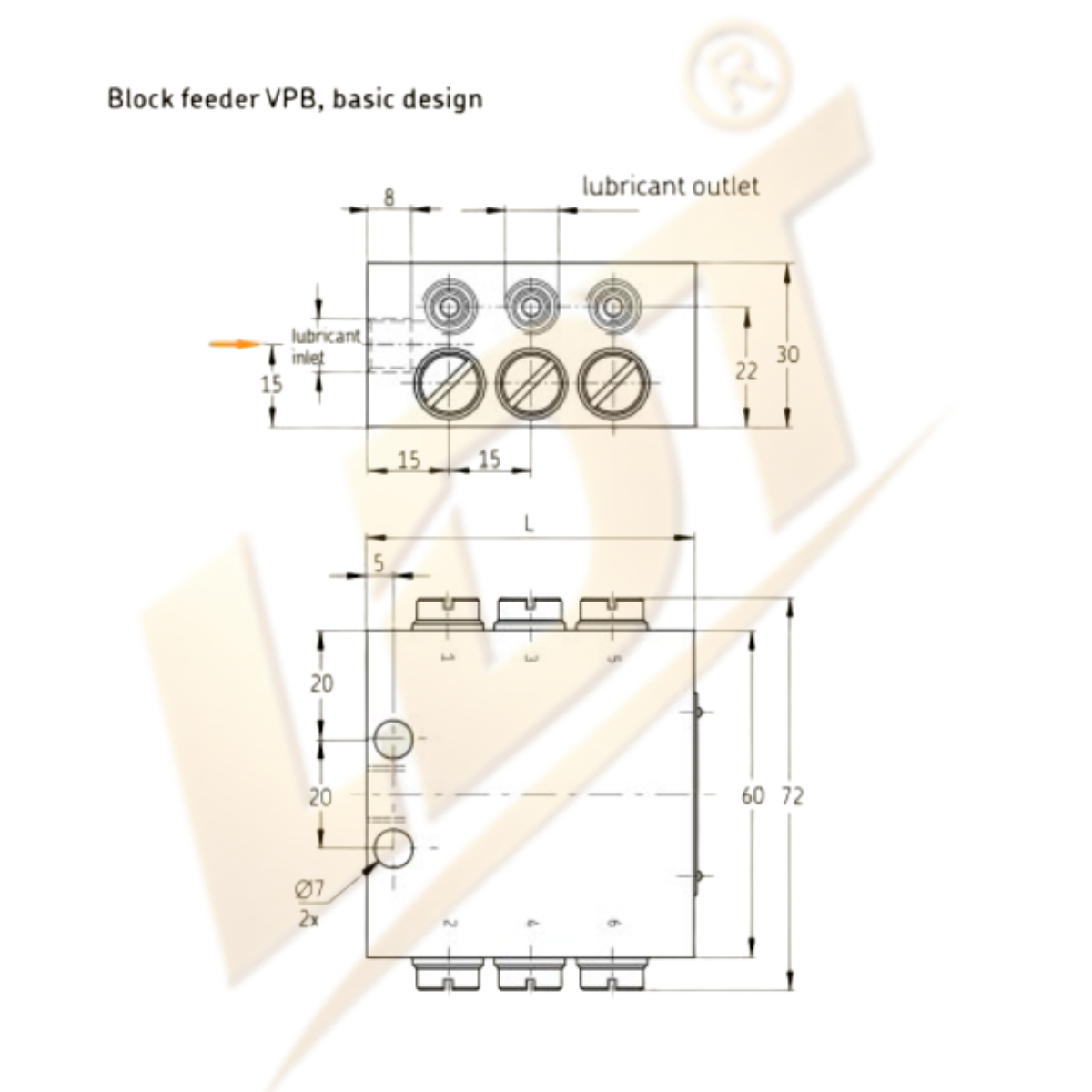
The VP/VPK series uses a multi-segment construction, allowing the number of segments and delivered quantity for each branch to be selected. PSG also has a modular configuration with several monitoring options. Monoblock designs such as VPB are more compact, but their degree of reconfiguration after product selection may differ from segmented designs.
When selecting a divider, determine the number of lubrication points, quantity delivered to each point, thread system, pressure, grease type and monitoring requirements. Counting the outlets alone is not sufficient.
Combine or close outlets only according to the instructions
On some progressive dividers, two opposite outlets can be combined to increase delivery to one point. Closing or combining the wrong outlets can alter the internal lubricant path or obstruct the piston cycle. Therefore, any configuration change must follow the diagram for the exact product series.