
Detailed technical content
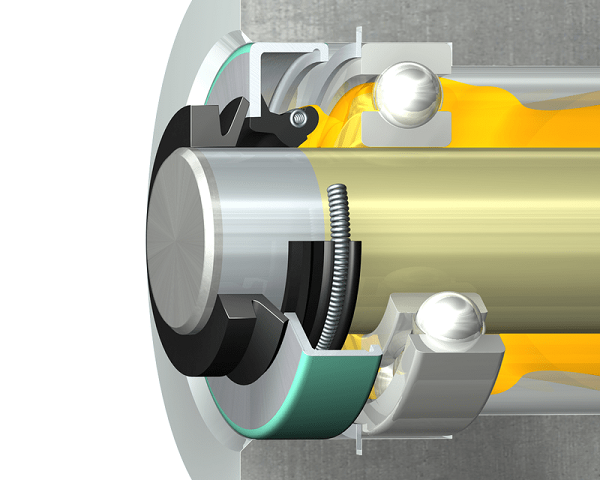
A rotary shaft seal seals in two different areas at the same time
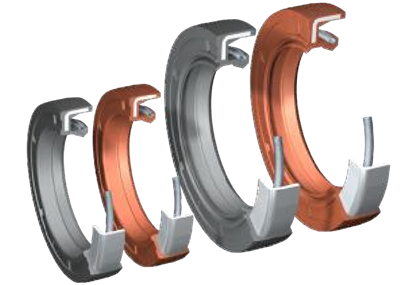
In a typical rotary shaft seal, the outside diameter forms a static seal with the housing bore, while the sealing lip forms a dynamic seal on the shaft surface. SKF describes a radial shaft seal as having an outer casing that provides an interference fit in the bearing housing and a sealing lip that contacts the shaft; many designs also have a garter spring to maintain lip load and an auxiliary lip to exclude dust.
Therefore, when replacing a seal, the three dimensions shaft diameter d, housing bore diameter D and width B are only the starting point. Also check the profile, number of lips, presence or absence of a spring, outside-diameter design, lip material and sealing direction.
Different profiles serve different sealing requirements
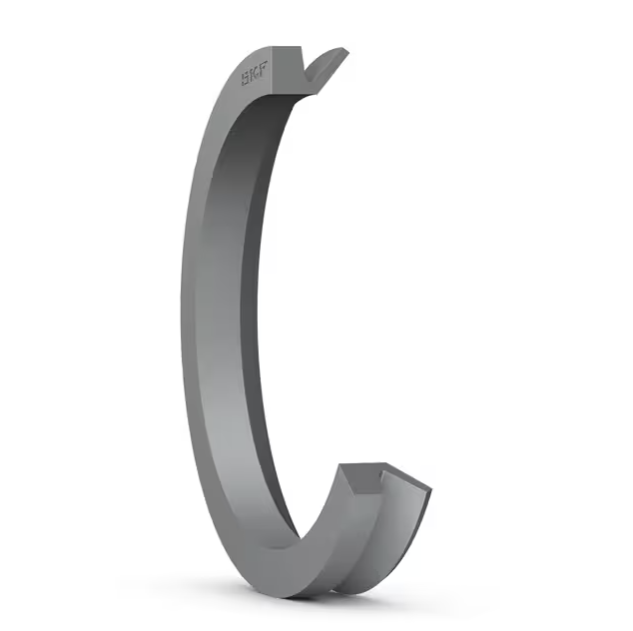
The current catalog includes many profiles such as EC, HDS1, HDS2, HMS, MHS, MS, SA, SB, SC, TA, TB, TC, TCN and TG4. Do not assume that these codes have one consistent meaning across all manufacturers. DEDE shows that even within its standard seal group, TA and TB differ in casing/frame construction although both have a primary lip, auxiliary lip and spring.
When seeking an equivalent designation across brands, therefore compare the profile cross-section drawing and profile function, not only the three basic dimensions or suffix name.
The shaft surface and operating conditions determine service life
The contact area between the lip and shaft is the most important functional area. A shaft surface with a wear groove, scratch, corrosion or burr can cause a new seal to leak immediately after replacement. SKF also notes that temperature, speed, medium, pressure differential, eccentricity and contamination all affect sealing performance.
In applications with heavy dust or contaminants, a profile with an auxiliary lip can provide additional exclusion. However, adding another contact lip also increases friction and heat, so more lips are not always better in every situation.
The material must suit the medium and temperature
NBR, FKM and other materials have different operating ranges and compatibility. If an old seal failed because of heat or chemicals, replacing it with a seal of the same size and the same old material may repeat the failure. Any change of material must be based on the manufacturer’s specifications and actual operating conditions.