C2

2 product code

C2

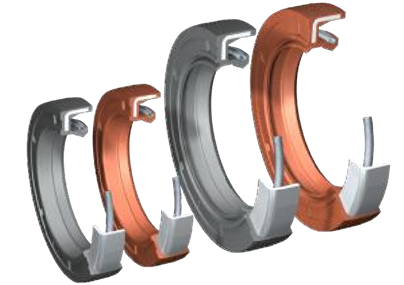
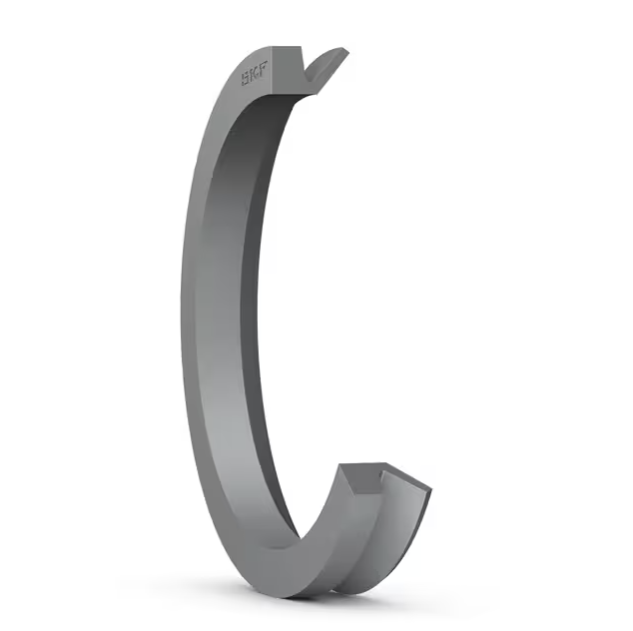
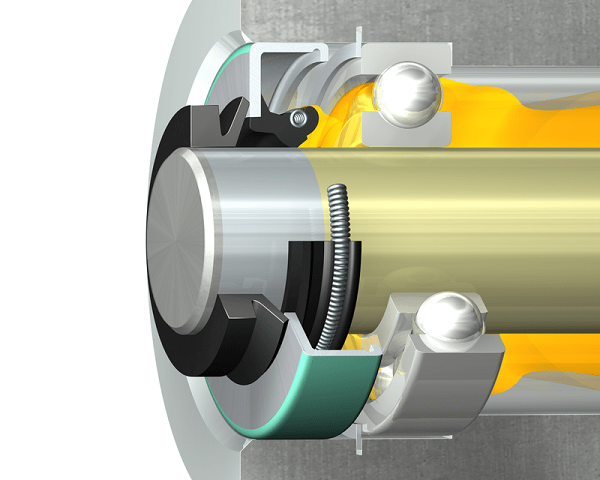
C2 is a sealing component for controlling lubricant leakage and limiting contamination at the mounting position. Confirm size, material and operating conditions before selection.

Loading product code list…

Detailed technical content

First identify where the seal operates

Sealing elements perform different duties in a hydraulic cylinder. A seal operating between the piston and cylinder bore does not face the same conditions as a seal on the piston rod. SKF clearly distinguishes rod sealing systems, piston sealing systems, buffer seals and wiper seals; each position has its own requirements for pressure direction, friction, clearance and oil film.

Therefore, when replacing a UN or C2 seal, do not consider only the three basic dimensions. Determine whether the seal is installed on the piston, rod or another position in the assembly, the direction of applied pressure and the profile of the old seal.

Material and profile must suit the pressure, temperature and medium

DEDE lists UN in its PU seal group and supplies many sizes by inside diameter, outside diameter and width. Polyurethane offers advantages in mechanical properties, wear resistance and pressure resistance, but every material has limits for temperature and compatibility with hydraulic fluids.

For C2, the current source confirms only that it falls within the hydraulic-seal category and does not provide enough basis to assign one specific construction to every C2 seal. When selecting C2, therefore prioritize the exact designation/profile, material and manufacturer’s documentation rather than inferring from the group name.

Clearance, surfaces and installation directly affect service life

Hydraulic seals operate under pressure, so the clearance between components, surface finish and resistance to material extrusion are all important. A scratched surface, sharp edge or excessive clearance can cut or wear the seal, or extrude it through the gap, even when its dimensions are completely correct.

FAQ

Frequently asked questions

Can two hydraulic seals with the same d × D × B dimensions be directly interchanged?

No. Seals with the same dimensions may have different profiles, materials, sealing directions and installation positions. A piston seal cannot automatically replace a rod seal, and different profiles may require different grooves. Compare the original designation, cross-sectional shape, material and cylinder position.

Can UN and C2 profiles be interchanged when their dimensions match?

Do not assume so. The catalogue identifies them as different hydraulic-seal profiles. Current official sources provide sufficient detail for UN but not the complete specific construction of C2, so interchangeability must be based on drawings, profile, material and machine requirements, not only d × D × B.

Is a polyurethane seal always better than a rubber or PTFE seal?

No. PU offers good mechanical properties, wear resistance and pressure capability in many applications, but material selection also depends on fluid, temperature, speed, friction and system design. Every material has advantages and limitations; do not change material without checking the actual operating conditions.

Why can a cylinder continue leaking after the correct new seal has been fitted?

Also inspect the rod or piston surface, cylinder bore, guide clearance, groove, burrs and installation method. A scratched surface or excessively worn guide ring can quickly damage a new seal. Repeated leakage usually indicates that the complete sealing and guidance system must be checked.

News about Industrial seals