
Detailed technical content
Key checks when selecting spherical roller bearings
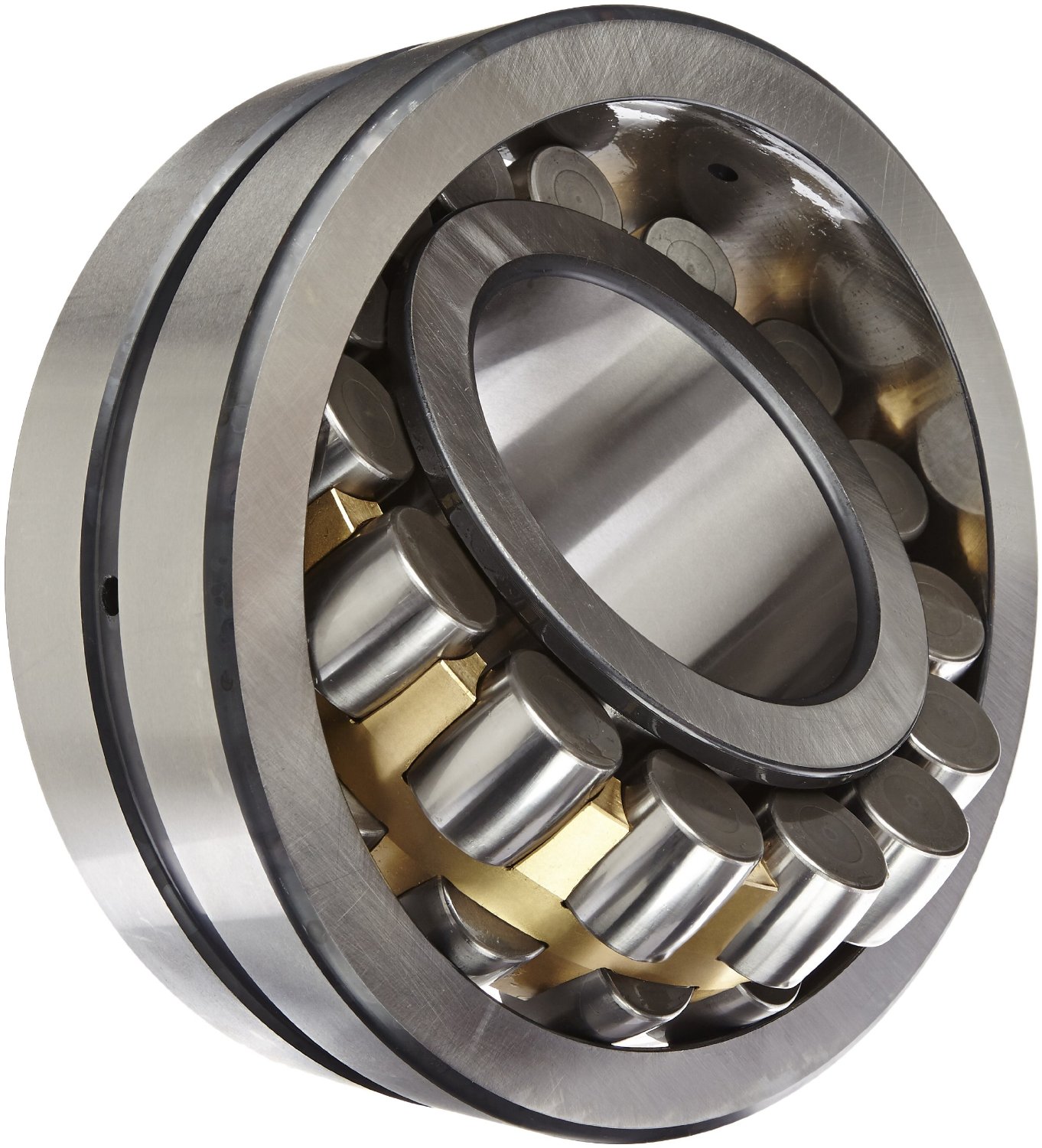
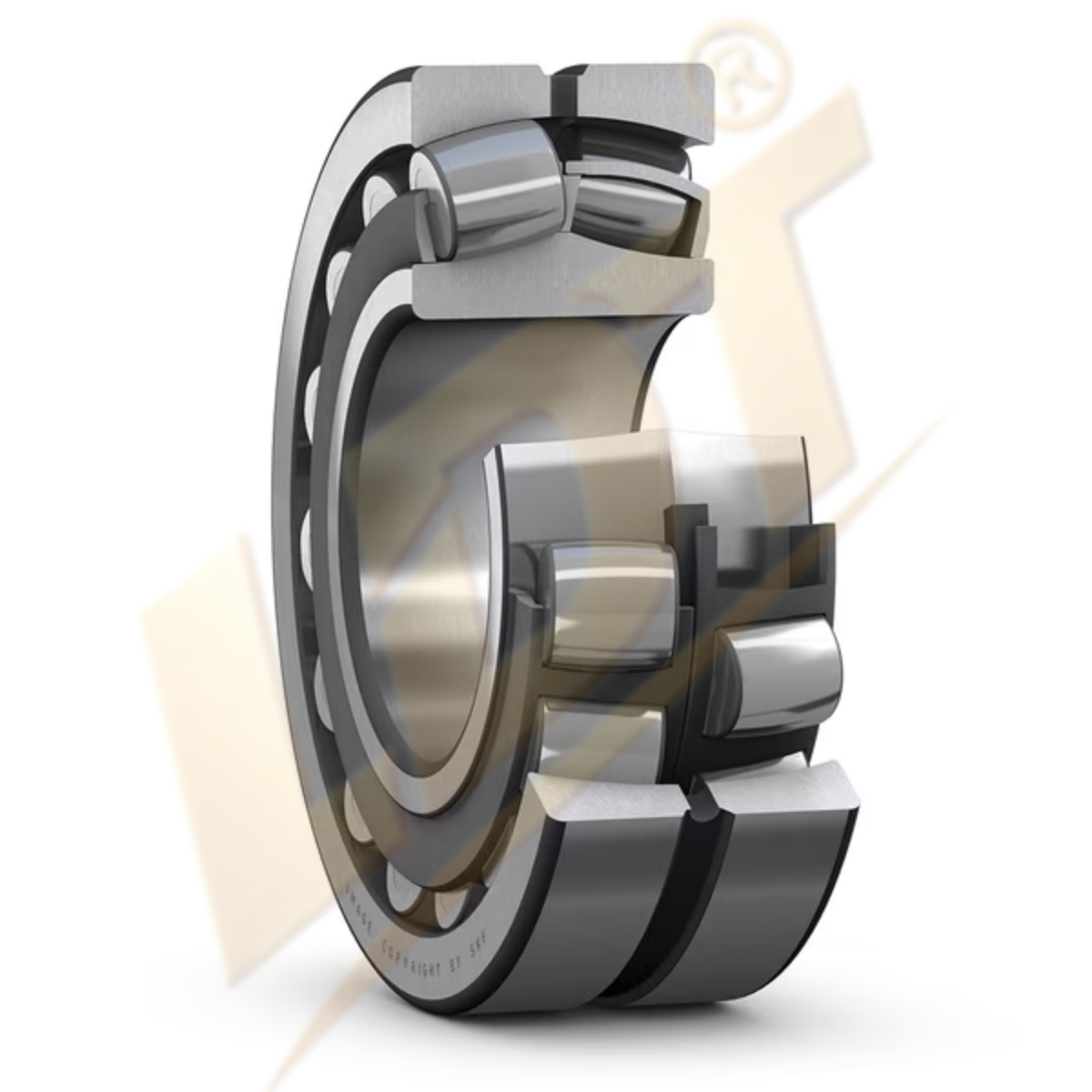
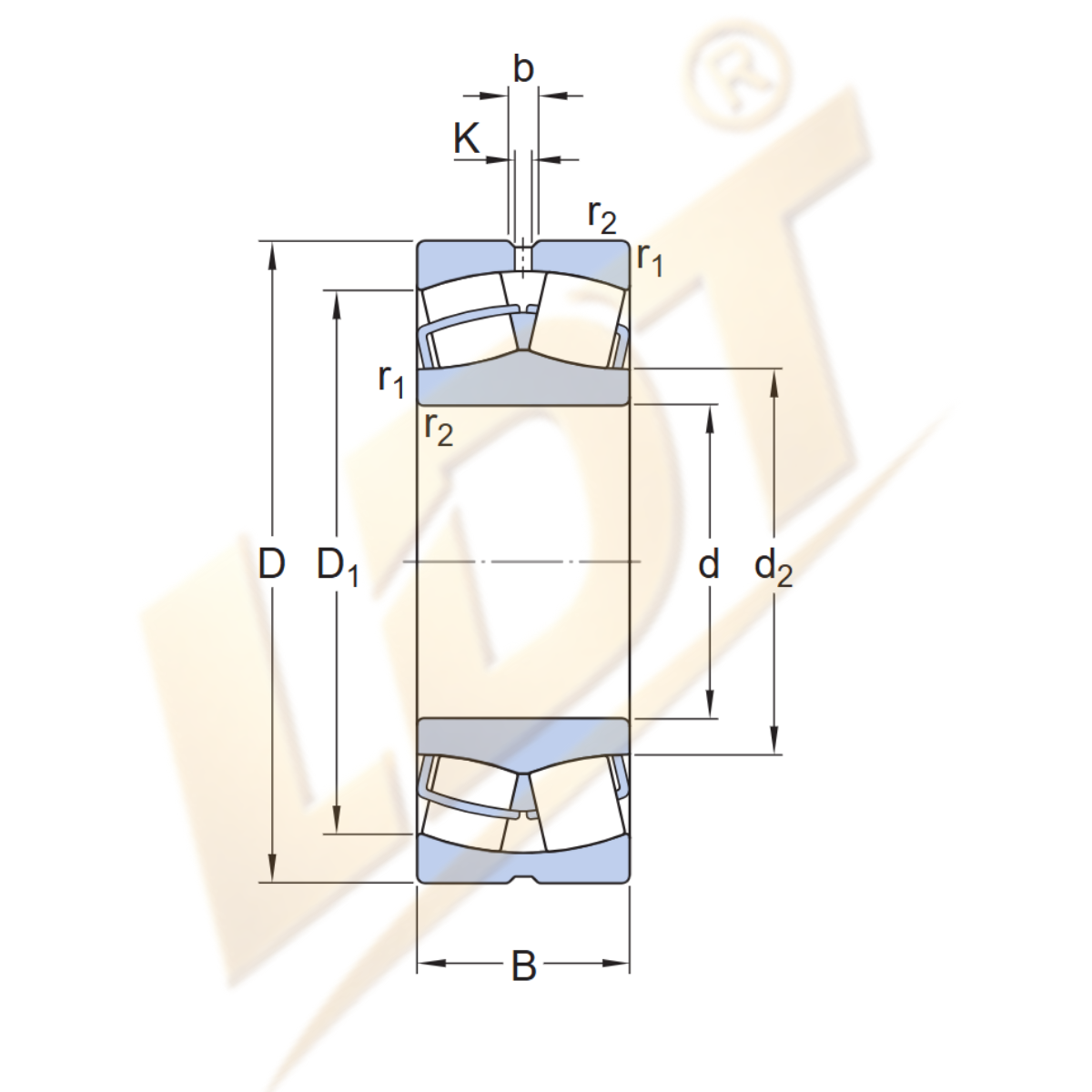
Beyond mounting dimensions, spherical roller bearings have many variants in product range, bore type, internal clearance, internal design, cage and lubrication configuration. Two designations with the same bore diameter, outside diameter and width may not be directly interchangeable if these characteristics differ.
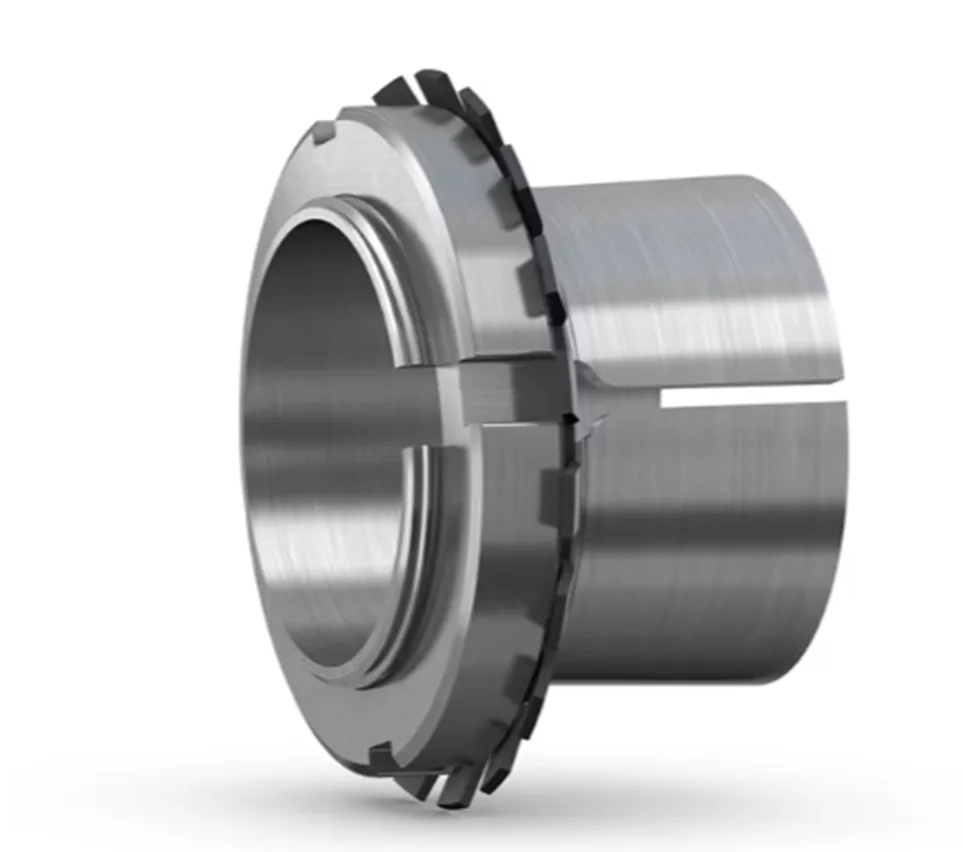
Bearings may have a cylindrical bore or a tapered bore. Tapered-bore types are commonly mounted directly on a tapered shaft or through an adapter sleeve on a cylindrical shaft. When mounting a tapered-bore bearing, axial displacement and the reduction in internal clearance must be controlled according to the manufacturer’s instructions; driving the bearing too far onto the seat can make the installed clearance smaller than required.
Clearance and internal design
Clearance classes such as C2, Normal, C3, C4 and C5 represent different levels of internal clearance. C3 does not mean “better” than Normal; the choice must consider the fit interference, temperature, speed and actual load conditions. After mounting, operating clearance may change from the unmounted condition.
Suffixes such as CA, CC and E are often related to internal design, but their definitions should not be assumed to be identical across all manufacturers. When changing brand or looking for an equivalent designation, consult the technical documentation of the actual manufacturer.
Lubrication and operating conditions
Some designations support relubrication, for example with a groove and lubricant holes in the outer ring. For heavily loaded equipment operating continuously, subject to vibration or exposed to contamination, selecting a suitable sealing and lubrication arrangement has a major effect on the reliability of the bearing assembly.
When selecting the final designation, check dynamic/static load ratings, limiting speed, bore type, clearance, internal design and mounting requirements together rather than choosing only by appearance or the three basic dimensions.