Detailed technical content
Locating function depends on flange design
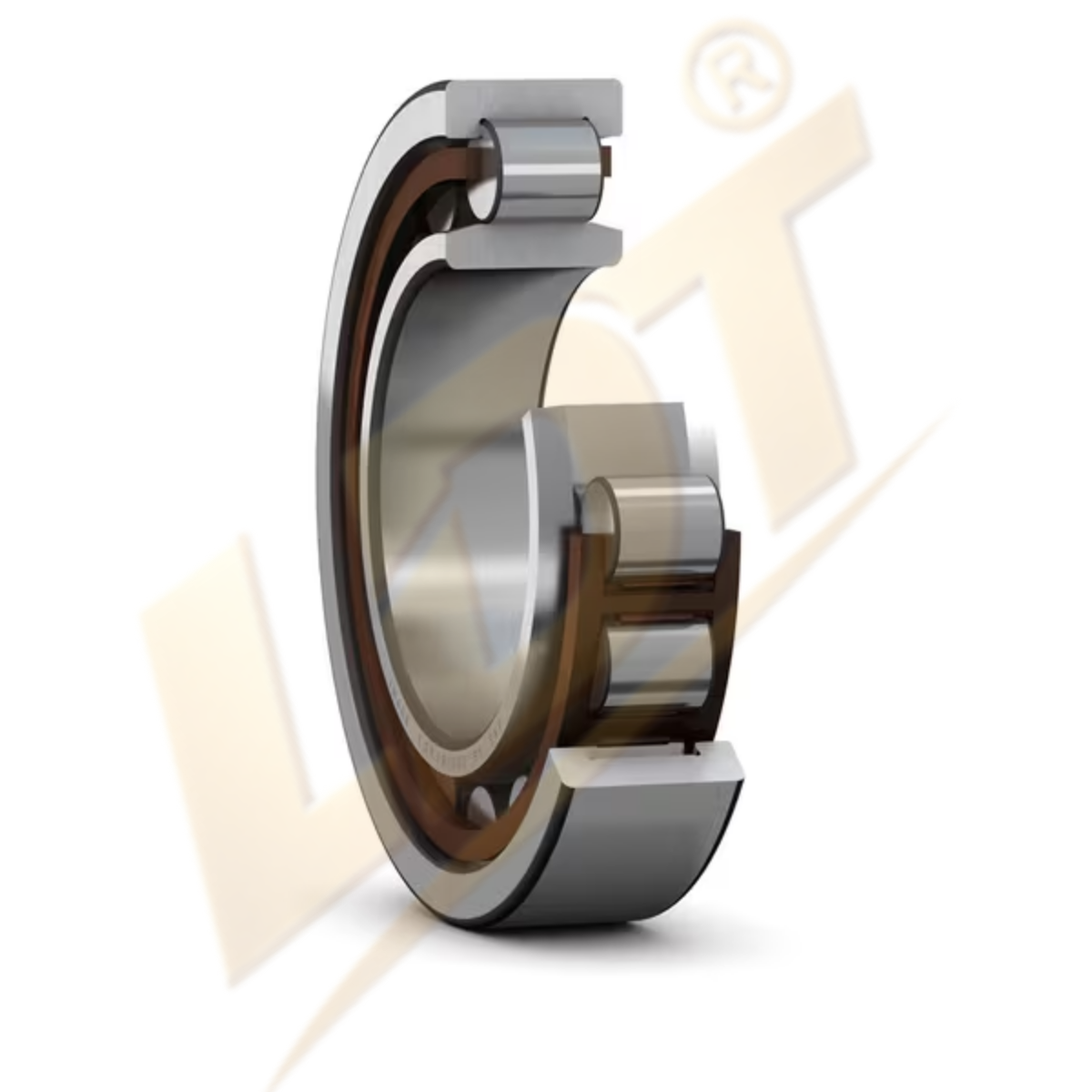
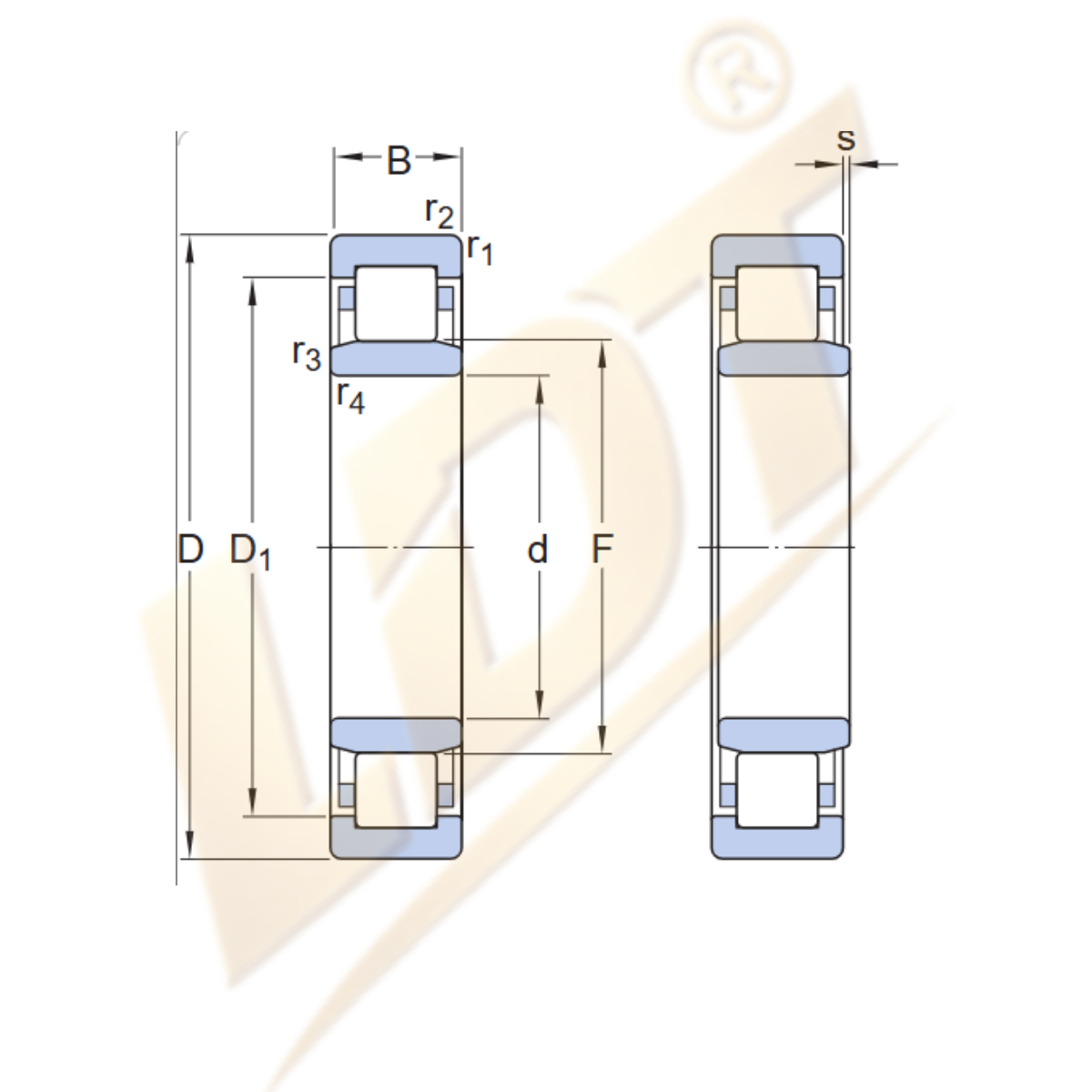
An important characteristic of cylindrical roller bearings is that their axial function varies with the design. NU and N designs allow one ring to move axially relative to the other within the bearing, so they are commonly suitable for a non-locating position when the shaft must accommodate thermal expansion. Designs with flanges such as NJ or NUP can also provide axial locating in one or both directions within their design limits.
Caged or full-complement rollers
A caged bearing spaces the rollers apart and is better suited to applications requiring high speed and controlled friction. A full-complement design uses more rollers, increasing radial load capacity, but normally sacrifices limiting speed and increases friction compared with a caged design.
Four-row series are used where very high radial load capacity and rigidity are required, typically in certain rolling equipment or heavily loaded shaft assemblies. Selection must clearly identify the bearing’s function in the shaft system, load, speed and axial-displacement requirement.
Installation and replacement
Many cylindrical roller bearings are separable, allowing each ring to be mounted independently when an interference fit is required on both the shaft and housing. However, identical dimensions do not mean identical function: changing from NU to NJ/NUP, or from a caged to a full-complement design, can change the locating capability and operating conditions of the complete assembly.