Detailed technical content
Contact angle and axial load
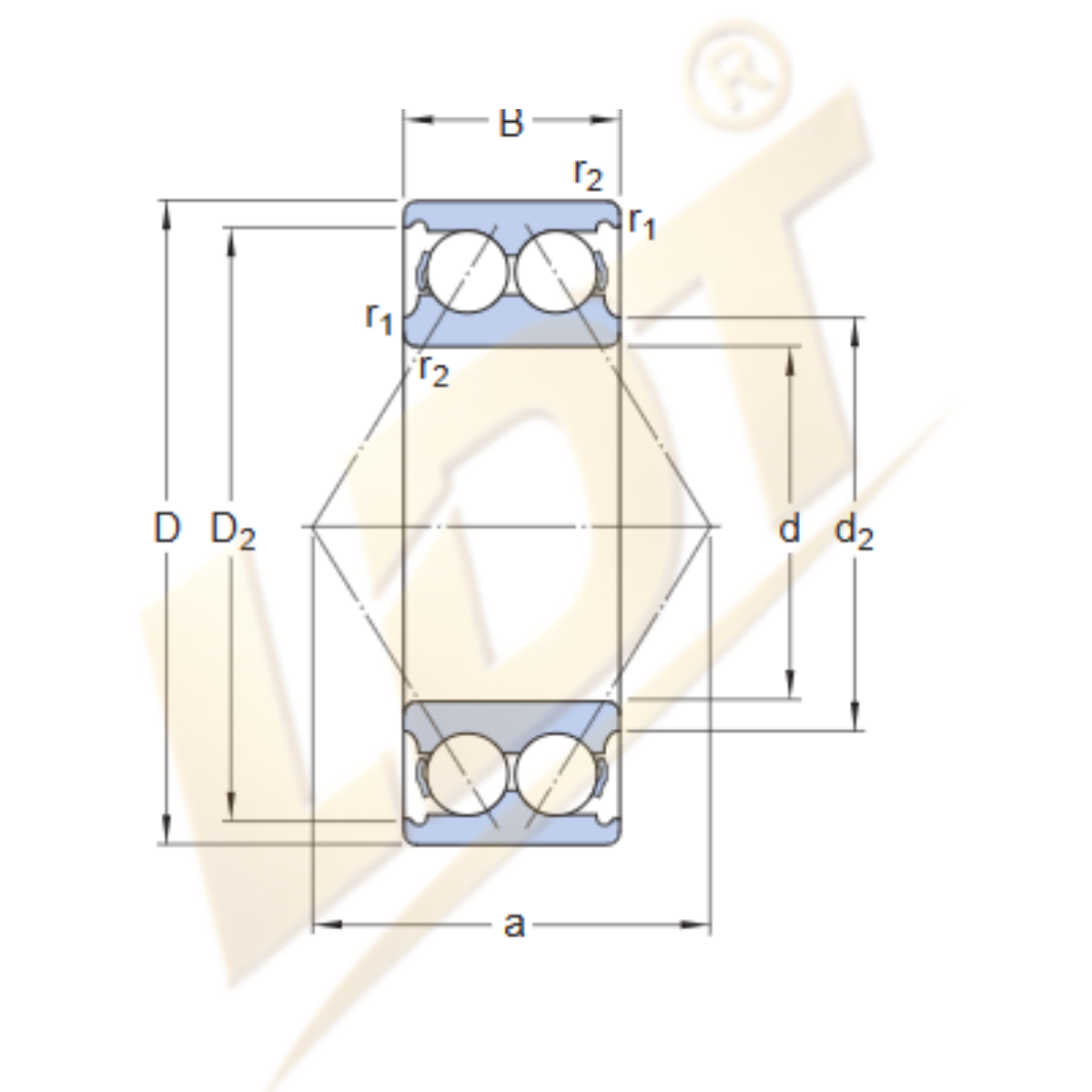
Contact angle directly affects axial load capacity: a larger angle generally provides higher axial load capacity, while a speed-optimized design may use a smaller angle. Therefore, when selecting a designation, do not look only at dimensions and product series.
Single-row bearings and matched sets
Single-row bearings are often matched into sets when axial load must be carried in both directions or greater rigidity is needed. The three common arrangements are back-to-back, face-to-face and tandem. Back-to-back provides good rigidity and high resistance to tilting moments; face-to-face is less rigid but accommodates misalignment better; tandem is used when a high axial load must be divided in one direction.
Set clearance or preload is important for service life and stability. Excessive preload increases heat and stress, while excessive clearance can reduce rigidity and worsen the contact conditions.
Double-row type
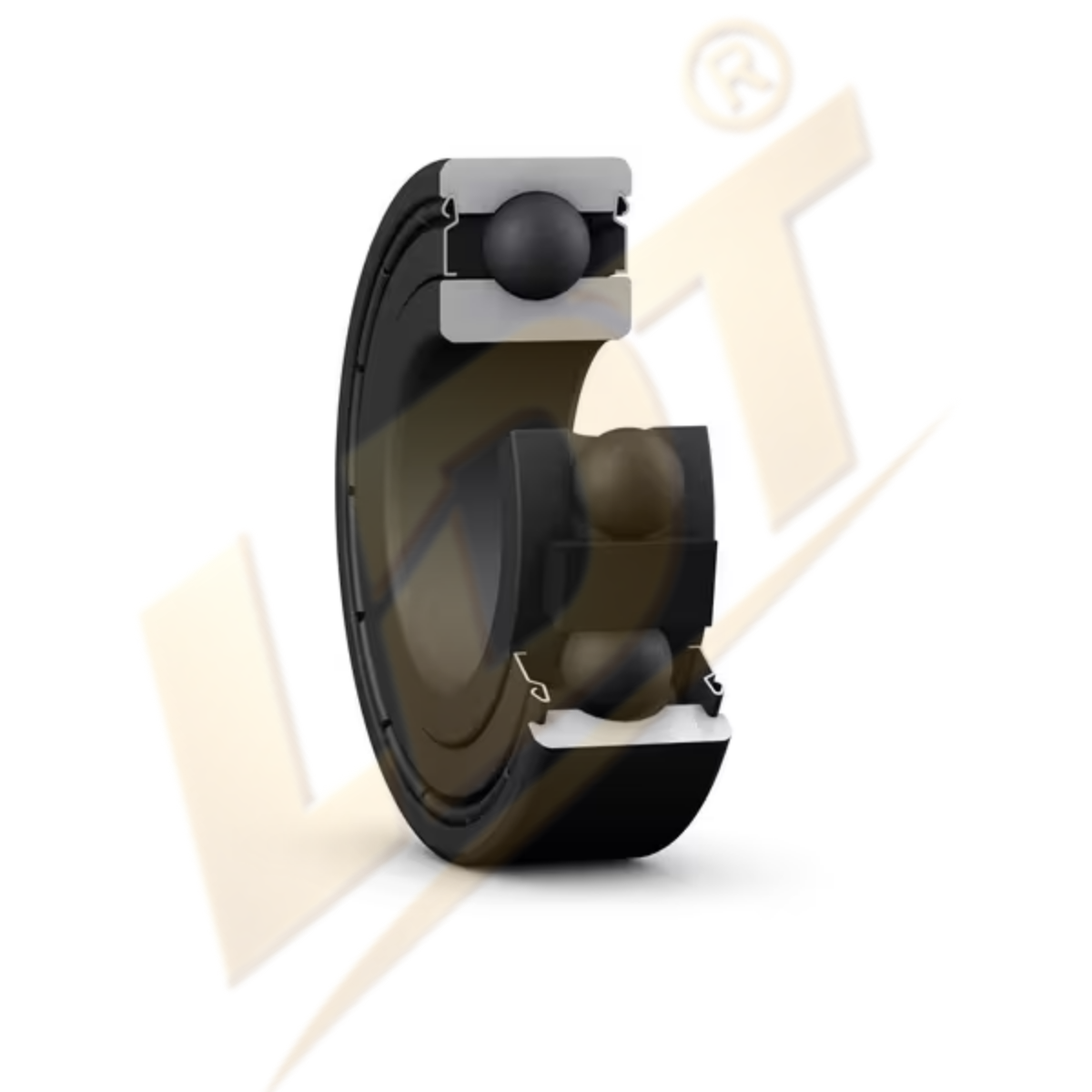
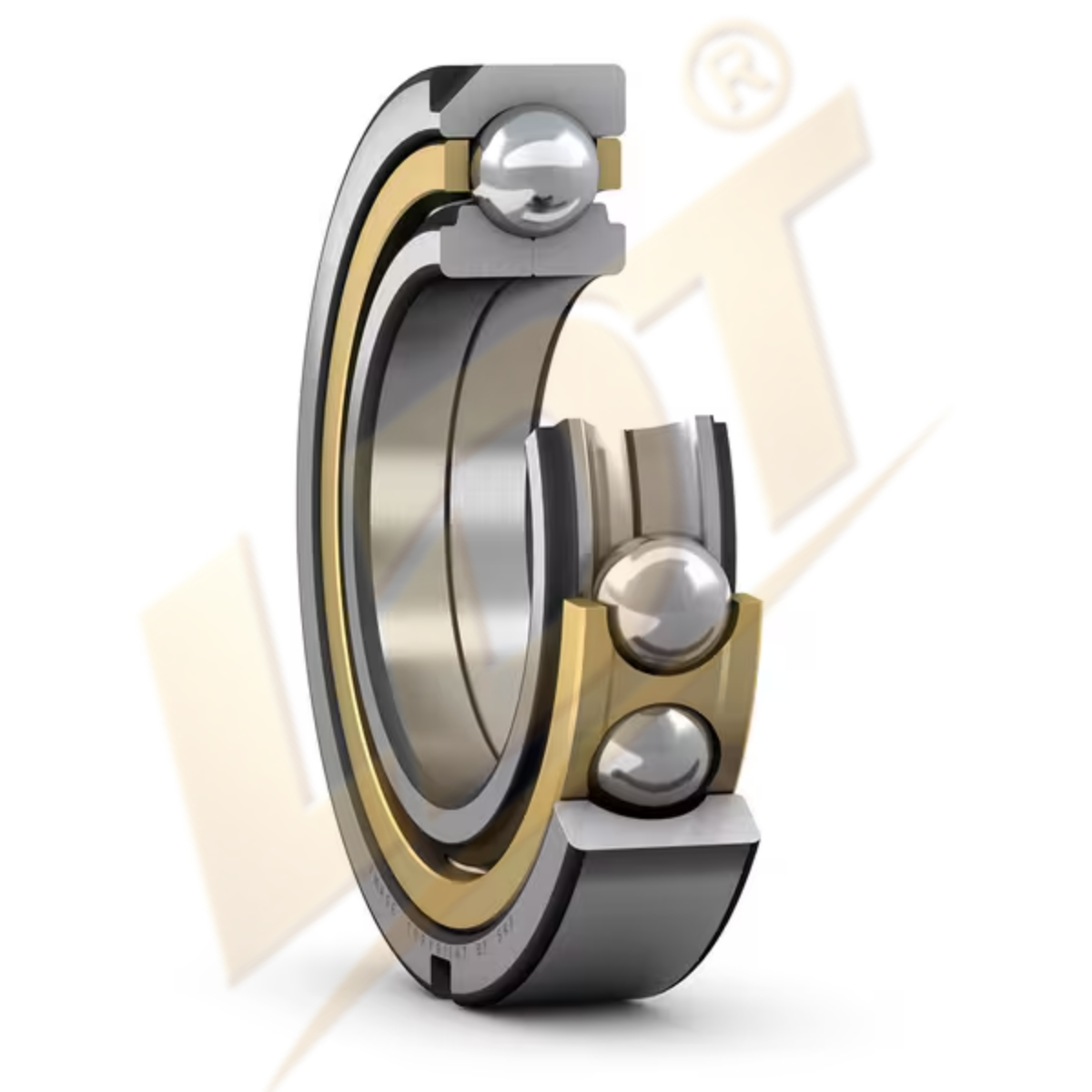
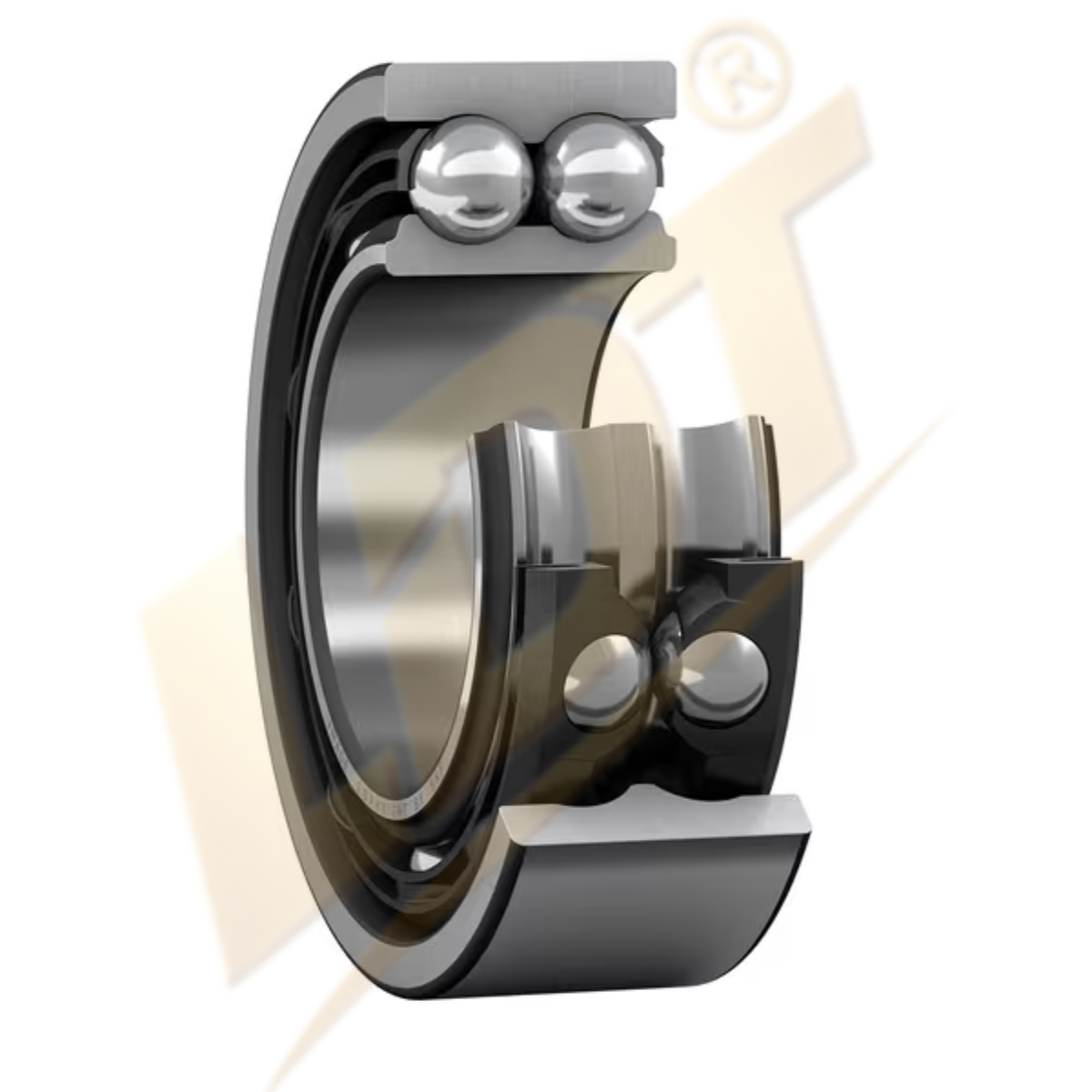
In function, a double-row angular contact ball bearing is similar to a pair of single-row bearings arranged back-to-back, but occupies less axial space. When replacing one, still check the load, contact angle, clearance and sealing configuration of the exact designation.