Detailed technical content
Outside surface and operation in a housing
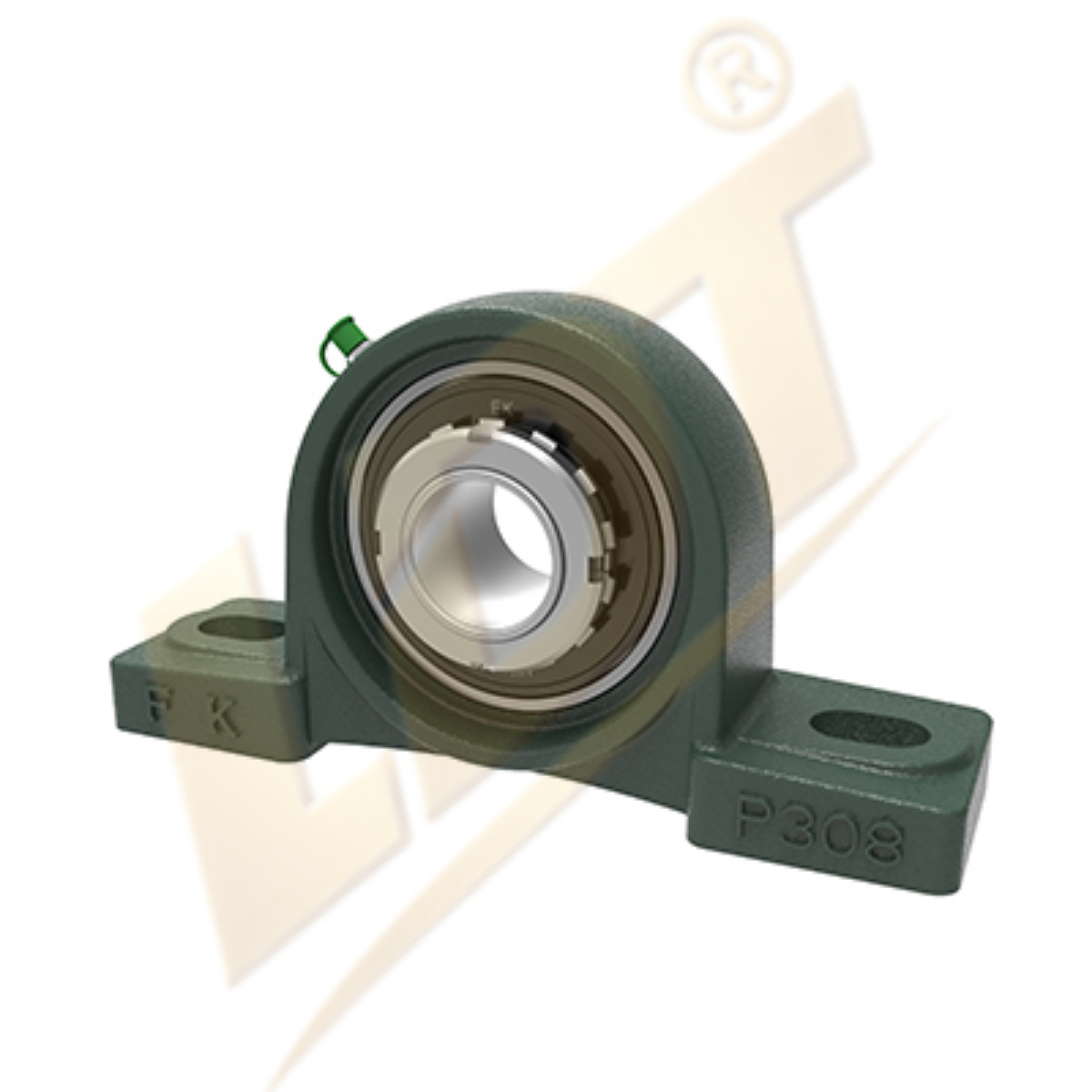
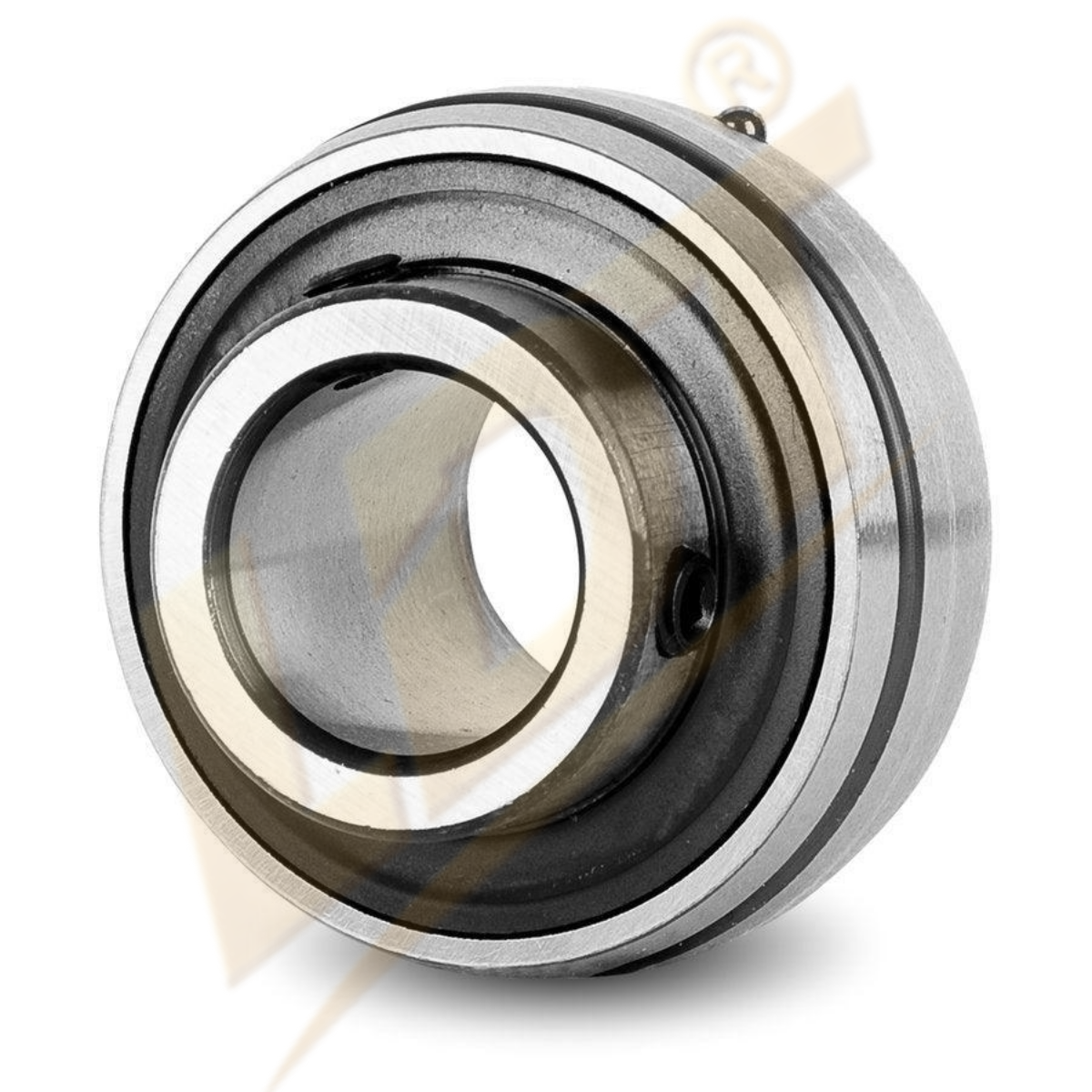
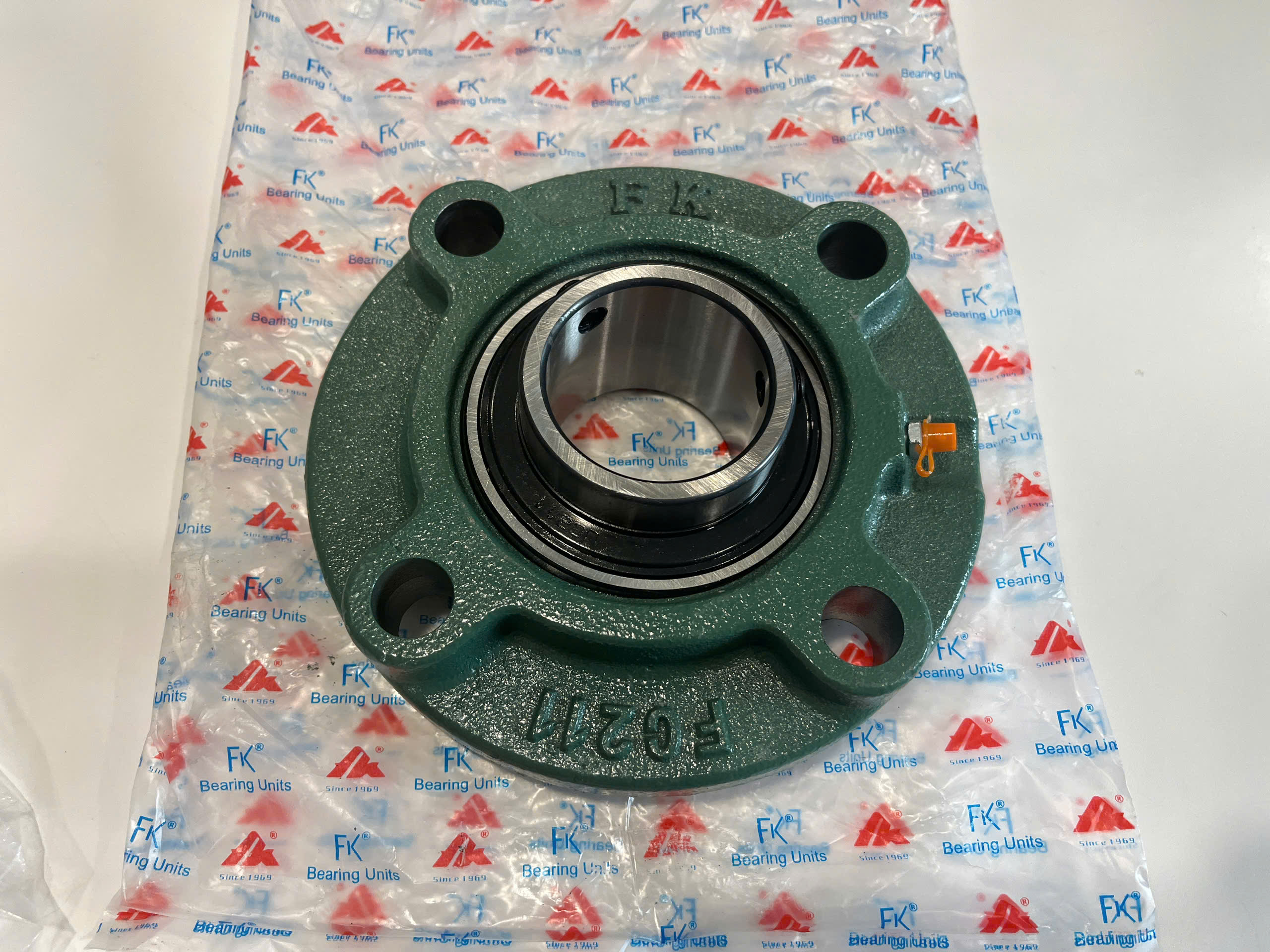
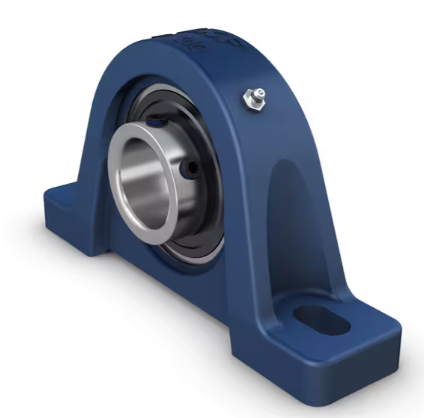
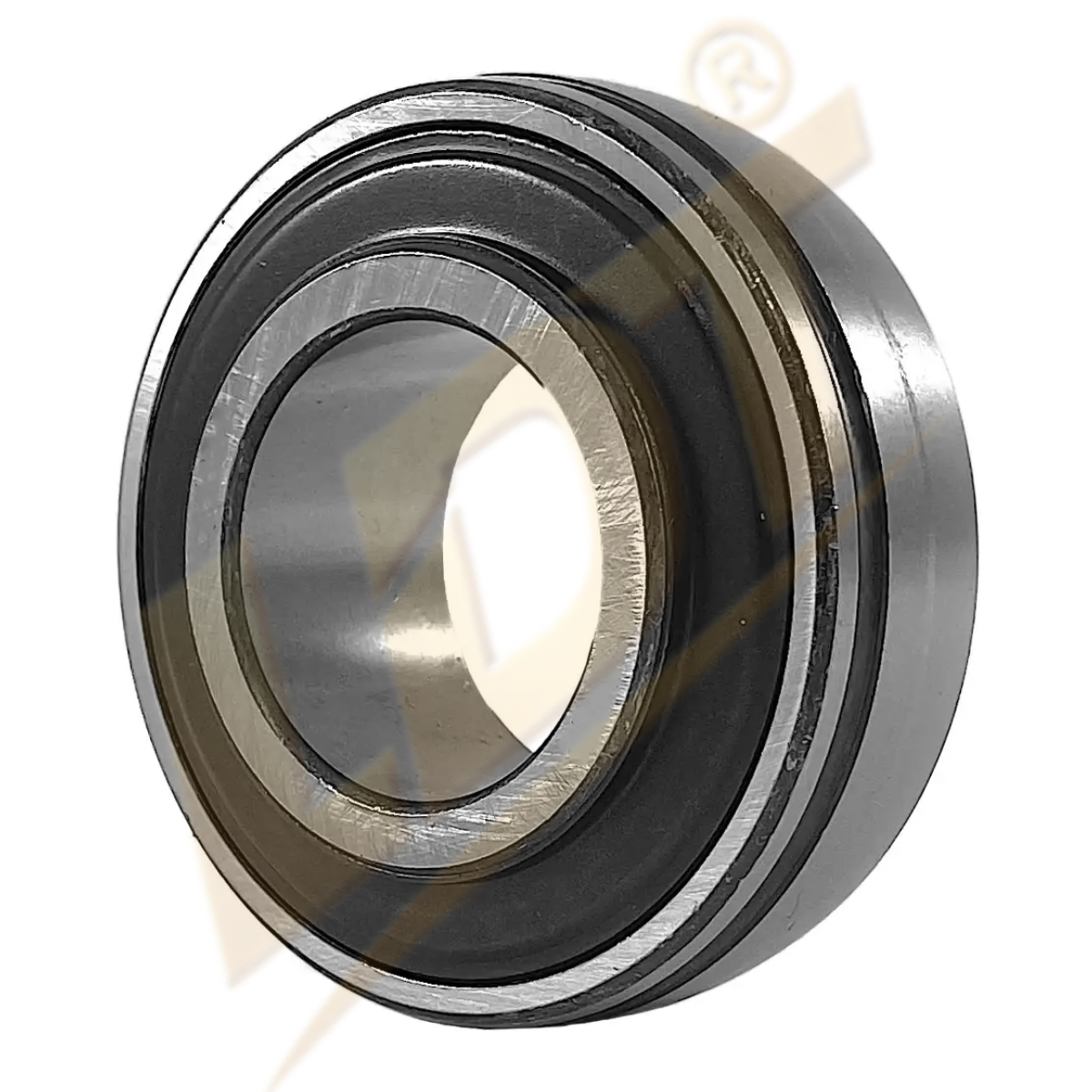
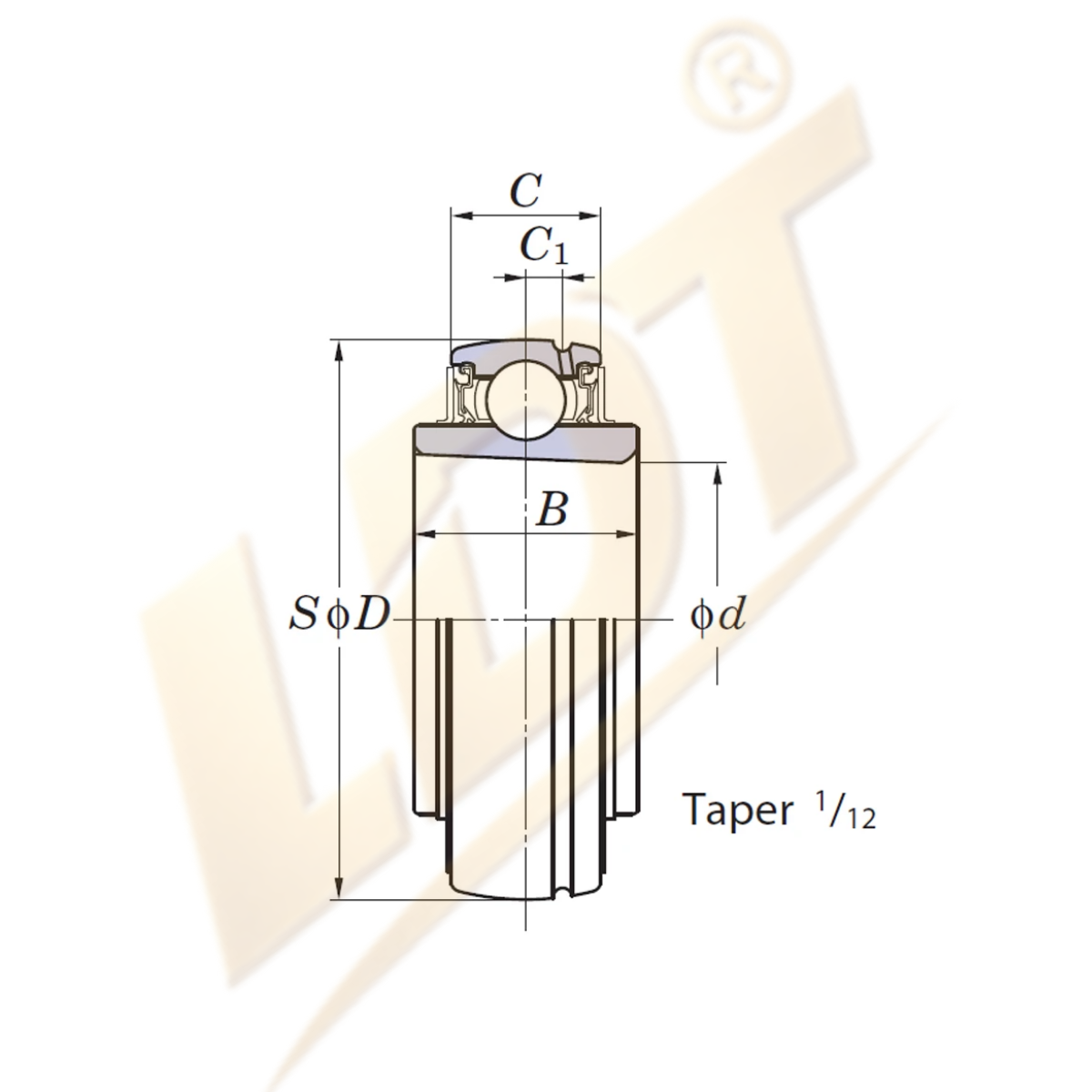
Insert bearings used in bearing units are generally based on deep-groove ball-bearing designs, but they have an extended inner ring and a spherical outside surface on the outer ring. When installed in a housing with a matching spherical surface, an insert bearing can accommodate a limited amount of initial misalignment between the shaft and the housing.
This capability depends on using the correct insert-bearing and housing combination; it does not mean that the insert bearing can be installed with arbitrary misalignment. If the insert bearing is replaced separately, check its outside dimensions, inner-ring width, lubrication-groove position and compatible housing designation.
Differences between shaft-locking methods
The catalog includes designs that use set screws in the inner ring, a tapered bore with an adapter sleeve and other locking methods. Set screws allow quick mounting on a cylindrical shaft; the tapered-bore and adapter-sleeve type clamps around the shaft according to a different principle and has its own tightening procedure.
Do not change from one locking method to another merely because the bore diameter is the same. Consider the speed, load, direction of rotation, vibration, concentricity requirements and ease of removal for the equipment.
Seals and lubrication
Insert bearings are normally pre-greased and pre-sealed. Manufacturers may offer several seal or shield types with different levels of protection and speed limits. When replacing a designation in a dusty, damp or high-temperature environment, or where hygiene is required, match the exact seal and lubricant configuration rather than comparing only the d × D × B dimensions.