UC

44 product code

UC

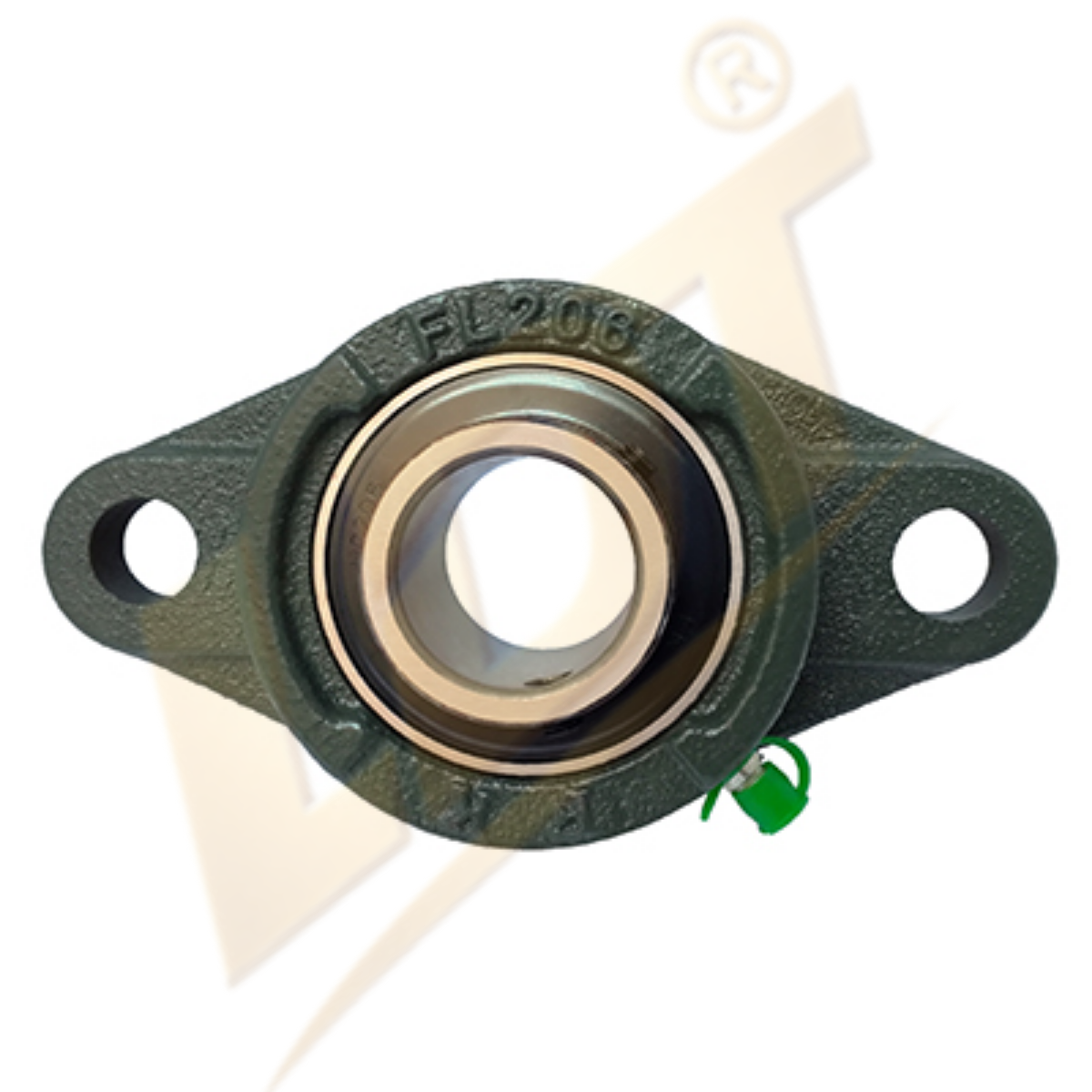
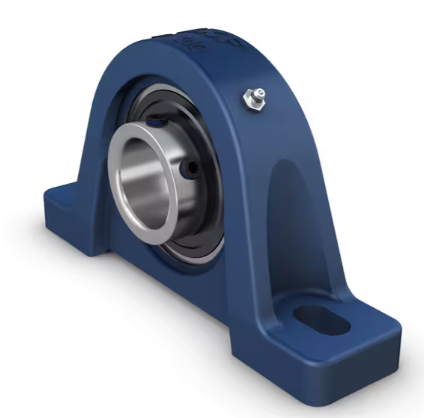
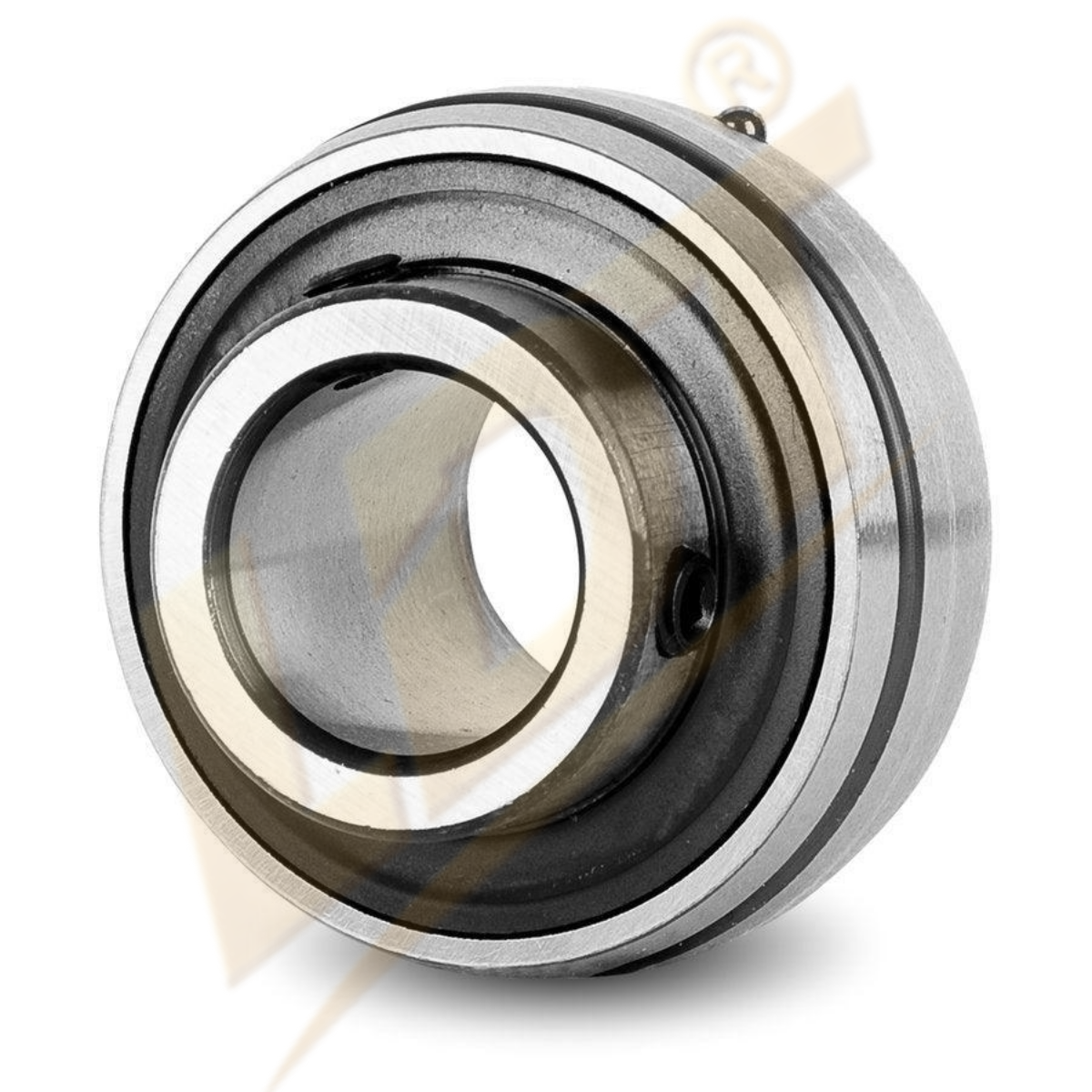
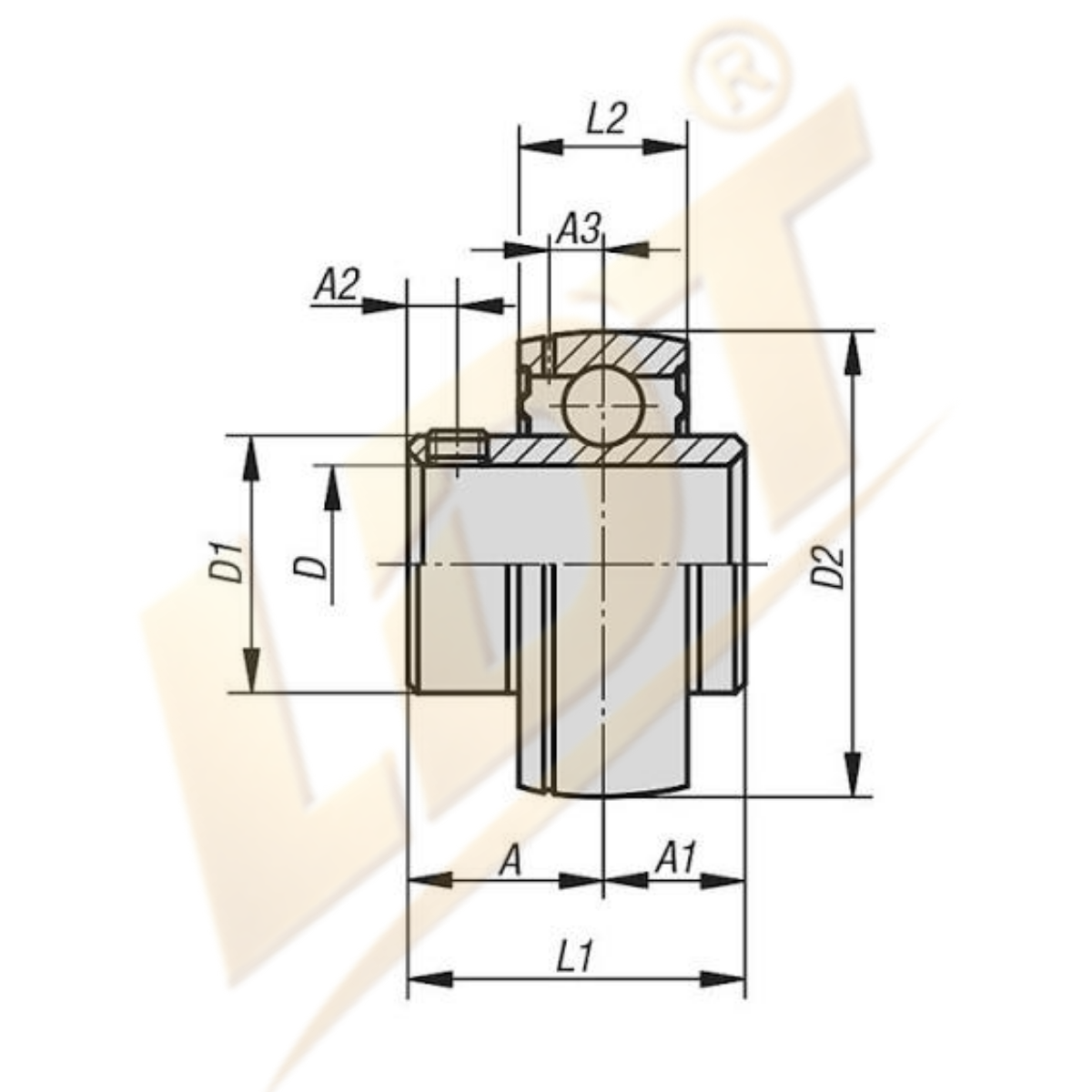
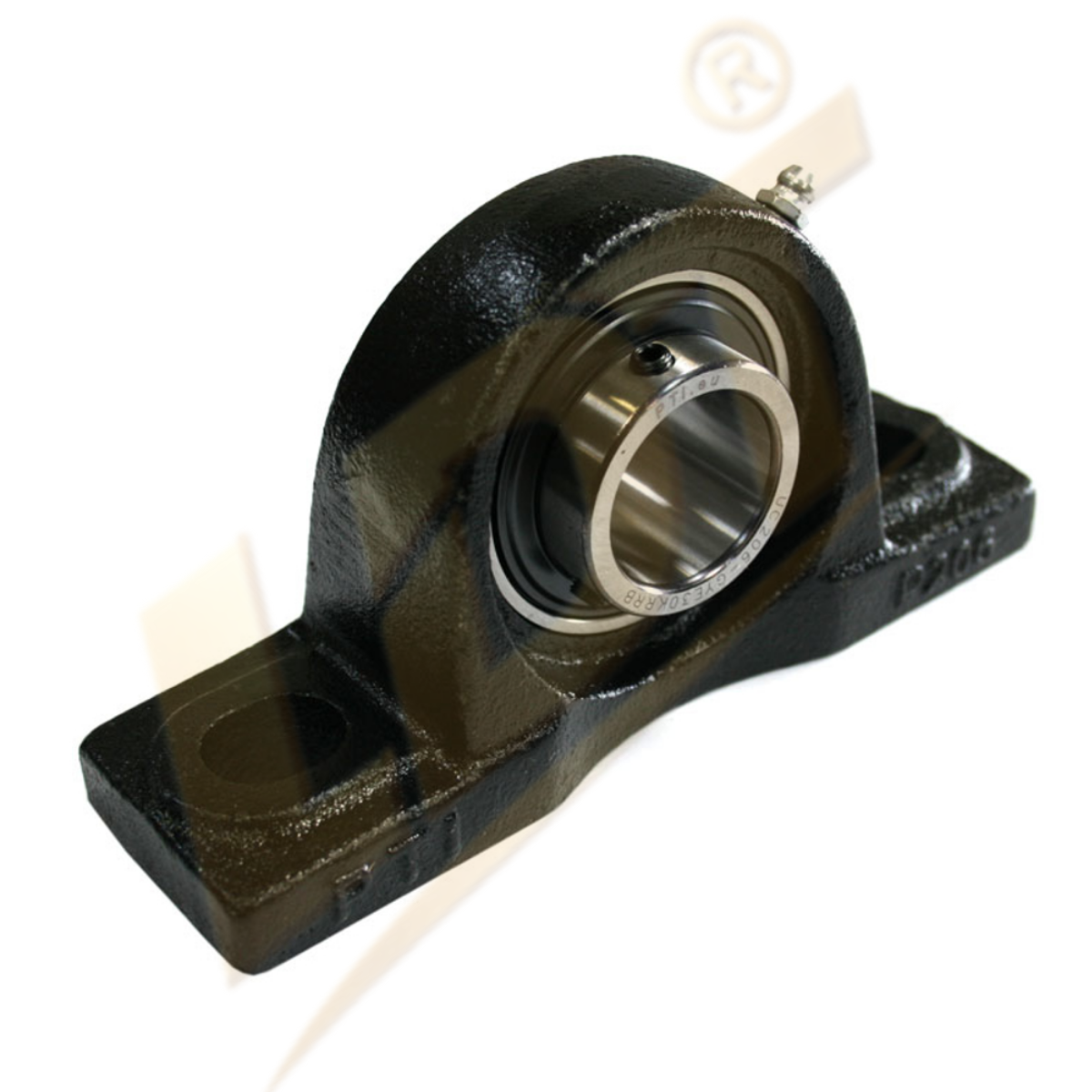
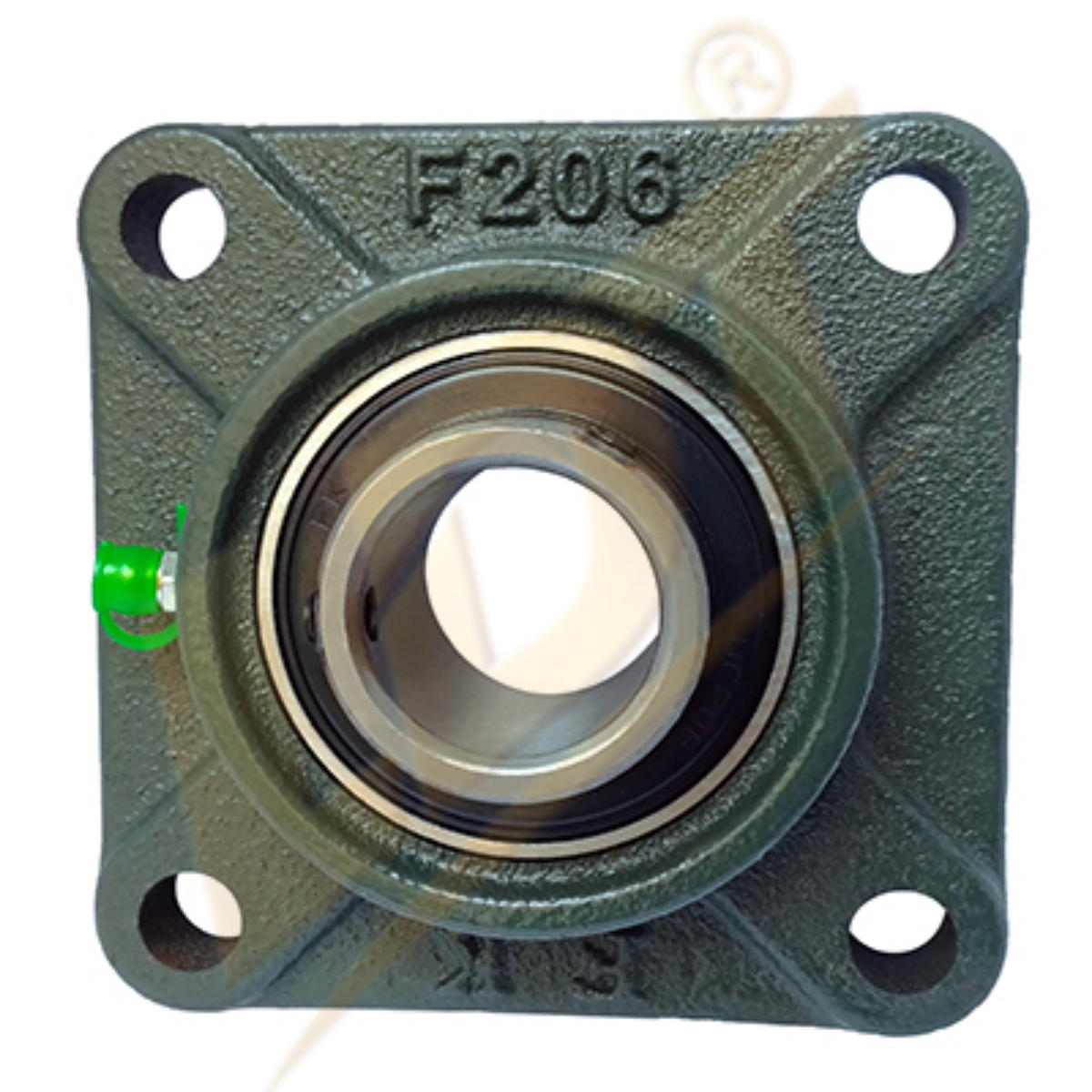
UC is a bearing housing or unit for shaft support. Select the mounting form and insert bearing according to the machine arrangement.

Selected code

UC 314

Bore diameter - d70 mm
Outside diameter - D150 mm
Inner-ring width - B78 mm
Mass3.79 kg

LDT will confirm price, stock and delivery time when the request is received.

Detailed technical content

Outside surface and operation in a housing

Insert bearings used in bearing units are generally based on deep-groove ball-bearing designs, but they have an extended inner ring and a spherical outside surface on the outer ring. When installed in a housing with a matching spherical surface, an insert bearing can accommodate a limited amount of initial misalignment between the shaft and the housing.

This capability depends on using the correct insert-bearing and housing combination; it does not mean that the insert bearing can be installed with arbitrary misalignment. If the insert bearing is replaced separately, check its outside dimensions, inner-ring width, lubrication-groove position and compatible housing designation.

Differences between shaft-locking methods

The catalog includes designs that use set screws in the inner ring, a tapered bore with an adapter sleeve and other locking methods. Set screws allow quick mounting on a cylindrical shaft; the tapered-bore and adapter-sleeve type clamps around the shaft according to a different principle and has its own tightening procedure.

Do not change from one locking method to another merely because the bore diameter is the same. Consider the speed, load, direction of rotation, vibration, concentricity requirements and ease of removal for the equipment.

Seals and lubrication

Insert bearings are normally pre-greased and pre-sealed. Manufacturers may offer several seal or shield types with different levels of protection and speed limits. When replacing a designation in a dusty, damp or high-temperature environment, or where hygiene is required, match the exact seal and lubricant configuration rather than comparing only the d × D × B dimensions.
FAQ

Frequently asked questions

Ruột ổ bi có cùng đường kính lỗ có thể thay thế trực tiếp cho nhau không?

Không nên kết luận chỉ từ đường kính trục. Hai ruột ổ bi có thể khác đường kính ngoài, chiều rộng vòng trong, phương pháp khóa, vị trí bôi trơn, kiểu phớt hoặc tải danh định. Nếu thay riêng ruột ổ bi trong thân gối cũ, cần kiểm tra cả mã thân gối và bảng tương thích của nhà sản xuất.

Khi nào nên dùng loại khóa bằng ống lót thay vì vít hãm?

Loại dùng ống lót côn phù hợp với những bố trí cần cơ chế kẹp quanh trục thông qua sleeve và đai ốc, trong khi loại vít hãm thuận tiện cho lắp nhanh trực tiếp trên trục hình trụ. Không có phương án nào tốt cho mọi ứng dụng; lựa chọn cần xét tải, tốc độ, rung, dung sai trục và yêu cầu tháo lắp.

Có thể ép hoặc đóng búa trực tiếp vào ruột ổ bi khi lắp lên trục không?

Không nên dùng lực va đập trực tiếp lên các chi tiết làm kín hoặc truyền lực lắp qua phần không phù hợp. FK khuyến nghị nếu độ lắp giữa lỗ ổ và trục chặt, nên dùng thiết bị ép tác dụng lên vòng trong thay vì đóng mạnh vào ổ. Cách lắp sai có thể làm dịch chuyển slinger hoặc gây hư hỏng trước khi vận hành.

Khi thay ruột ổ bi, có cần quan tâm đến kiểu phớt nếu kích thước hoàn toàn giống nhau không?

Có. Kiểu phớt ảnh hưởng đến khả năng chống bụi, giữ mỡ, ma sát và giới hạn tốc độ. Hai ruột ổ bi có cùng kích thước nhưng dùng hệ phớt khác nhau có thể phù hợp với môi trường vận hành khác nhau. Với vị trí nhiễm bẩn, ẩm hoặc tốc độ cao, nên đối chiếu cấu hình phớt của đúng mã.

News about Bearing housings