SKF Lubrication Management: Improving Performance
What Is Lubrication and How Does It Work?
Simply stated, lubrication reduces friction and wear by using a lubricant layer to prevent metal-to-metal contact. Lubricants may be solid (graphite), liquid (oil), semi-solid (grease) or gas (air). Their viscosity, relative speed, load and surface geometry create a very thin lubricating film, measured in microns or less.
Most movement in society, from trains to vacuum cleaners, depends on this film between bearings, chains and machine components.
Oil and grease are today’s main lubricants. Additives modify properties such as extreme-pressure capability, wear protection and oxidation resistance. In grease, a thickener maintains a structure that adheres to surfaces.
Lubrication, although often treated as routine work, becomes strategically important when properly managed. Alain Noordover, SKF Lubrication Management Development Manager, emphasizes its key role in production efficiency based on extensive experience.
Poor performance
Lubrication is essential in production but often dismissed as too basic. Without it, machinery can stop completely. Poor practices and contamination cause up to 50% of premature bearing failures, and more in equipment such as industrial chains. These habits have barely changed despite new lubricants, tools and management software.
Incorrect lubrication wastes capital, resources and labor and harms the environment, especially while issues such as CO2emissions are a global priority.
A 2017 study in Friction estimated that overcoming friction consumes 20% of global energy. This cannot be eliminated entirely, but better lubrication can reduce it substantially. Every country spends part of its GDP replacing worn components.
A targeted lubrication-management approach clearly improves efficiency. Done correctly, lubrication changes from a burden into an asset.
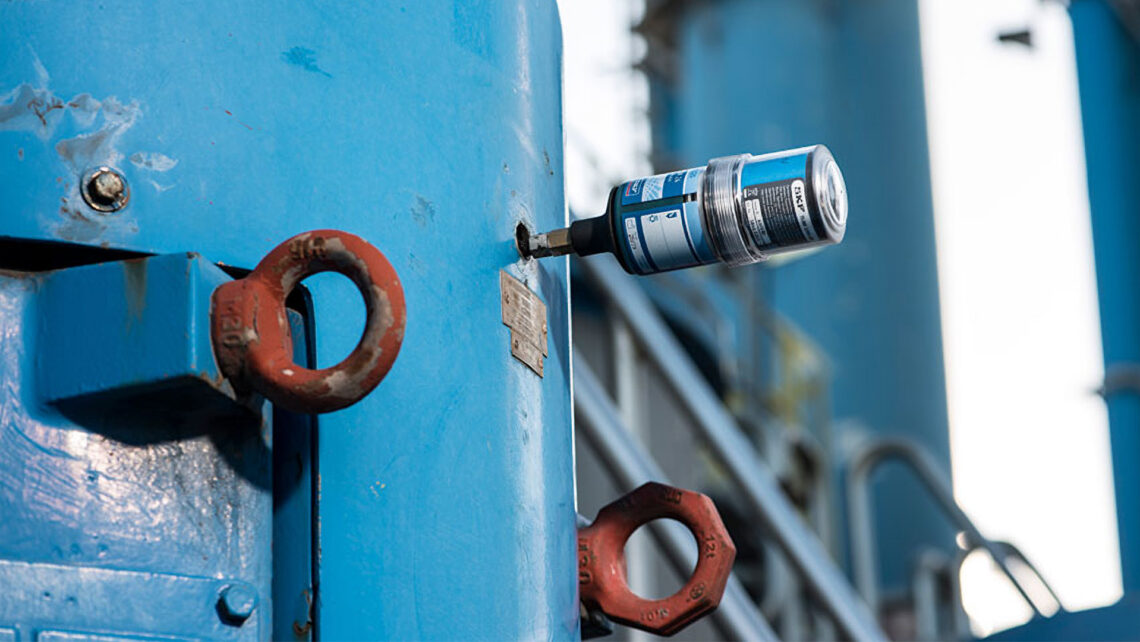
Why Is Lubrication Often Ineffective?
- It is considered dirty, unappealing work. Lubricants are unpleasant to handle, and lubrication requires extensive repetitive movement.
- Lubrication commonly represents only about 10% of the maintenance budget, so it is overlooked or treated merely as a cost.
- Lubrication knowledge and skills are lacking at both operational and management levels.
- Every lubrication point involves many small actions requiring skill and standard practice.
Usually all these factors interact differently in each business. Although correct lubrication is recognized as important, actual practices often fall short. Lubrication should be managed as a living process rather than disconnected tasks.
When Things Go Wrong
Poor lubrication and contamination cause about half of premature bearing failures, and an even higher share in equipment such as industrial chains.
Alain Noordover, SKF Lubrication Management Development Manager
Example 1: In a cement plant, expensive spherical roller bearings repeatedly failed. Investigation found four different lubricants in use; one with only one-twentieth of the required viscosity had been applied, causing metal-to-metal contact and premature failure.
Example 2: In a food-industry salt press, an old system pumped grease into a bearing and the grease leaked into the final product. The grease was not food grade, and salt entered the bearing, requiring cleaning every two weeks.
These examples show how small lubrication problems cause major cost, production loss and extra work, directly reducing profitability.
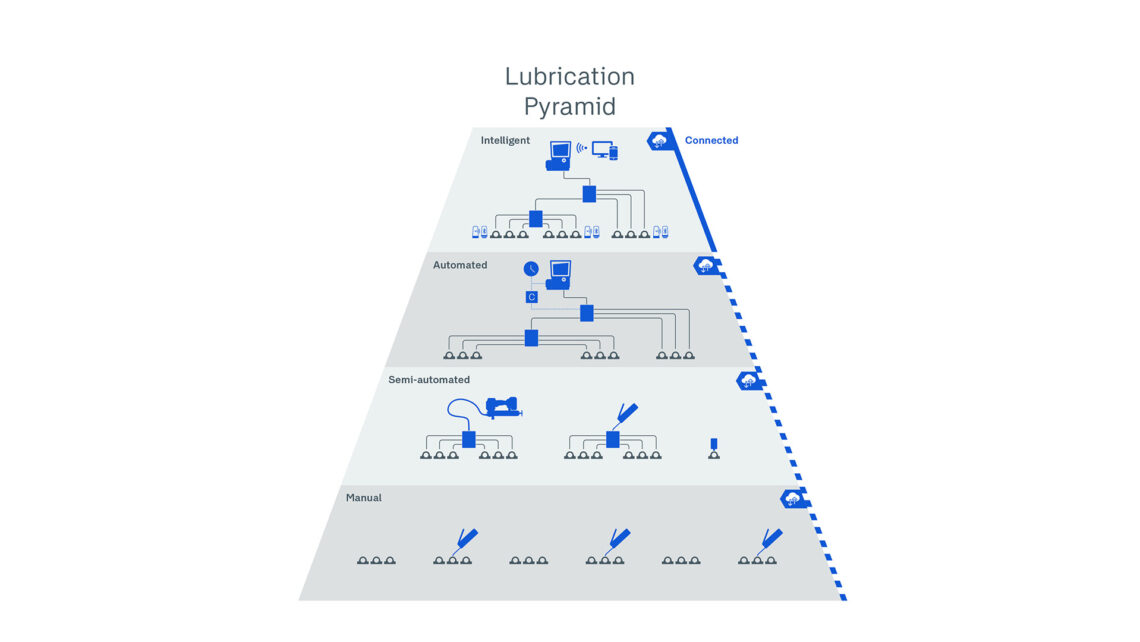
SKF Lubrication Management
Lubrication management reduces wasted capital, resources and time, improves health and lowers environmental impact by reducing CO2 emissions and material use. Its formal definition is:
“The appropriate organization of resources to improve reliability, reduce waste and costs, and increase safety and environmental compliance.”
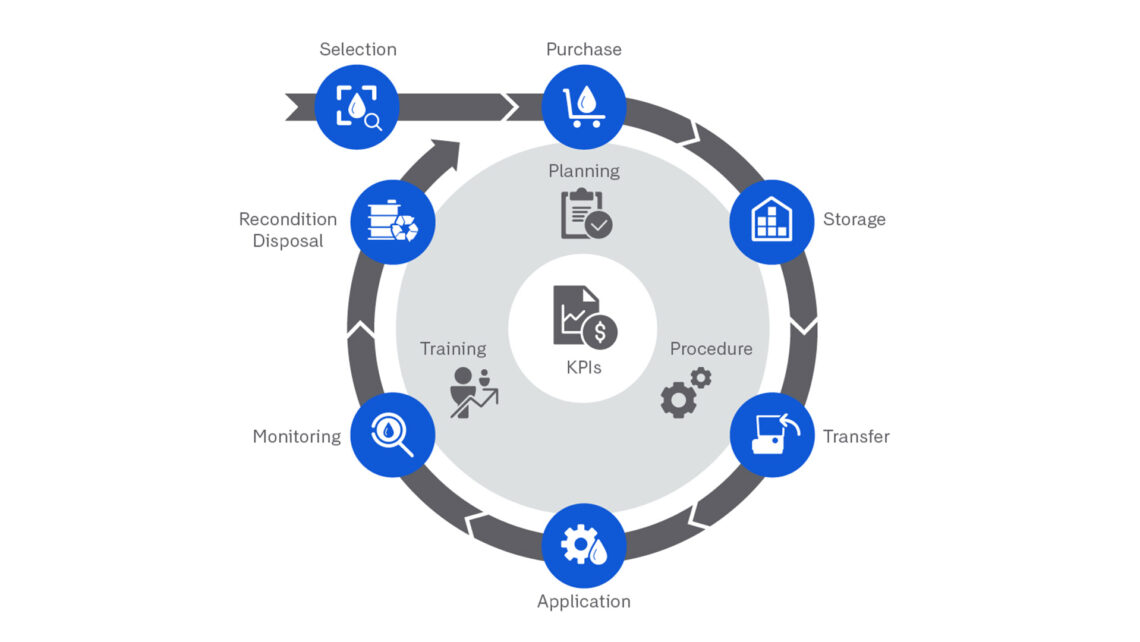
The SKF lubricant life-cycle model divides lubrication management into seven steps:
- Selection: Select the correct product using tools such as SKF LubeSelect based on actual bearing performance.
- Purchasing: Use reputable suppliers offering consistent quality.
- Storage: Maintain suitable temperature and humidity and prevent contamination.
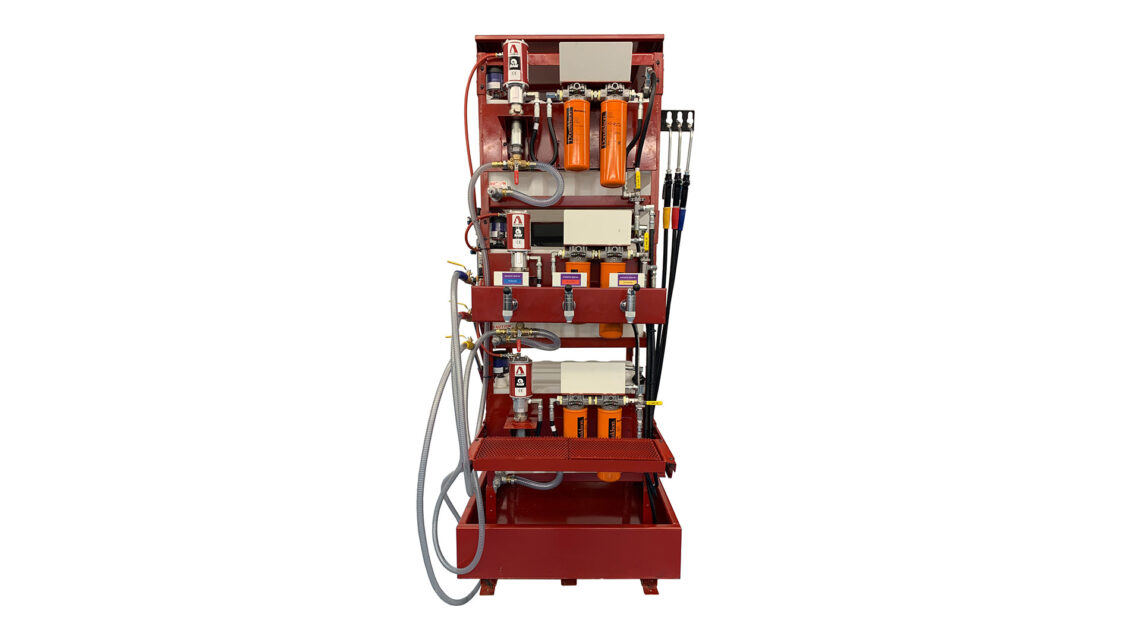
- Transfer: Color-code tools and lubrication points, prevent cross-contamination and keep equipment clean.
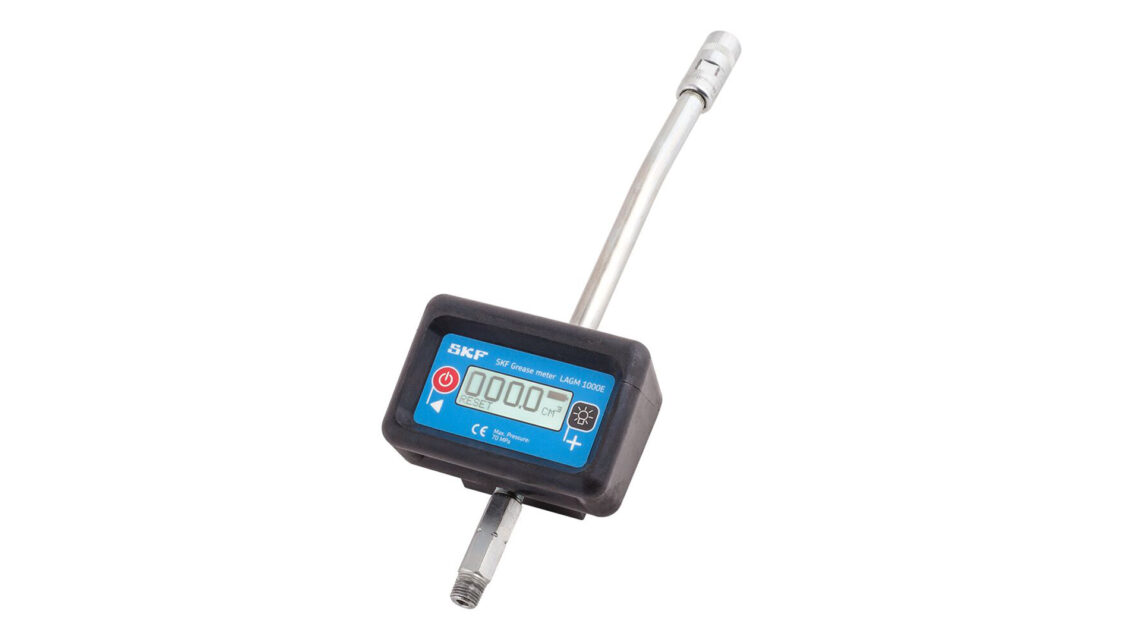
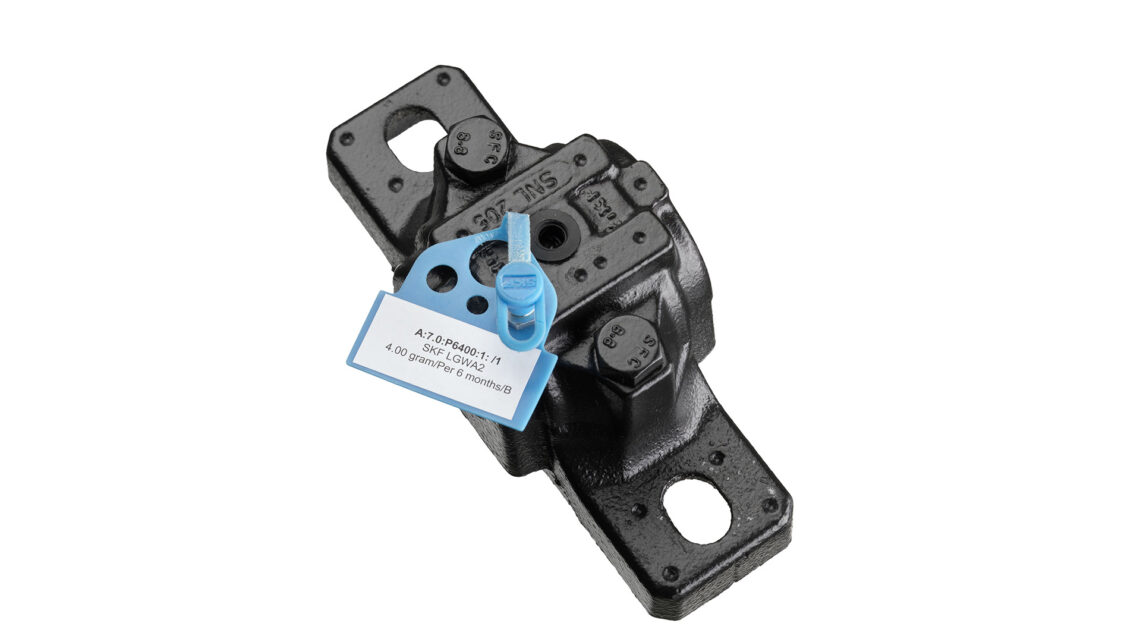
- Application: Verify quantity and interval for both manual and automatic lubrication.
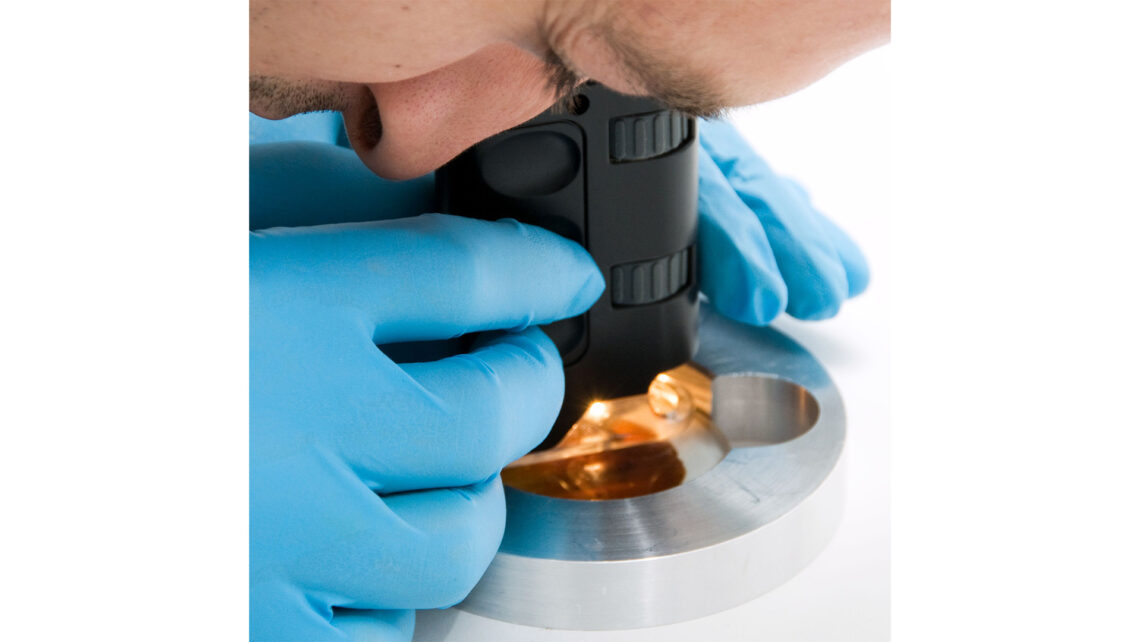
- Monitoring: Analyze oil and grease to determine lubricant effectiveness.
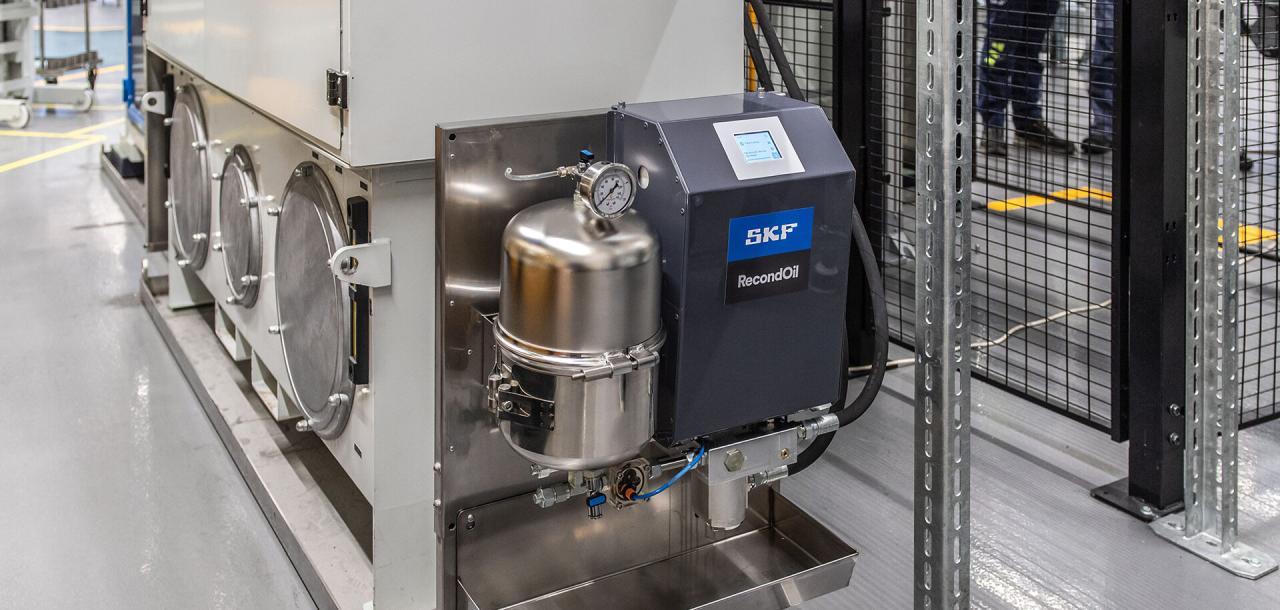
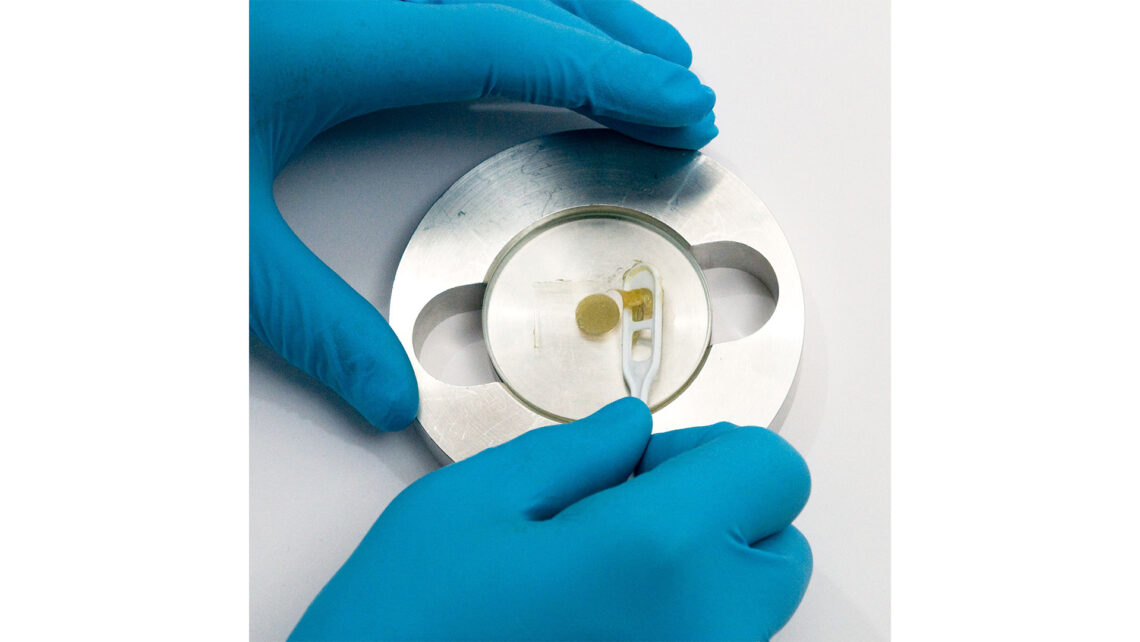
- Reconditioning/disposal: Dispose correctly. Systems such as SKF RecondOil allow oil reuse, although lubricants often still require replacement and disposal.
Both earlier cases were resolved through lubrication management. The cement plant documented its processes to prevent the wrong lubricant being used. The salt press required correct lubricant selection and application, sealing, vibration monitoring and grease analysis.
The Complete Picture
The SKF lubrication-management model includes four additional elements:
- Planning and scheduling: Ensure the right task, amount, time and lubrication point. Specialized management software is useful.
- Procedures: Establish standard processes. Digital documents are easy to update and access and prevent knowledge loss when staff change.
- Training and personal development: Treat lubrication as skilled work with training and development plans. Automation gives technicians more time to inspect machinery.
- Management and KPIs: Set suitable KPIs to measure effectiveness, such as fewer unplanned failures or lower oil consumption without compromising operation.
Applying the Model
Small steps can deliver significant improvements:
- Assess the current state: Conduct an audit or self-assessment using a tool such as SKF QLR.
- Build the investment case: Quantify losses from poor lubrication and estimate improvement benefits.
- Develop personnel skills: Train people to move from repetitive work to proactive problem-solving.
- Apply good practices: Plan specific activities, as carefully as preparing a proper meal.
- Set targets: For example, reduce lubrication-related bearing failures or oil consumption without affecting machinery.
Conclusion
Change requires a new mindset and adoption of lubrication management, accepting that action is necessary to improve performance.
The first and most important step is raising awareness through communication campaigns and training. Shared understanding improves communication. Then address visible issues such as the storage room to demonstrate that lubrication is taken seriously.
Lubrication must enter a new era using industry knowledge, new equipment, digitalization, AI and oil and grease recycling. Lubrication management reduces resource and energy consumption while preserving modern living standards.
There is no instant solution and change cannot happen overnight, but recognizing the problem and committing to solve it are within everyone’s reach.
View more SKF products: Here

LDT is proud to be a major SKF partner. In addition to supplying genuine products, LDT sales engineers provide advice and optimized technical solutions.
Contact LDT using the information below for advice and special offers.
===================================
Address: 121-123 To Hieu Street, Nguyen Trai Ward, Ha Dong District, Hanoi, Vietnam
Sales hotline: Ms Phuong: 0376286968
Facebook page:https://www.facebook.com/BoitroncongnghiepSKF?ref=embed_page