Detailed technical content
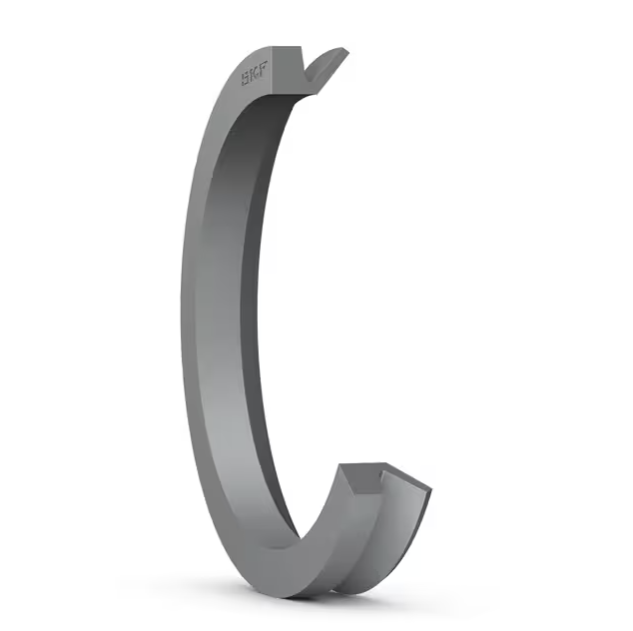
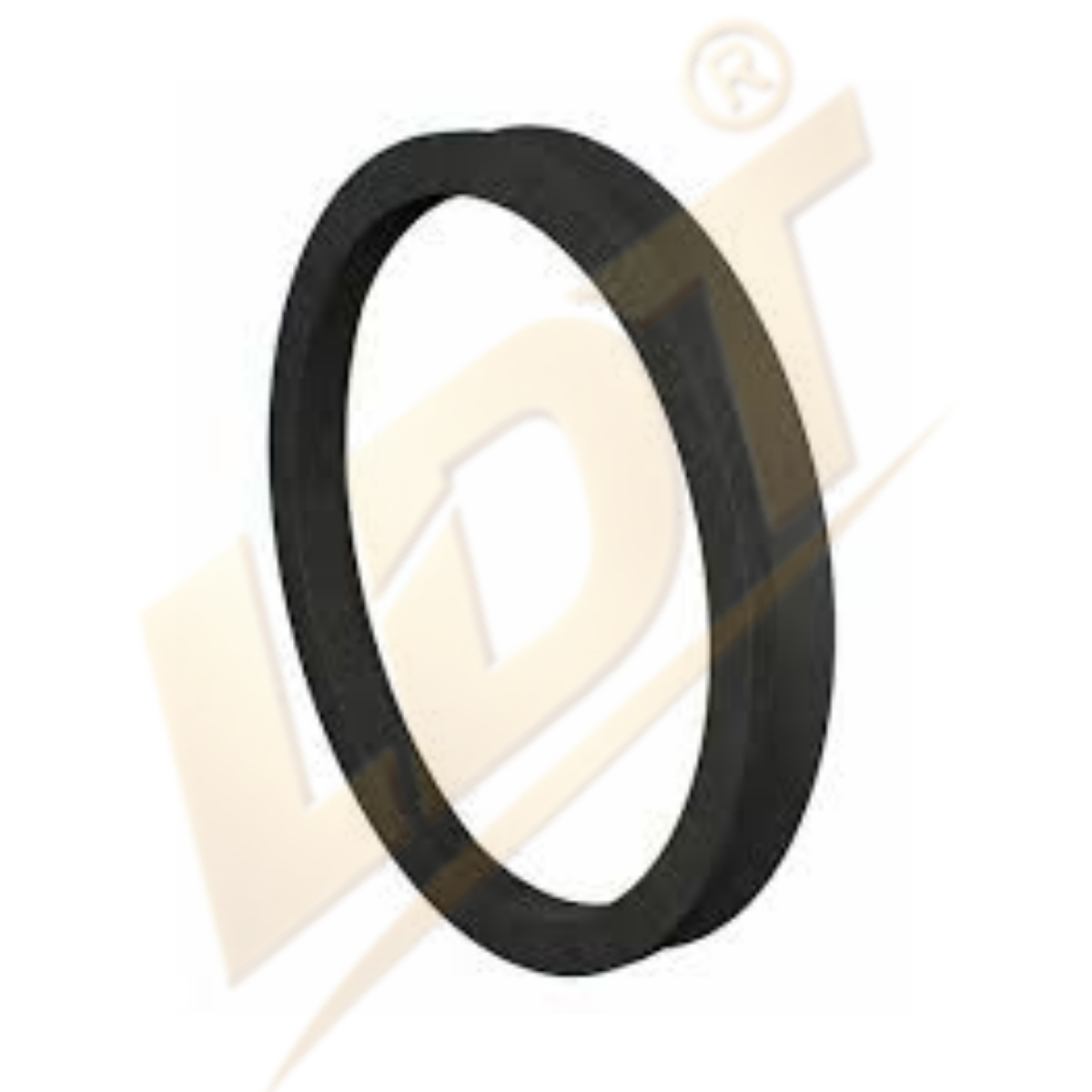
A V-Ring rotates with the shaft and seals against an opposing surface
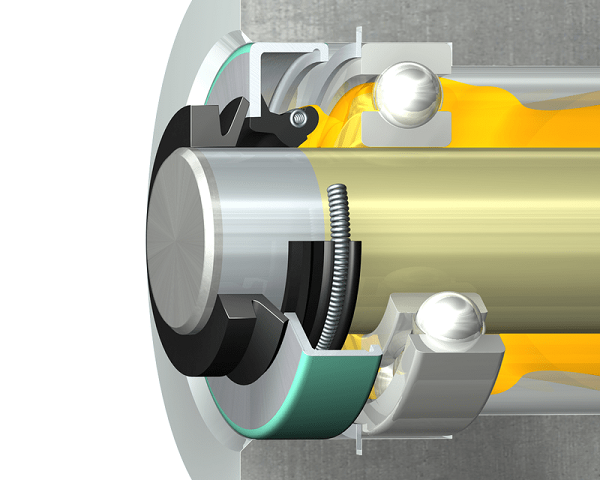
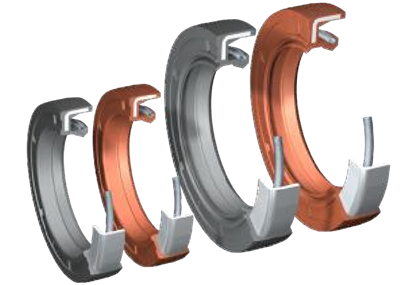
A V-Ring is stretched onto the shaft and rotates with it. Its flexible sealing lip makes axial contact with a stationary surface such as a bearing cover or housing face. This construction differs from a radial shaft seal, whose lip operates directly on the shaft’s cylindrical surface.
DEDE identifies VA and VS as standard forms for unpressurized axial sealing. The sealing lip can accommodate a degree of misalignment and angular deviation, but the counterface must still be sufficiently flat, clean and suitable to prevent uneven wear.
VA and VS must be selected according to installation space and profile geometry
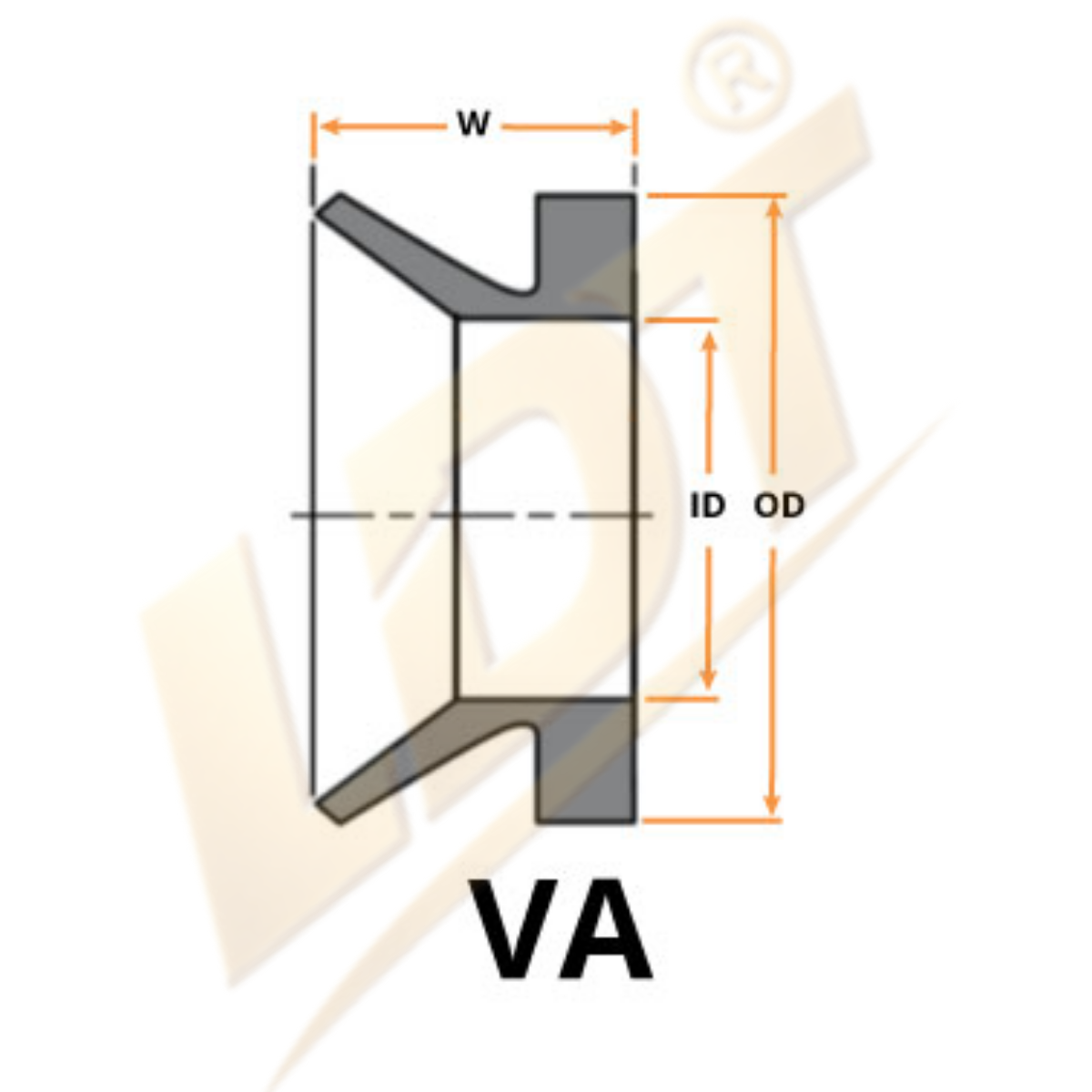
VA and VS should not be treated as the same seal under different names. Each profile has its own geometric proportions and installation dimensions. For replacement, compare the shaft diameter, axial space, sealing-face dimensions and the profile currently in use.
A V-Ring primarily protects the assembly against contaminants and lubricant loss under suitable conditions
Because it is an unpressurized axial seal, the V-Ring is highly useful as a barrier against dust, splashed water or contaminants outside a bearing assembly. It is not intended to replace a seal that withstands a high pressure differential. Where oil must be retained under pressure or the primary seal in a transmission housing is required, another suitable seal type must be considered.