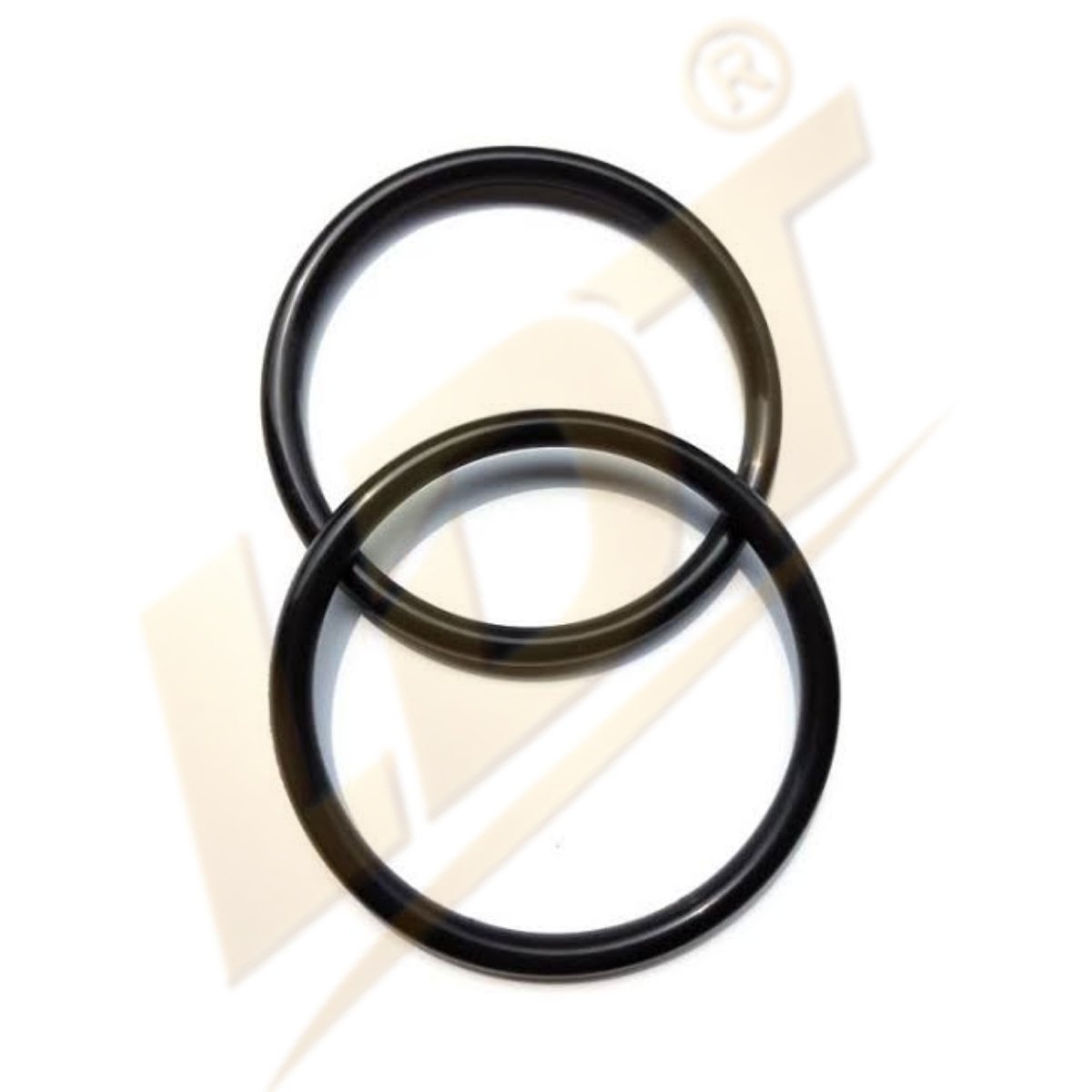
V-RING VA

107 product code

V-RING VA

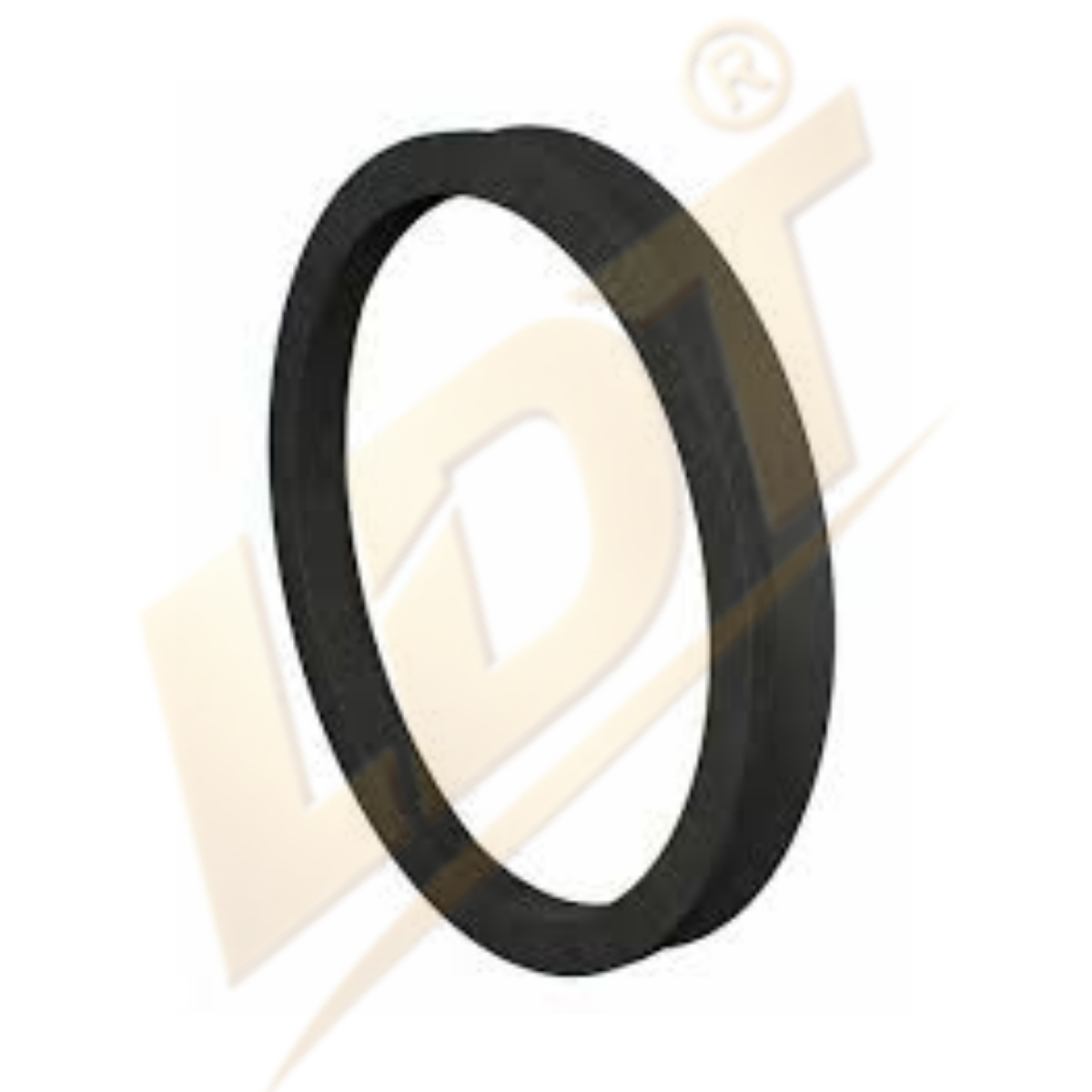
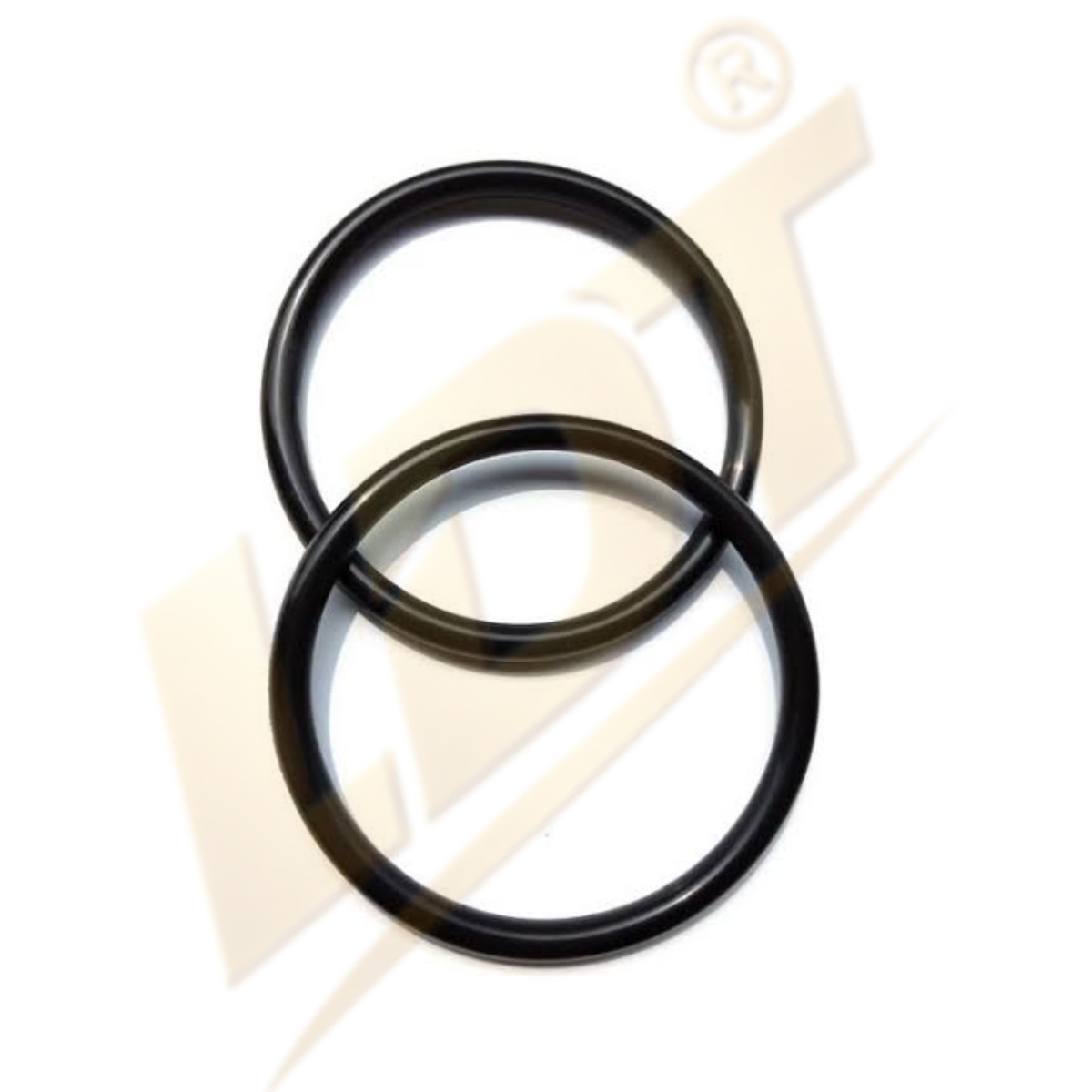
V-RING VA is a sealing component for controlling lubricant leakage and limiting contamination at the mounting position. Confirm size, material and operating conditions before selection.

Selected code

190 VA R

Shaft - diameter190 mm
Seal - typeV-Ring VA
MaterialNBR

LDT will confirm price, stock and delivery time when the request is received.

Detailed technical content

A V-Ring rotates with the shaft and seals against an opposing surface

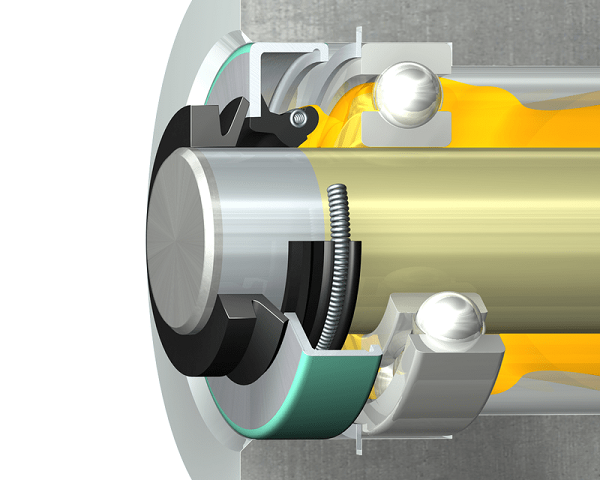
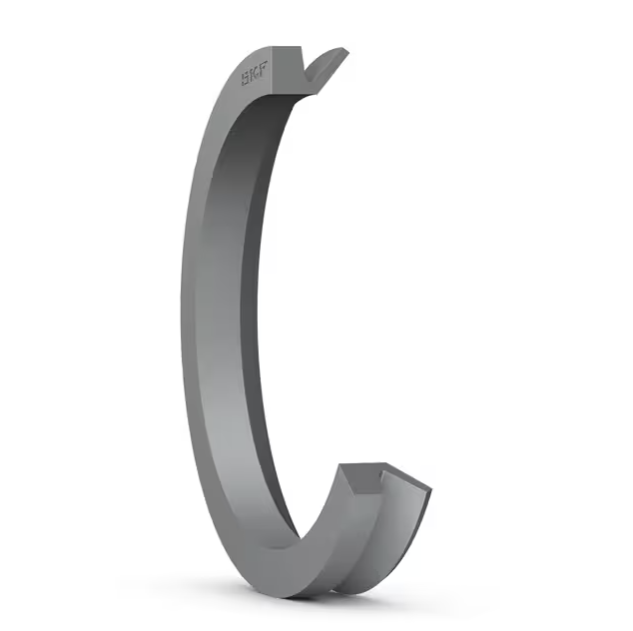
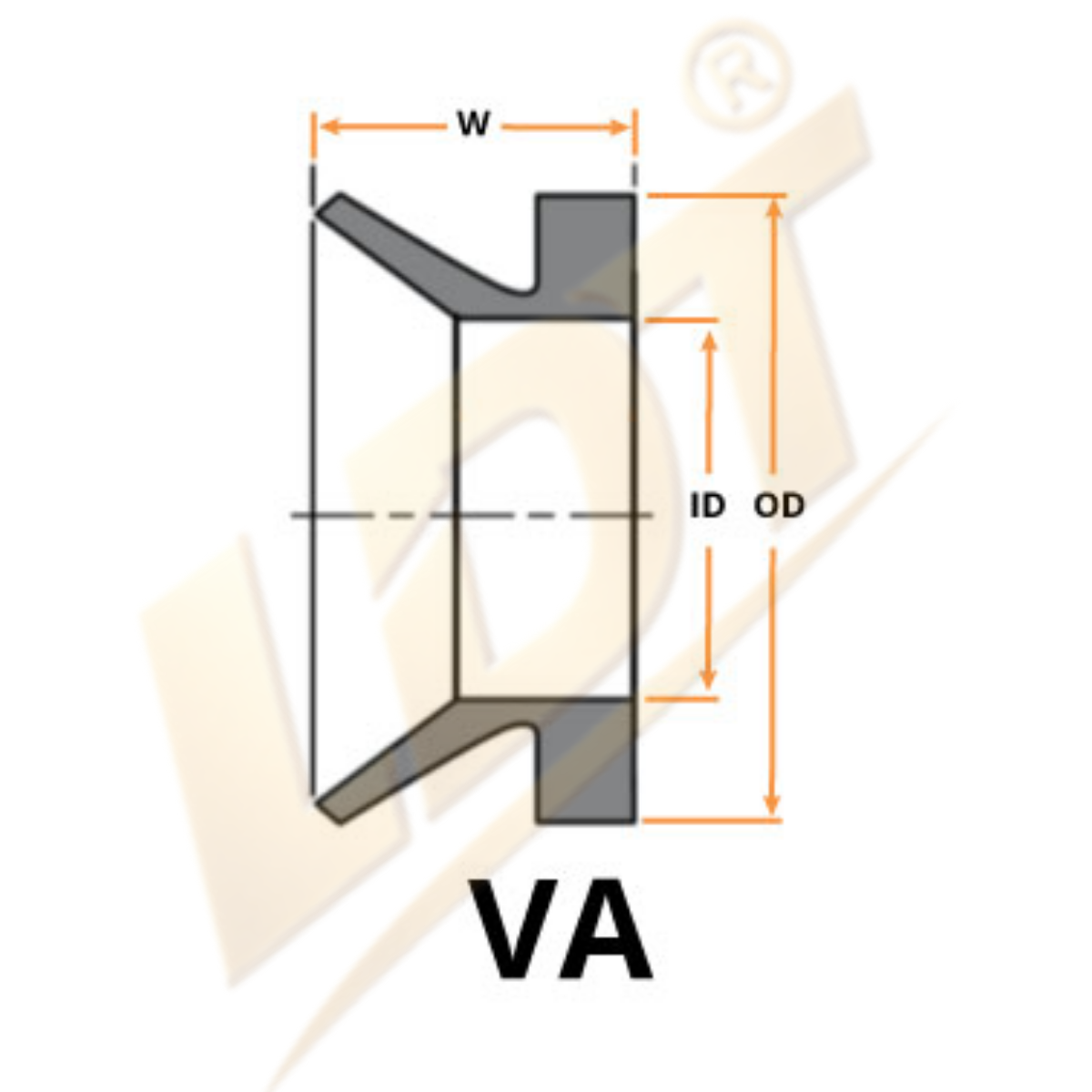
A V-Ring is stretched onto the shaft and rotates with it. Its flexible sealing lip makes axial contact with a stationary surface such as a bearing cover or housing face. This construction differs from a radial shaft seal, whose lip operates directly on the shaft’s cylindrical surface.

DEDE identifies VA and VS as standard forms for unpressurized axial sealing. The sealing lip can accommodate a degree of misalignment and angular deviation, but the counterface must still be sufficiently flat, clean and suitable to prevent uneven wear.

VA and VS must be selected according to installation space and profile geometry

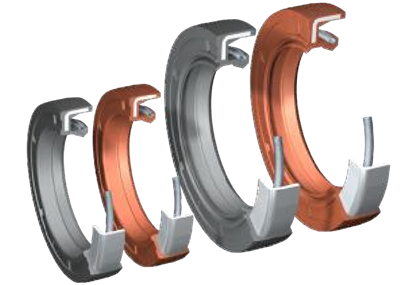
VA and VS should not be treated as the same seal under different names. Each profile has its own geometric proportions and installation dimensions. For replacement, compare the shaft diameter, axial space, sealing-face dimensions and the profile currently in use.

A V-Ring primarily protects the assembly against contaminants and lubricant loss under suitable conditions

Because it is an unpressurized axial seal, the V-Ring is highly useful as a barrier against dust, splashed water or contaminants outside a bearing assembly. It is not intended to replace a seal that withstands a high pressure differential. Where oil must be retained under pressure or the primary seal in a transmission housing is required, another suitable seal type must be considered.
FAQ

Frequently asked questions

Phớt V-Ring có dùng để giữ dầu dưới áp suất giống phớt chặn dầu thông thường không?

Không nên dùng theo cách đó. VA/VS được nhà sản xuất mô tả cho làm kín hướng trục không áp. Nếu vị trí làm kín có chênh áp đáng kể hoặc cần giữ dầu như một phớt trục quay chính, cần chọn loại phớt được thiết kế cho điều kiện đó thay vì chỉ dựa vào đường kính trục.

VA và VS có thể thay trực tiếp cho nhau khi cùng đường kính trục không?

Không mặc định được. Hai biên dạng có hình học và kích thước lắp khác nhau, vì vậy ngoài đường kính trục còn phải kiểm tra chiều cao tiết diện, bề rộng tự do, bề rộng sau lắp và khoảng không quanh mặt đối tiếp. Nếu đổi biên dạng cần đối chiếu bảng kích thước của nhà sản xuất.

V-Ring có thể bù được trục lệch bao nhiêu cũng được không?

Không. Môi phớt đàn hồi có khả năng thích nghi với một mức sai lệch và lệch góc lớn hơn một số kiểu phớt khác, nhưng vẫn có giới hạn. Sai lệch quá lớn làm áp lực tiếp xúc không đều và gây mòn cục bộ. Cần căn chỉnh trục và mặt làm kín đúng kỹ thuật thay vì dựa hoàn toàn vào tính đàn hồi của V-Ring.

Khi thay V-Ring, có cần quan tâm đến bề mặt mà môi phớt tỳ vào không?

Có. Môi V-Ring làm kín trực tiếp trên mặt đối tiếp theo phương trục, nên bề mặt này cần sạch, đủ phẳng và không có ba via hoặc rãnh xước gây mòn môi phớt. Một V-Ring mới lắp đúng kích thước vẫn có thể làm việc kém nếu mặt đối tiếp đã hư hỏng.

News about Industrial seals