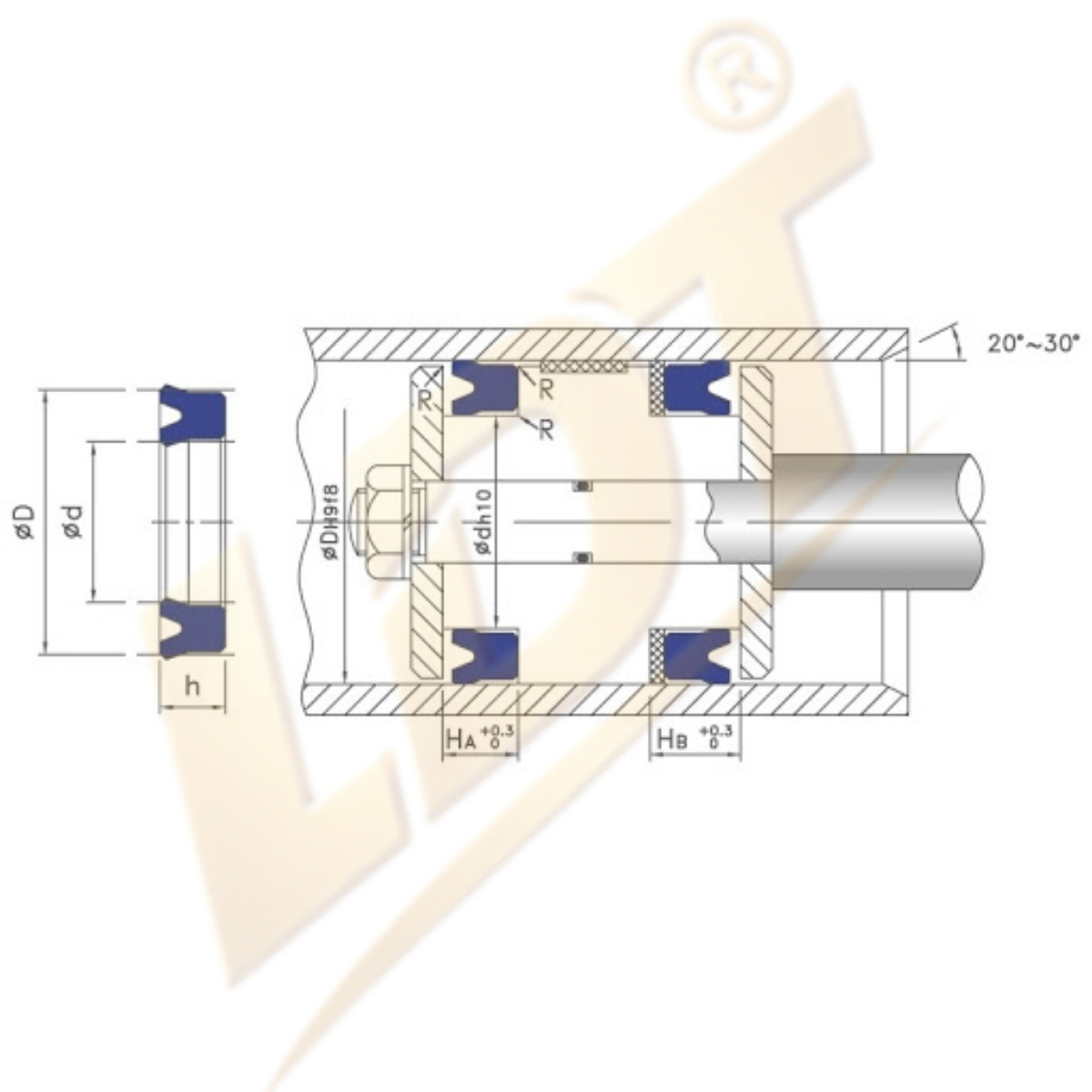
Detailed technical content
First identify where the seal operates
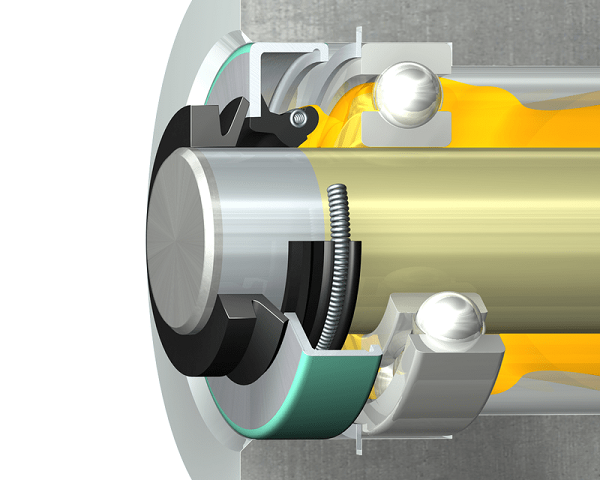
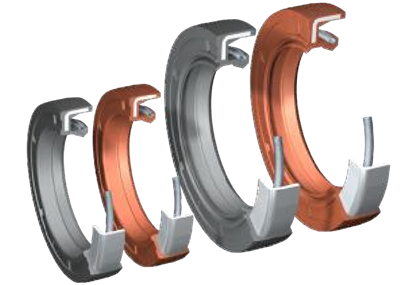
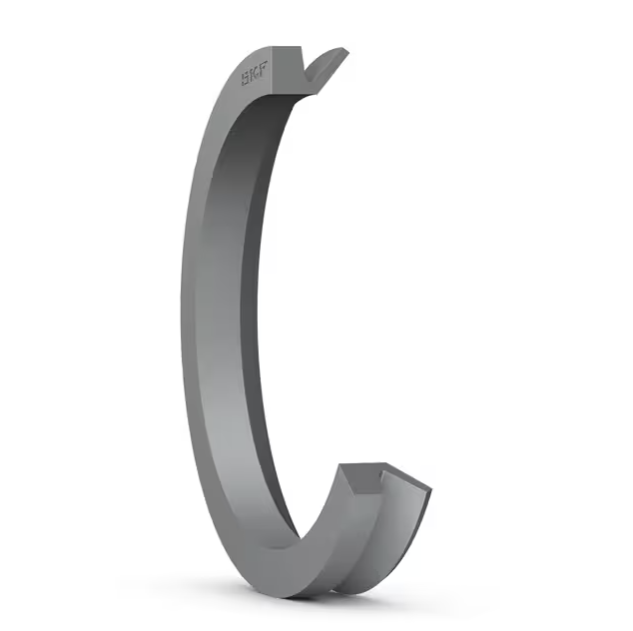
Sealing elements perform different duties in a hydraulic cylinder. A seal operating between the piston and cylinder bore does not face the same conditions as a seal on the piston rod. SKF clearly distinguishes rod sealing systems, piston sealing systems, buffer seals and wiper seals; each position has its own requirements for pressure direction, friction, clearance and oil film.
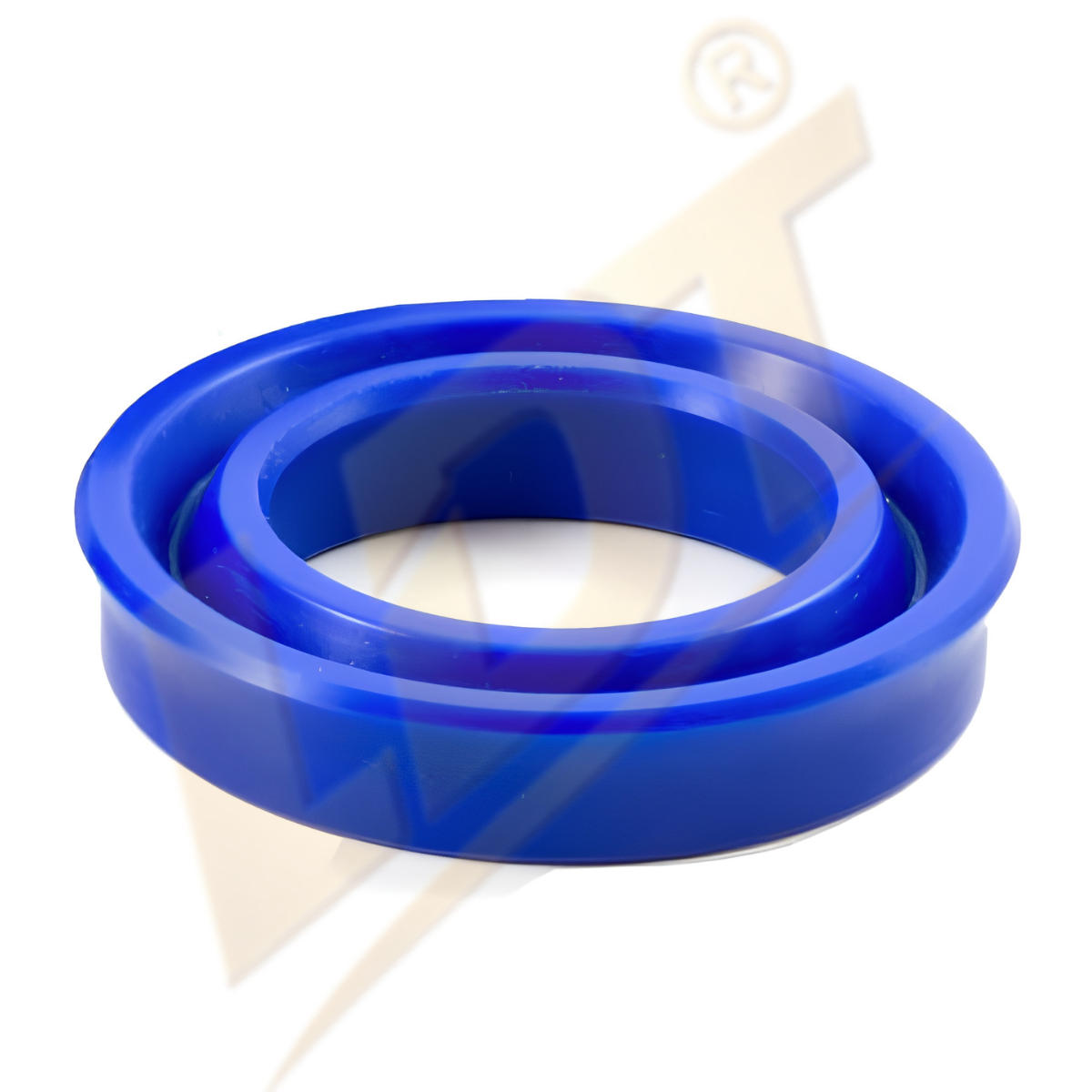
Therefore, when replacing a UN or C2 seal, do not consider only the three basic dimensions. Determine whether the seal is installed on the piston, rod or another position in the assembly, the direction of applied pressure and the profile of the old seal.
Material and profile must suit the pressure, temperature and medium
DEDE lists UN in its PU seal group and supplies many sizes by inside diameter, outside diameter and width. Polyurethane offers advantages in mechanical properties, wear resistance and pressure resistance, but every material has limits for temperature and compatibility with hydraulic fluids.
For C2, the current source confirms only that it falls within the hydraulic-seal category and does not provide enough basis to assign one specific construction to every C2 seal. When selecting C2, therefore prioritize the exact designation/profile, material and manufacturer’s documentation rather than inferring from the group name.
Clearance, surfaces and installation directly affect service life
Hydraulic seals operate under pressure, so the clearance between components, surface finish and resistance to material extrusion are all important. A scratched surface, sharp edge or excessive clearance can cut or wear the seal, or extrude it through the gap, even when its dimensions are completely correct.