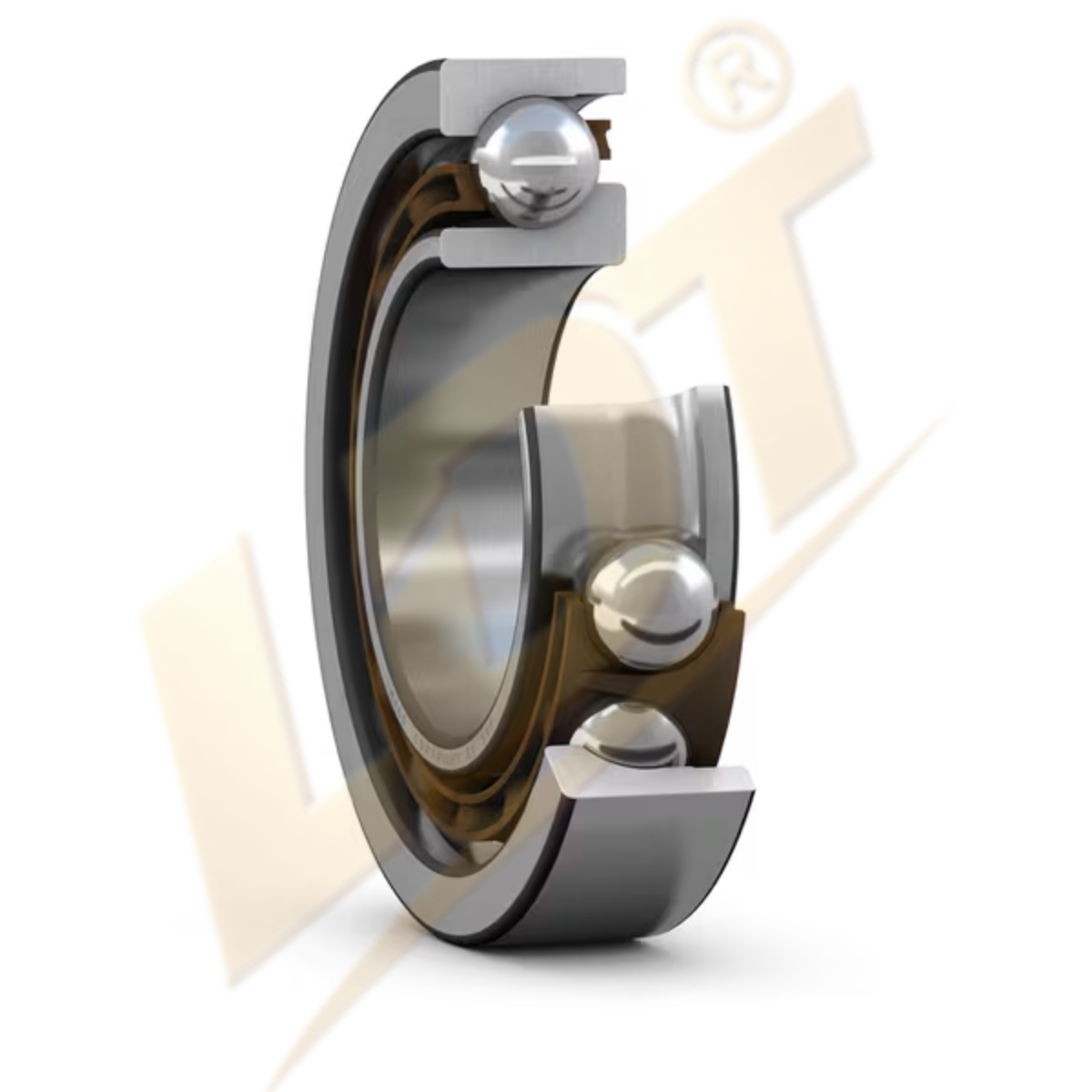
High-precision angular contact ball bearings

Selected code

71910 ACD/P4A

Bore diameter - d50 mm
Outside diameter - D72 mm
Width - B12 mm

LDT will confirm price, stock and delivery time when the request is received.

Detailed technical content

More than a “more accurate” standard bearing

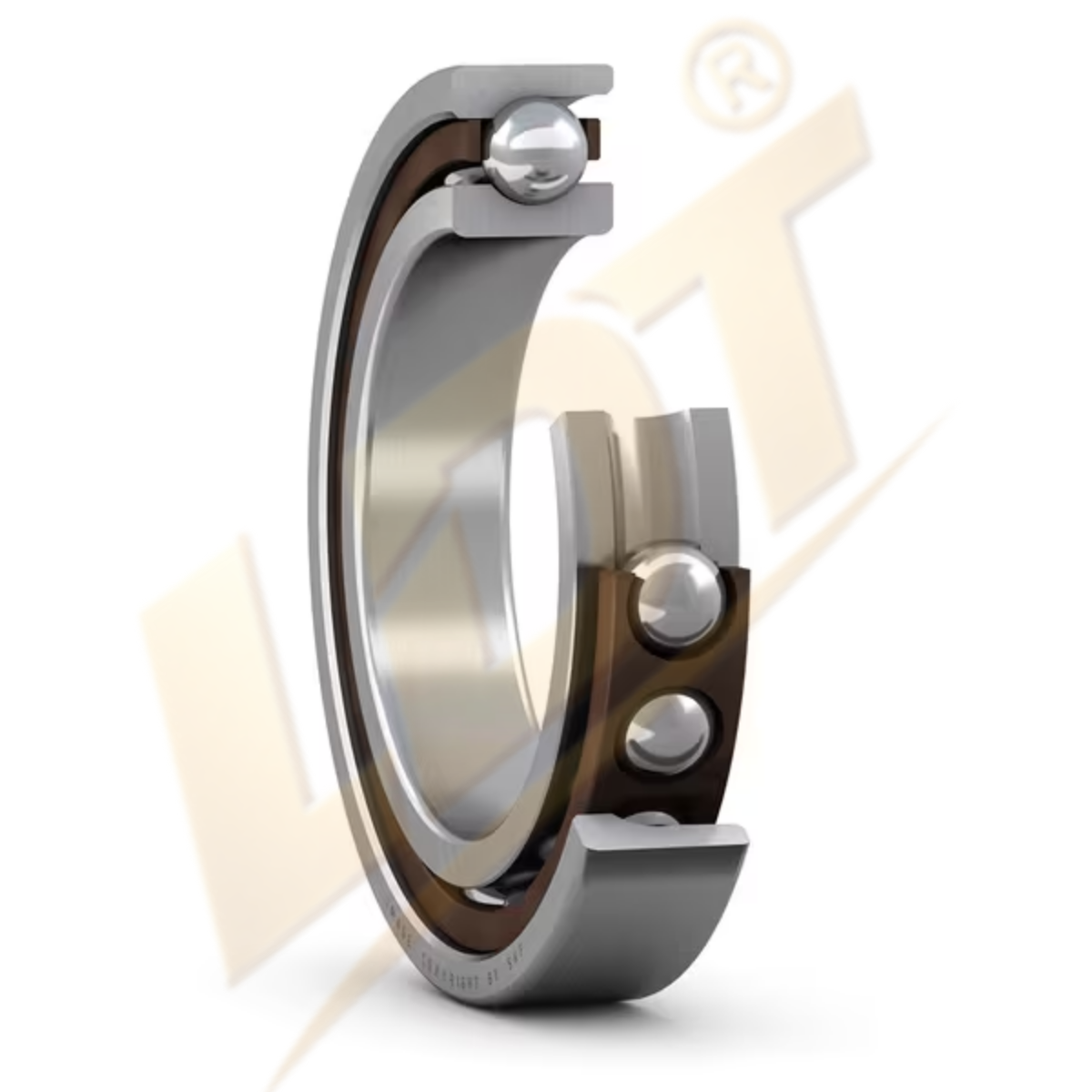
High-precision angular contact ball bearings are designed to control runout, rigidity, friction, heat and high-speed capability at the same time. In addition to the accuracy class, internal geometry, contact angle, ball material, cage and preload all affect spindle behavior.

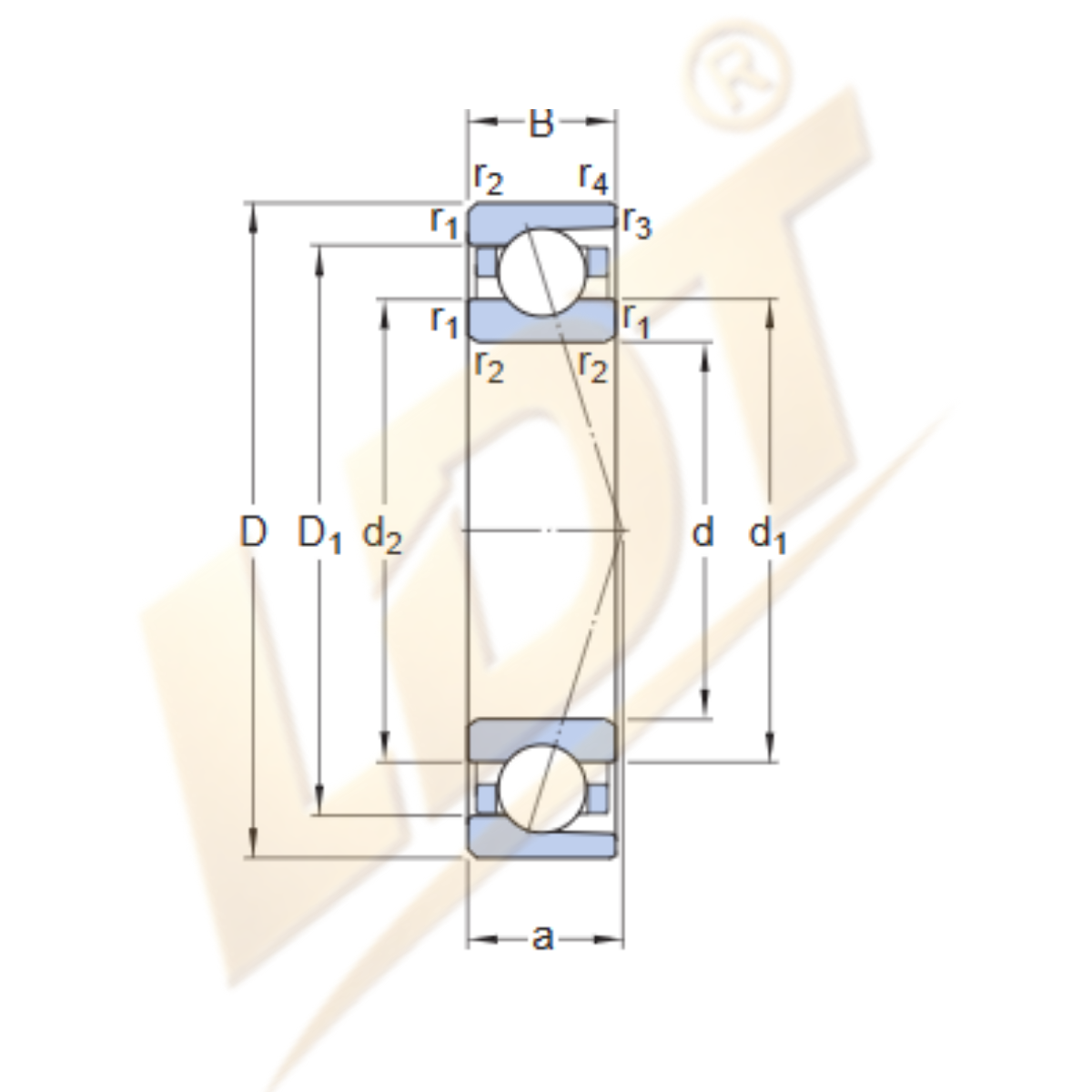
Different product series may prioritize load or speed. A smaller contact angle is generally more favorable for speed, while a larger angle increases axial load capacity and axial rigidity. Many designations are designed for matched sets and have a specified preload class.

Preload and matched sets

In a spindle, preload increases rigidity and controls shaft position, but it also increases friction and heat. Therefore, do not change the preload class or combine bearings that were not designed to be matched. Back-to-back, face-to-face and tandem arrangements are selected according to the required load and rigidity.

When replacing a designation

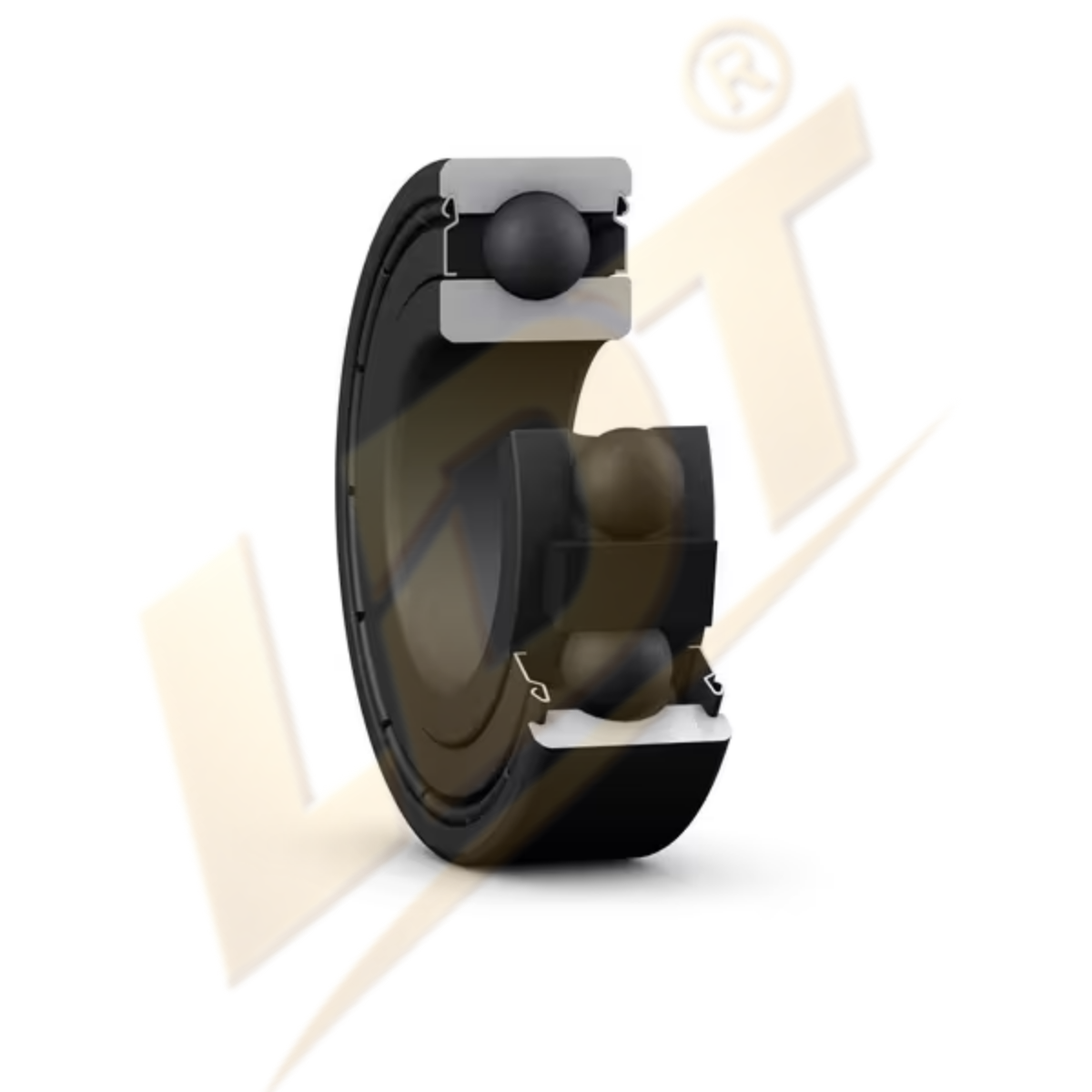
In addition to the three basic dimensions, match the product series, contact angle, accuracy class, high-speed/high-load design, preload, steel-ball or hybrid-ceramic-ball configuration, and open/sealed arrangement. On a high-speed spindle, a different suffix can significantly change the permitted temperature and speed.
FAQ

Frequently asked questions

P4 và P4A có phải là cùng một cấp chính xác không?

Không nên coi các ký hiệu này là hoàn toàn tương đương. Chúng thuộc hệ thống dung sai/độ chính xác của nhà sản xuất và có thể đi kèm các yêu cầu bổ sung về độ đảo hoặc đặc tính dùng cho trục chính. Khi thay thế cần đối chiếu tài liệu kỹ thuật và bảng tương đương chính thức.

Có thể thay một vòng bi trục chính bằng loại cùng kích thước nhưng tải đặt trước khác không?

Không nên. Tải đặt trước ảnh hưởng trực tiếp đến độ cứng, nhiệt, ma sát và tuổi thọ của trục chính. Thay đổi cấp tải đặt trước có thể làm đặc tính làm việc của toàn cụm trục khác đi dù kích thước không thay đổi.

Góc tiếp xúc lớn hơn có luôn tốt hơn cho trục chính không?

Không. Góc lớn hơn thường tăng khả năng chịu tải dọc trục, nhưng thiết kế ưu tiên tốc độ có thể dùng góc nhỏ hơn. Lựa chọn phải cân bằng tải, tốc độ, độ cứng và nhiệt của trục chính.

Vòng bi dùng bi gốm lai có thể thay trực tiếp vòng bi bi thép không?

Không nên chỉ dựa trên kích thước. Bi ceramic làm thay đổi khối lượng phần tử lăn, ma sát và đặc tính ở tốc độ cao. Nếu đổi sang hoặc từ thiết kế dùng bi gốm lai, cần kiểm tra mã sản phẩm đầy đủ, tải đặt trước và khuyến nghị của nhà sản xuất cho trục chính cụ thể.

News about Bearings