Detailed technical content
More than a “more accurate” standard bearing
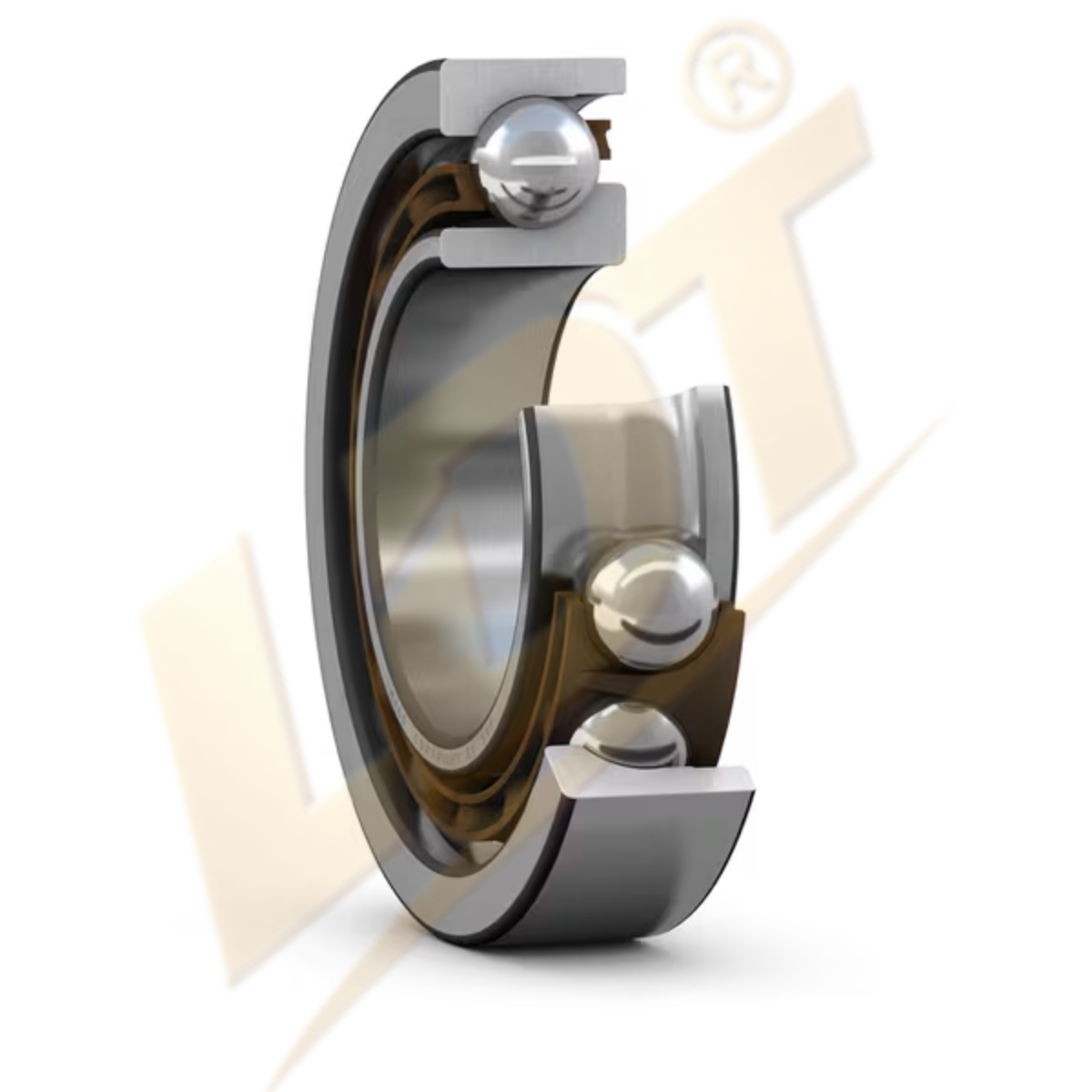
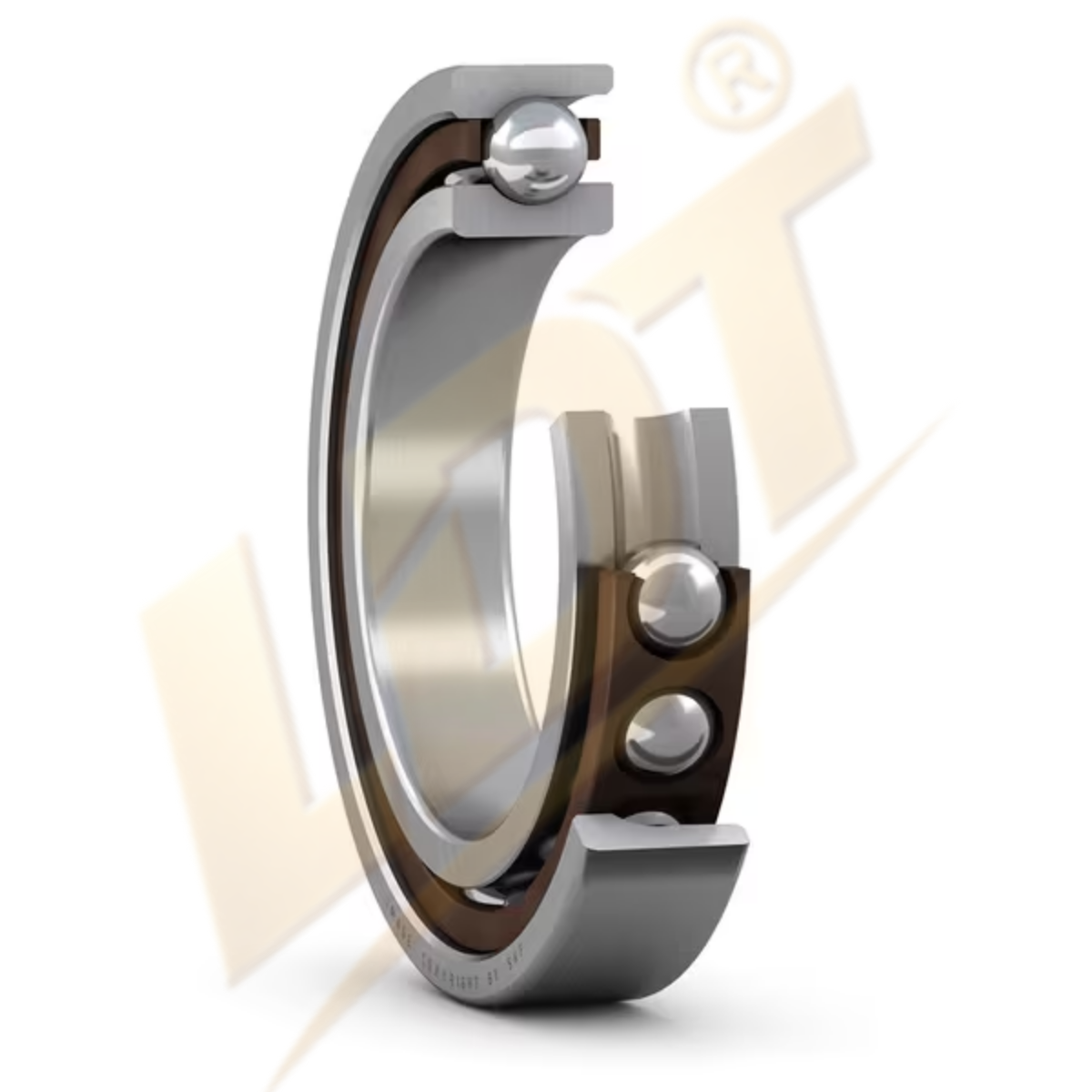
High-precision angular contact ball bearings are designed to control runout, rigidity, friction, heat and high-speed capability at the same time. In addition to the accuracy class, internal geometry, contact angle, ball material, cage and preload all affect spindle behavior.
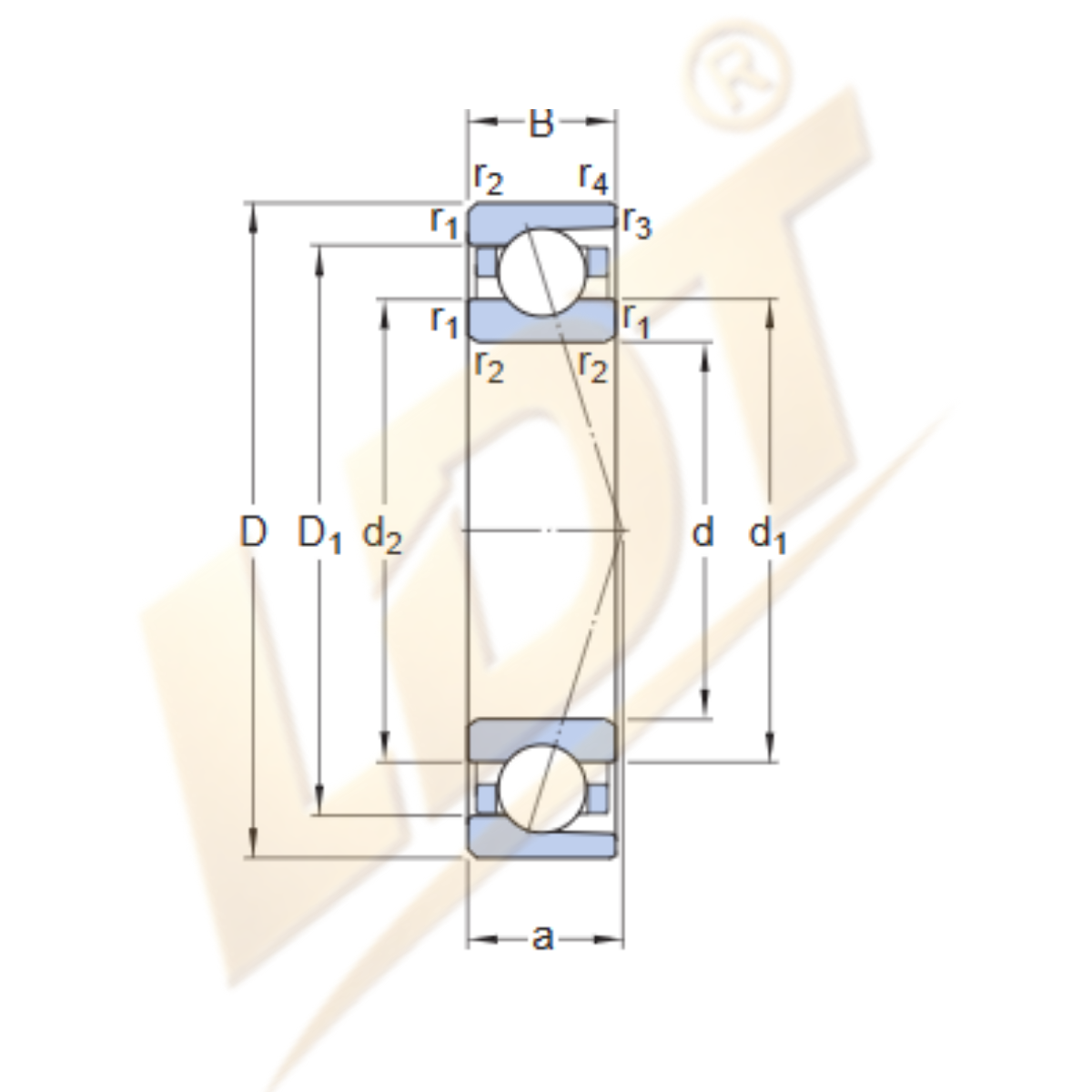
Different product series may prioritize load or speed. A smaller contact angle is generally more favorable for speed, while a larger angle increases axial load capacity and axial rigidity. Many designations are designed for matched sets and have a specified preload class.
Preload and matched sets
In a spindle, preload increases rigidity and controls shaft position, but it also increases friction and heat. Therefore, do not change the preload class or combine bearings that were not designed to be matched. Back-to-back, face-to-face and tandem arrangements are selected according to the required load and rigidity.
When replacing a designation
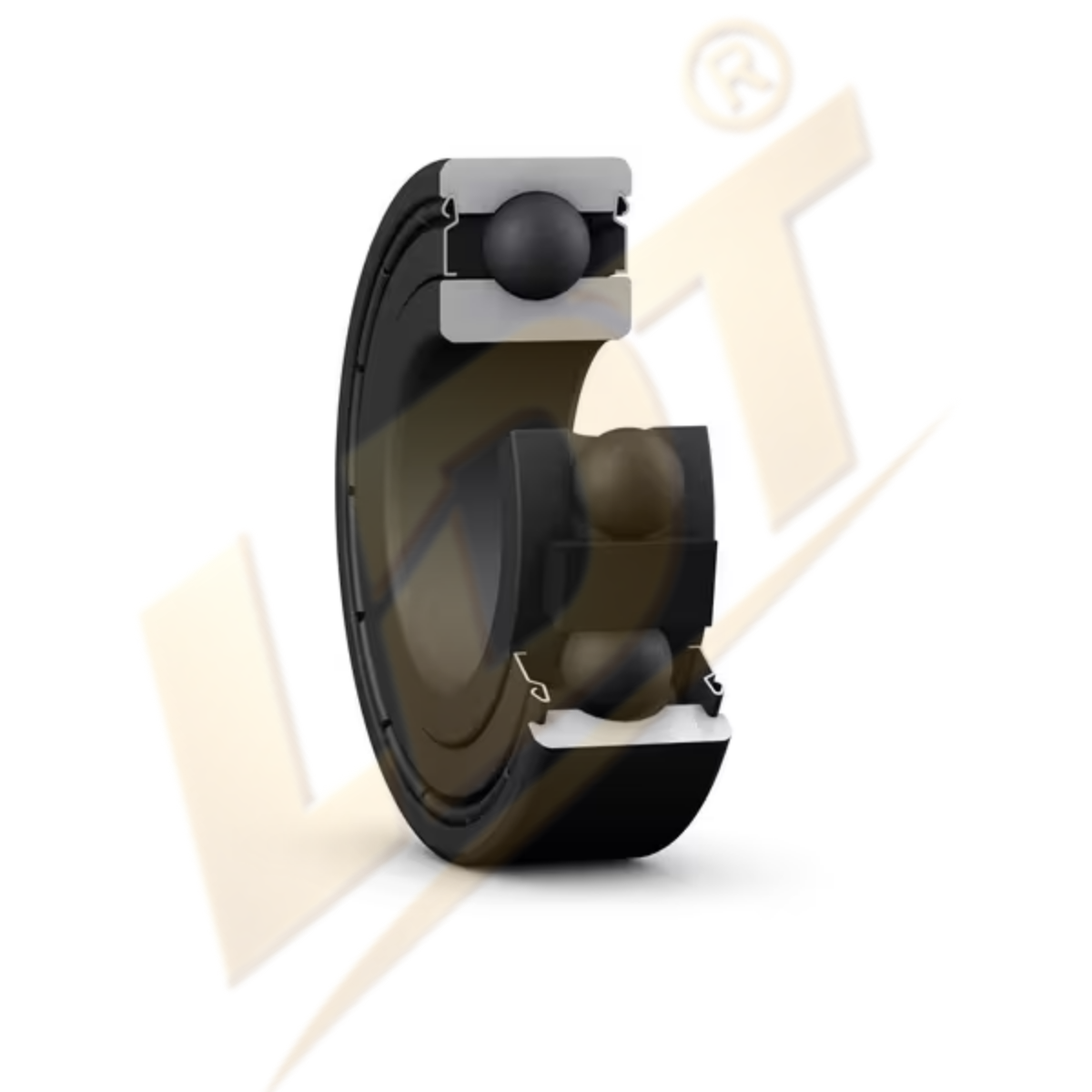
In addition to the three basic dimensions, match the product series, contact angle, accuracy class, high-speed/high-load design, preload, steel-ball or hybrid-ceramic-ball configuration, and open/sealed arrangement. On a high-speed spindle, a different suffix can significantly change the permitted temperature and speed.