1. Heat-resistant bearings – high temperature is the silent enemy of bearings
In heavy industries such as steel, cement, thermal power, furnaces, dryers and clinker conveyors, ambient temperatures can reach 200–300°C or even higher. These conditions are extremely demanding for bearings and lubrication systems.Standard bearings used in this environment quickly experience:
- Burned lubricant and loss of performance
- Changes in internal bearing clearance
- Surface oxidation of components
- Severely reduced service life
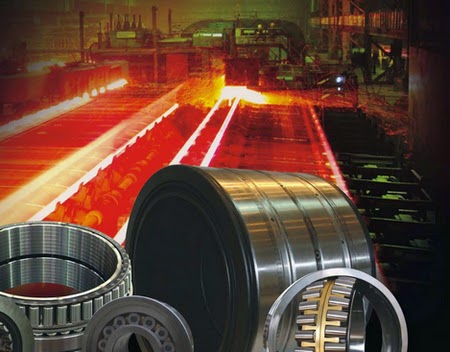
2. How are heat-resistant bearings different from standard bearings?
Heat-resistant bearings are specially designed with:
- Bearing steel receiving special heat treatment
- Larger internal clearance to compensate for thermal expansion
- A cage structure capable of withstanding high temperature
- Special high-temperature lubricant
As a result, they operate reliably across temperature ranges that standard bearings cannot handle.
3. Locations where heat-resistant bearings are essential
Many factories still try to use standard bearings in high-temperature locations to save initial costs. Over the long term, however, this becomes extremely expensive.Locations where heat-resistant bearings should be considered:
- Clinker-conveyor bearing housings
- Furnace fans and hot-air exhaust fans
- Dryer rollers
- Slag conveyors
- Bearings near combustion chambers

4. The economics of selecting the right bearing
Assume that:
- A standard bearing costs 30% less
- But its service life is only one third that of a heat-resistant bearing
When replacement, labor, downtime and production risks are included, heat-resistant bearings are clearly more advantageous over the long term.Therefore, bearing selection is not only about purchase price; it is a total cost of ownership (TCO) decision.
5. Conclusion
In high-temperature environments, using the correct bearing is not a choice but a mandatory requirement for reliable operation. The sooner a business recognizes this, the more it can save over the long term.