Converting from Hydrodynamic Plain Bearings to SKF Rolling Bearings: Benefits and Applications
SKF solutions and engineering capabilities enable conversion from hydrodynamic plain bearings to higher-performance rolling-bearing systems that save energy and optimize operating costs.
1. Overview: The Need to Convert to Rolling Bearings
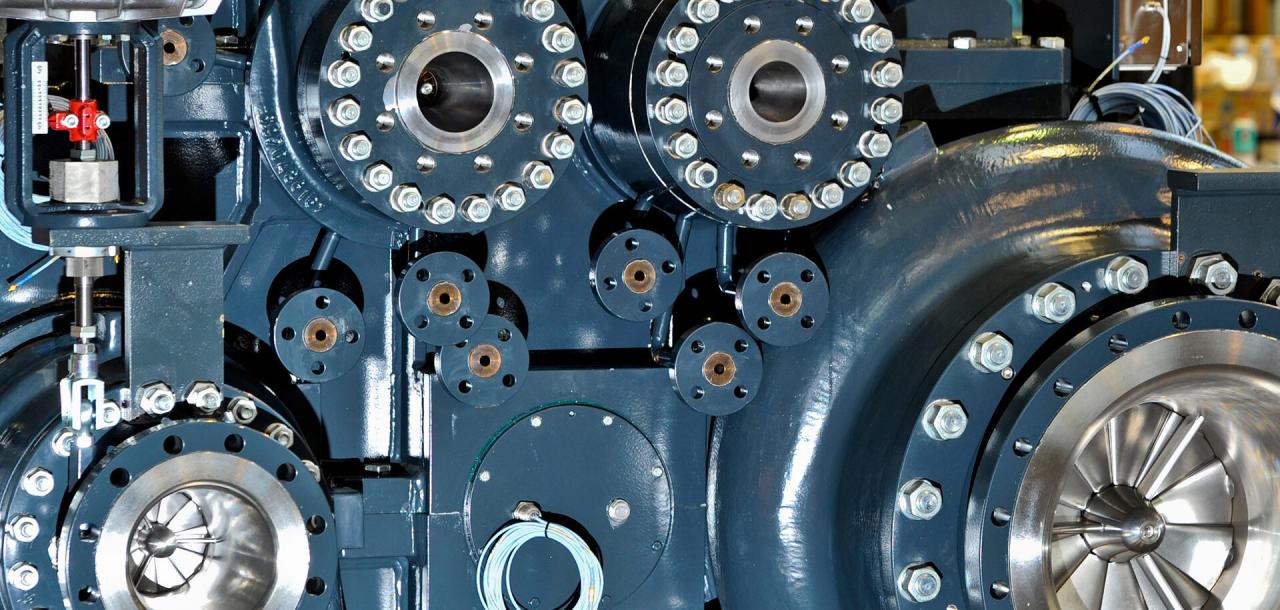
Energy efficiency and resource conservation are major topics in industrial production. Despite technological progress, rotating equipment such as compressors, turbines, fans and pumps still wastes substantial energy through mechanical friction and hydrodynamic losses. Replacing hydrodynamic plain bearings with modern rolling bearings can deliver significant energy and cost savings.
2. Hydrodynamic Plain Bearings versus Rolling Bearings
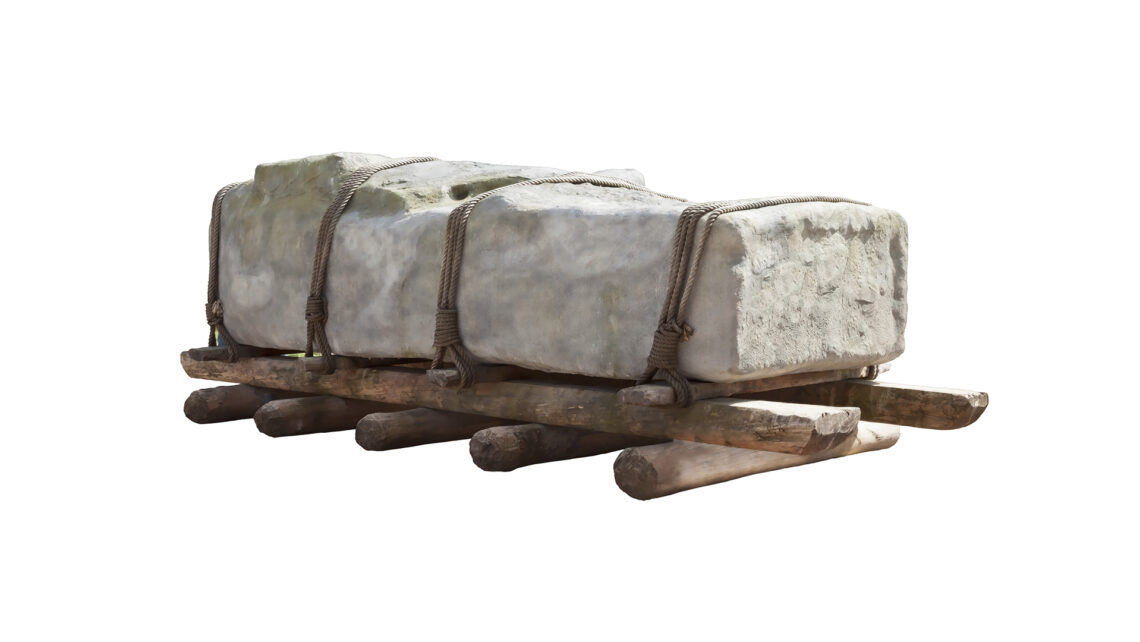
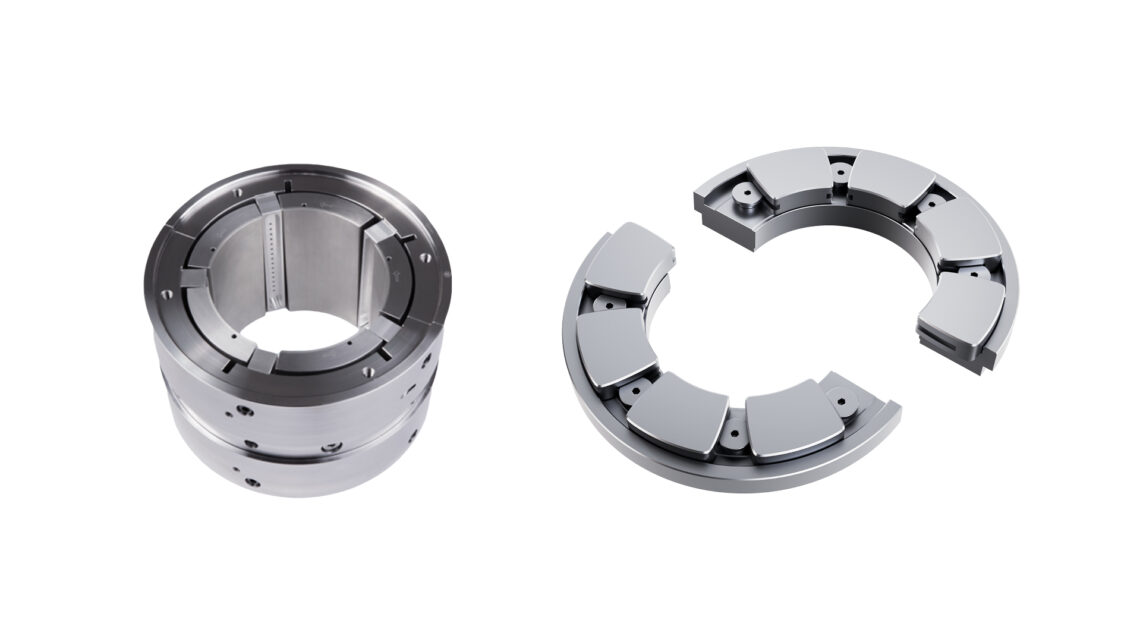
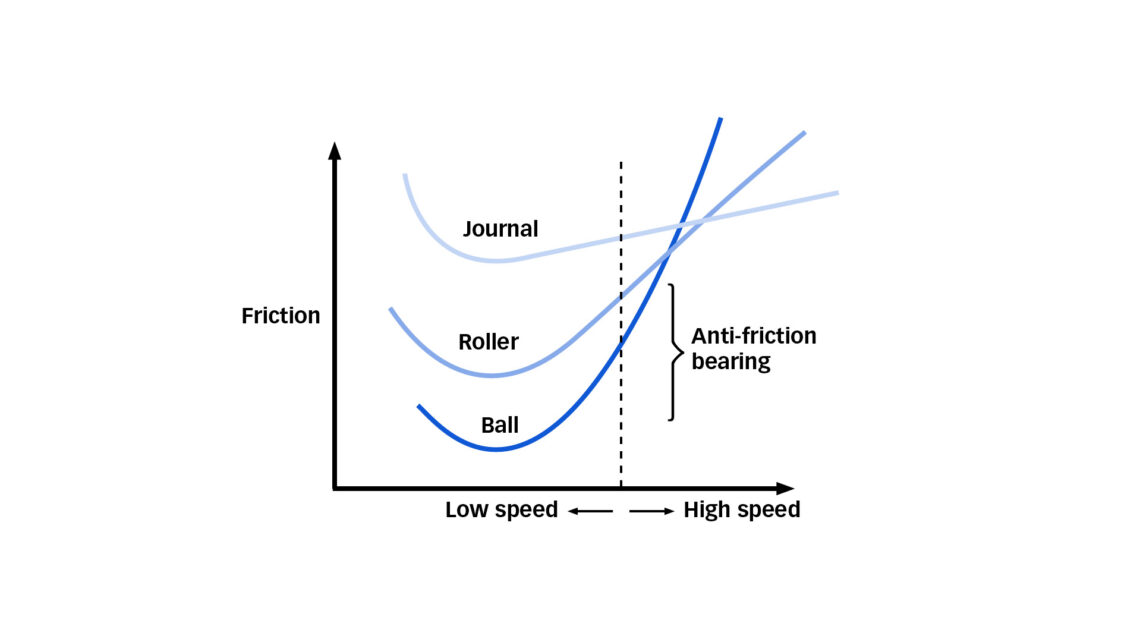
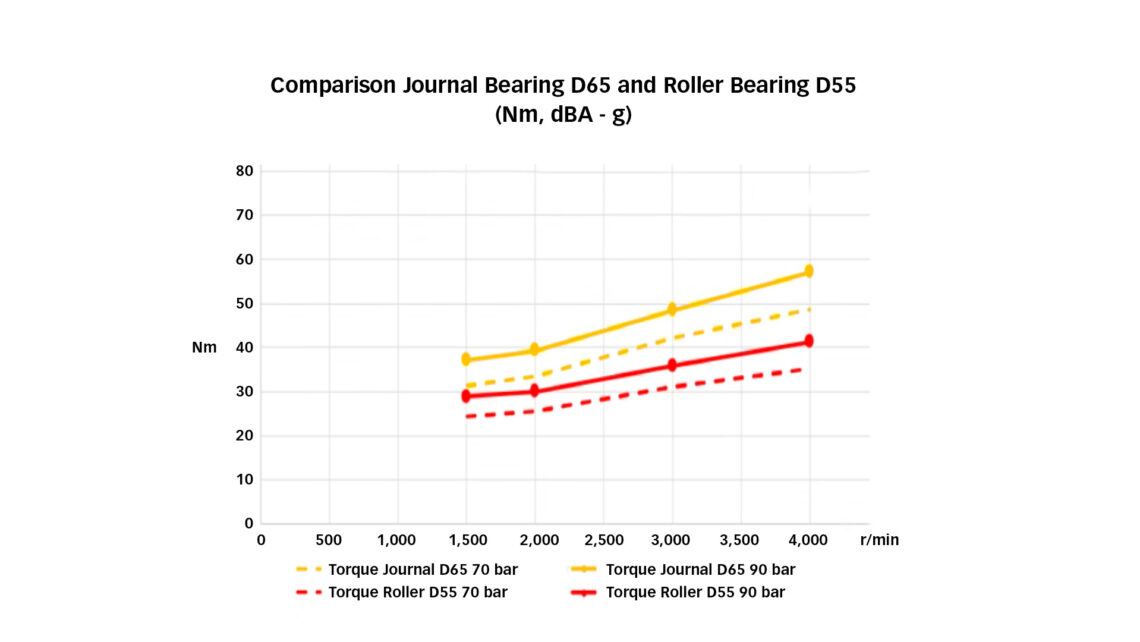
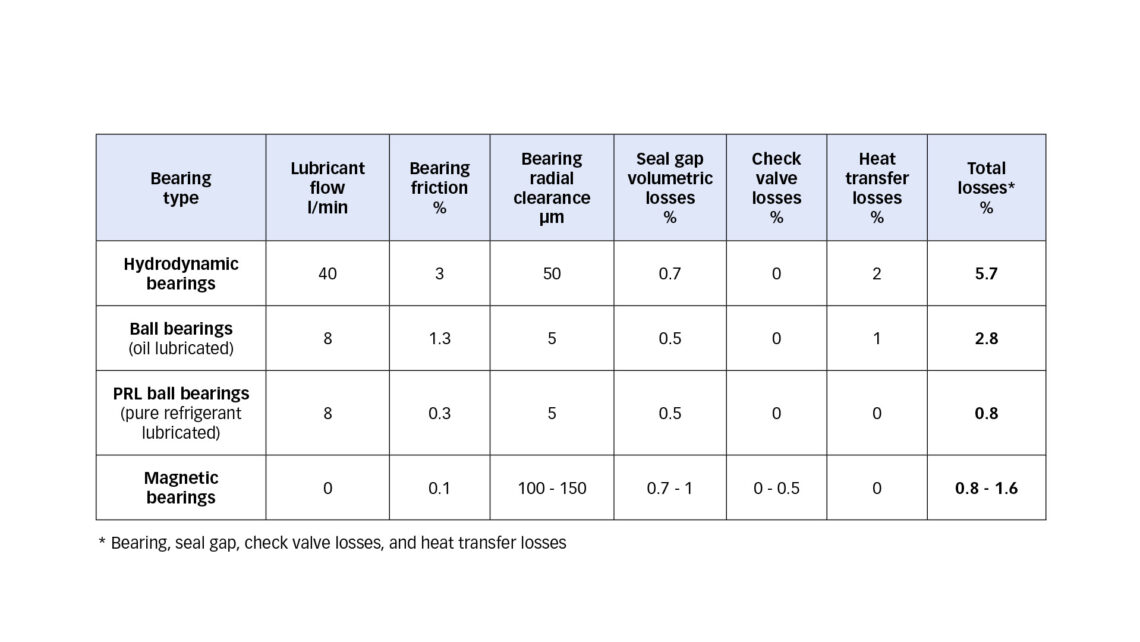
Hydrodynamic plain bearings rely on an oil film to separate the rotating shaft from the stationary bearing. They provide good wear resistance and vibration damping but require high oil flow, are vulnerable to wear during frequent starts and stops, make clearance control difficult and consume considerable oil-pumping energy.
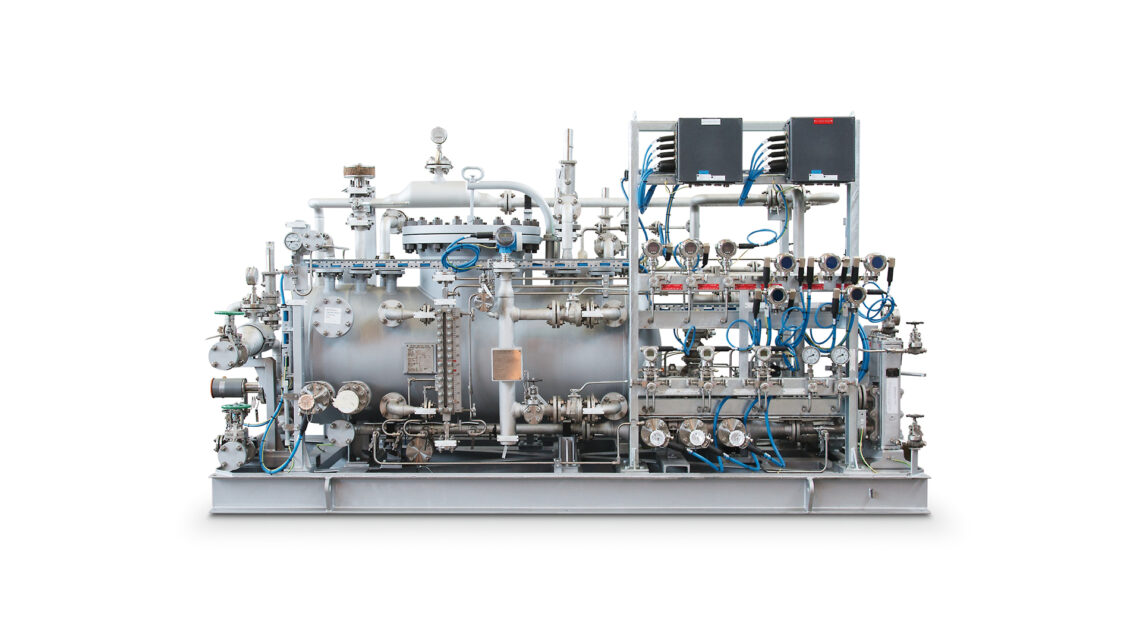
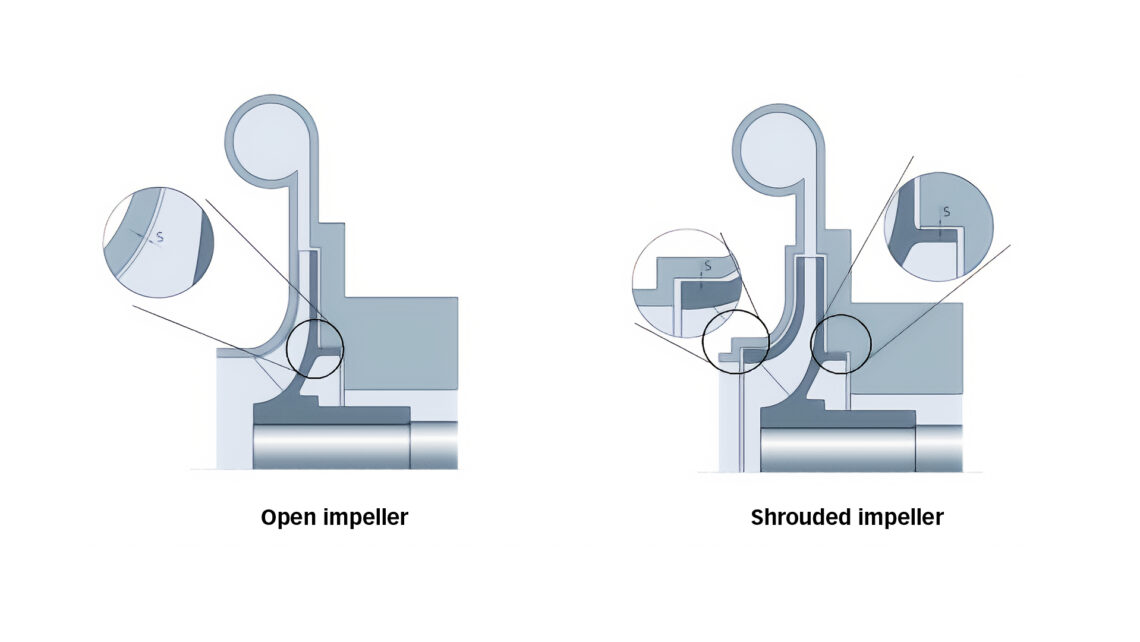
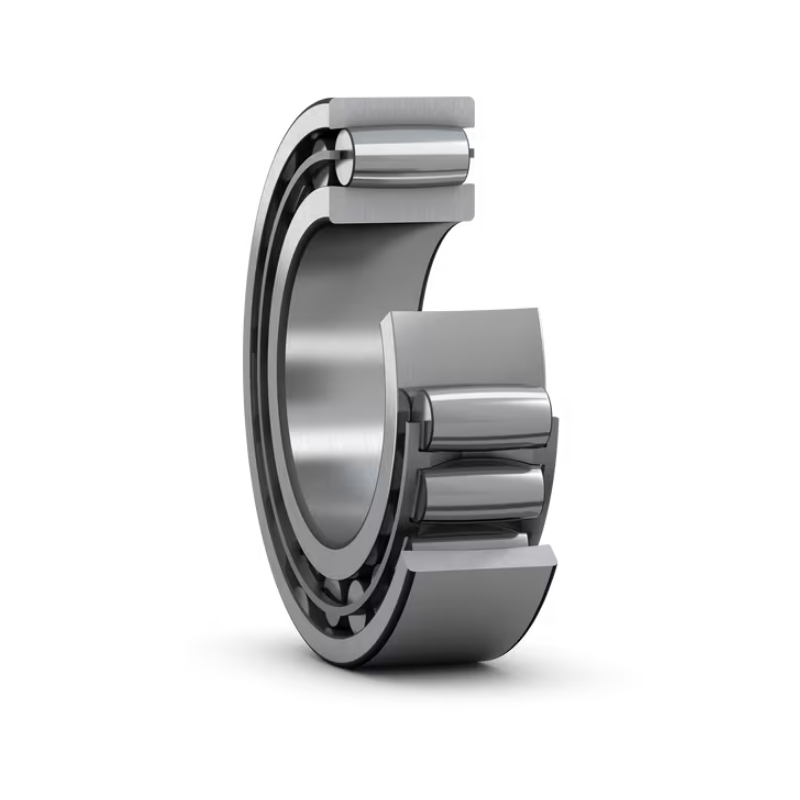
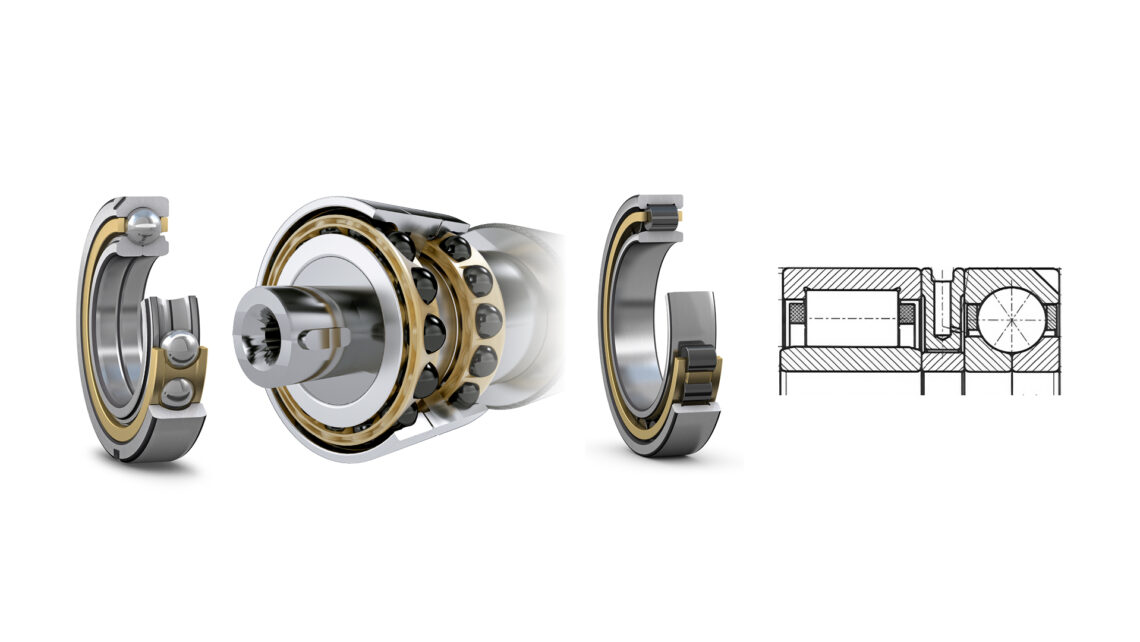
Rolling bearings position the shaft accurately using an extremely thin lubricant film, commonly 1-3 microns. They minimize lubrication-oil volume and allow very small shaft-end clearances below 50 microns, reducing flow losses and improving operating efficiency.
3. Practical Applications: Automotive, Renewable Energy and Industrial Refrigeration
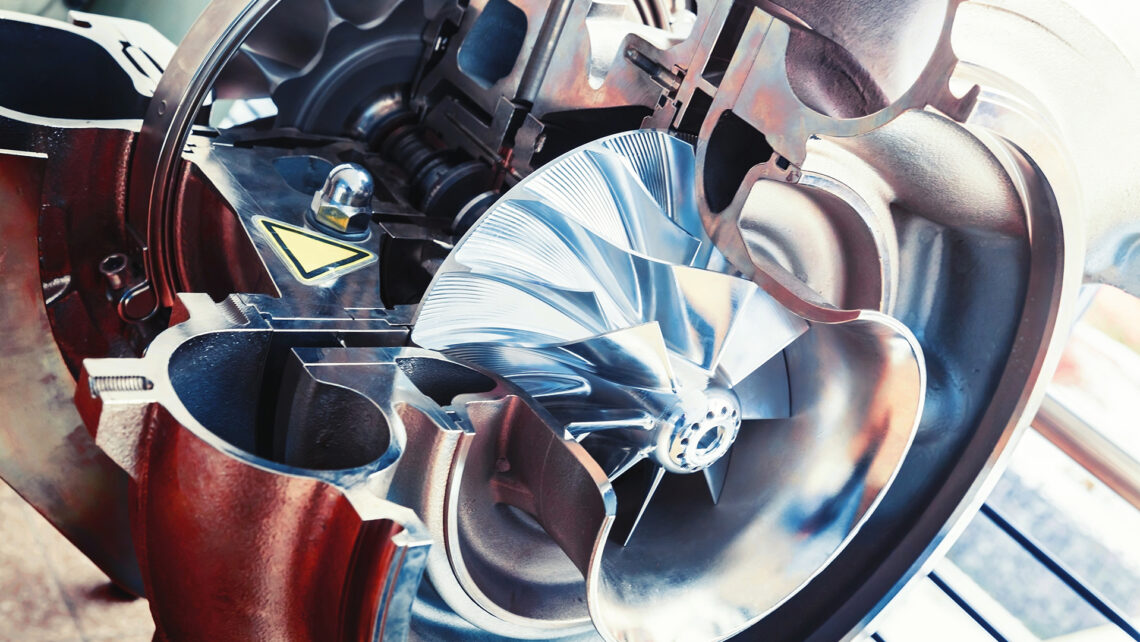
- Turbochargers and crankshafts: Rolling bearings, especially hybrid ceramic types, reduce friction and improve turbocharger performance in sports cars and high-performance engines.
- Geothermal power plants: Converting a screw expander from plain to rolling bearings improves efficiency and saves millions of kWh annually.
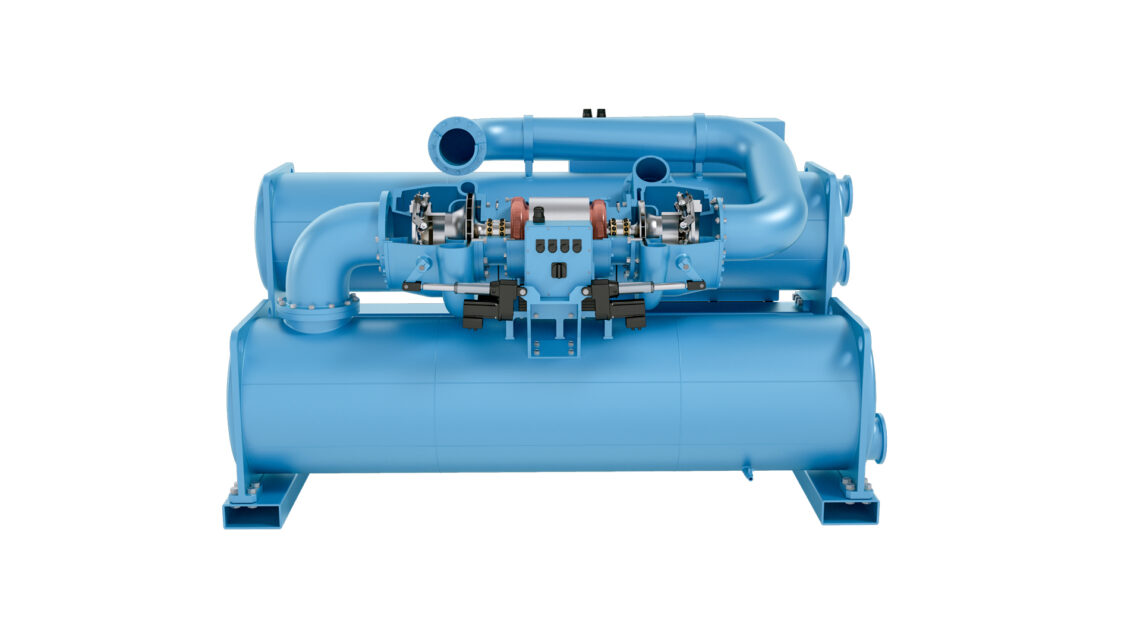
- Chillers and heat pumps: SKF rolling bearings improve efficiency by 3-4% and reduce electricity and maintenance costs, particularly with environmentally considerate refrigerants.

4. Key Benefits of Converting to SKF Rolling Bearings
- Accurate shaft positioning, smaller shaft-end clearances and lower volumetric losses.
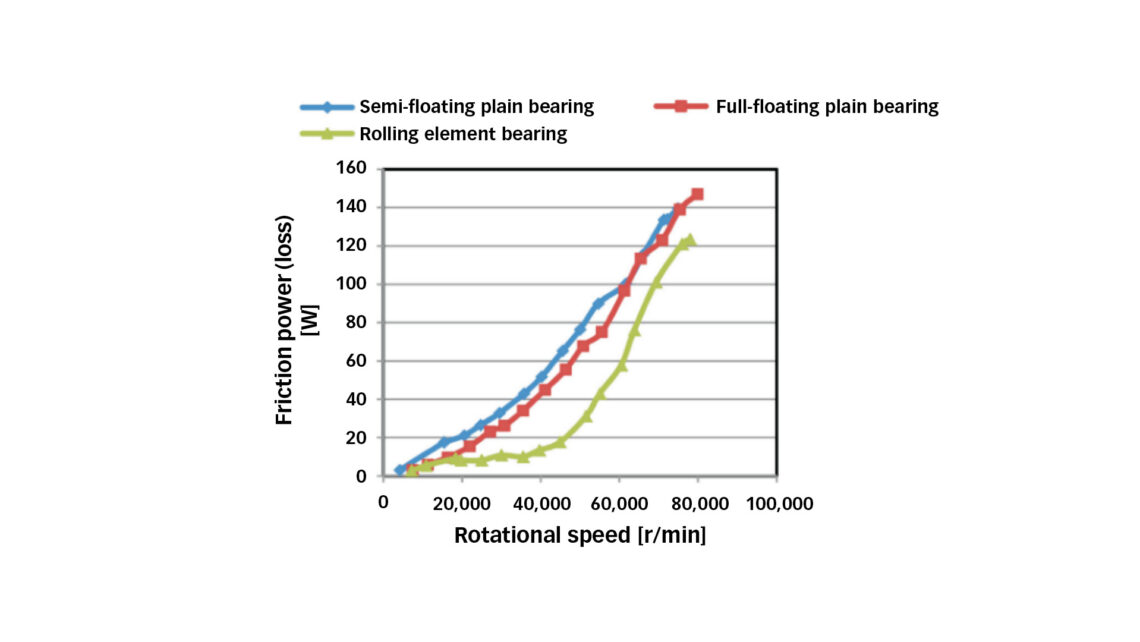
- Lower operating friction and energy consumption.
- Good operation during frequent starts and stops and at low VFD speeds.
- Compatibility with low-viscosity lubricant, even when heavily diluted.
- Up to 90% less lubrication oil, reducing oil-system cost and maintenance.
- Simpler bearing arrangements and lower total system cost.
- Easy accommodation of combined loads and significant misalignment.
5. Ideal Applications
- Pumps, compressors, industrial fans, turbines, refrigeration equipment and renewable-power systems.
- Continuously operating machinery requiring energy savings and reduced maintenance.
- Equipment requiring highly accurate shaft positioning, high speed or heavy load capacity.
6. Conclusion and References
Converting hydrodynamic plain bearings to SKF rolling bearings saves energy, improves efficiency and lowers maintenance and operating costs, supporting sustainable development in modern industry.
[1] J/E Bearing & Machine Ltd., Plain or Rolling Bearings – Which is Best?
[2] Vanhaelst R, Kheir A, Czajka J, A Systematic Analysis of the Friction Losses on Bearings of Modern Turbocharger
[3] Morales G E, Hauleitner R, Wallin H H, Pure Refrigerant Lubrication Technology in Oil-Free Centrifugal Compressors
[4] SKF GBLM – A New Rating Life Model Applied to Hybrid Bearings
View the complete English report: Progress and challenges in rolling bearing technology for compressors in industrial heat pumps
LDT is proud to be a major SKF partner. In addition to supplying genuine products, LDT sales engineers provide advice and optimized technical solutions.
Contact LDT using the information below for advice and special offers.
===================================
Address: 121-123 To Hieu Street, Nguyen Trai Ward, Ha Dong District, Hanoi, Vietnam
Sales hotline: Ms Phuong: 0376286968
Facebook page:https://www.facebook.com/BoitroncongnghiepSKF?ref=embed_page
#LDT#SKF