Detailed technical content
Select an O-Ring by more than its diameter
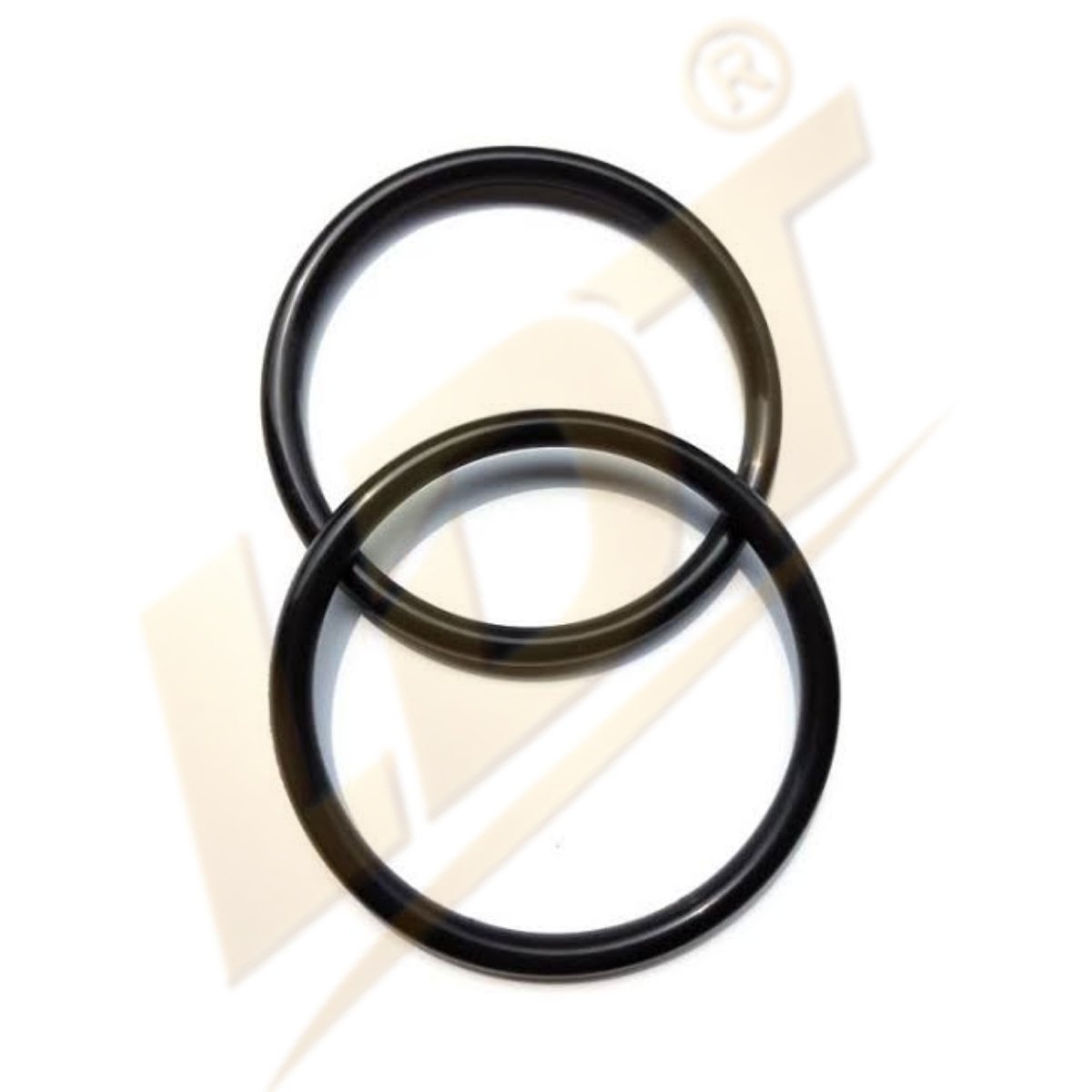
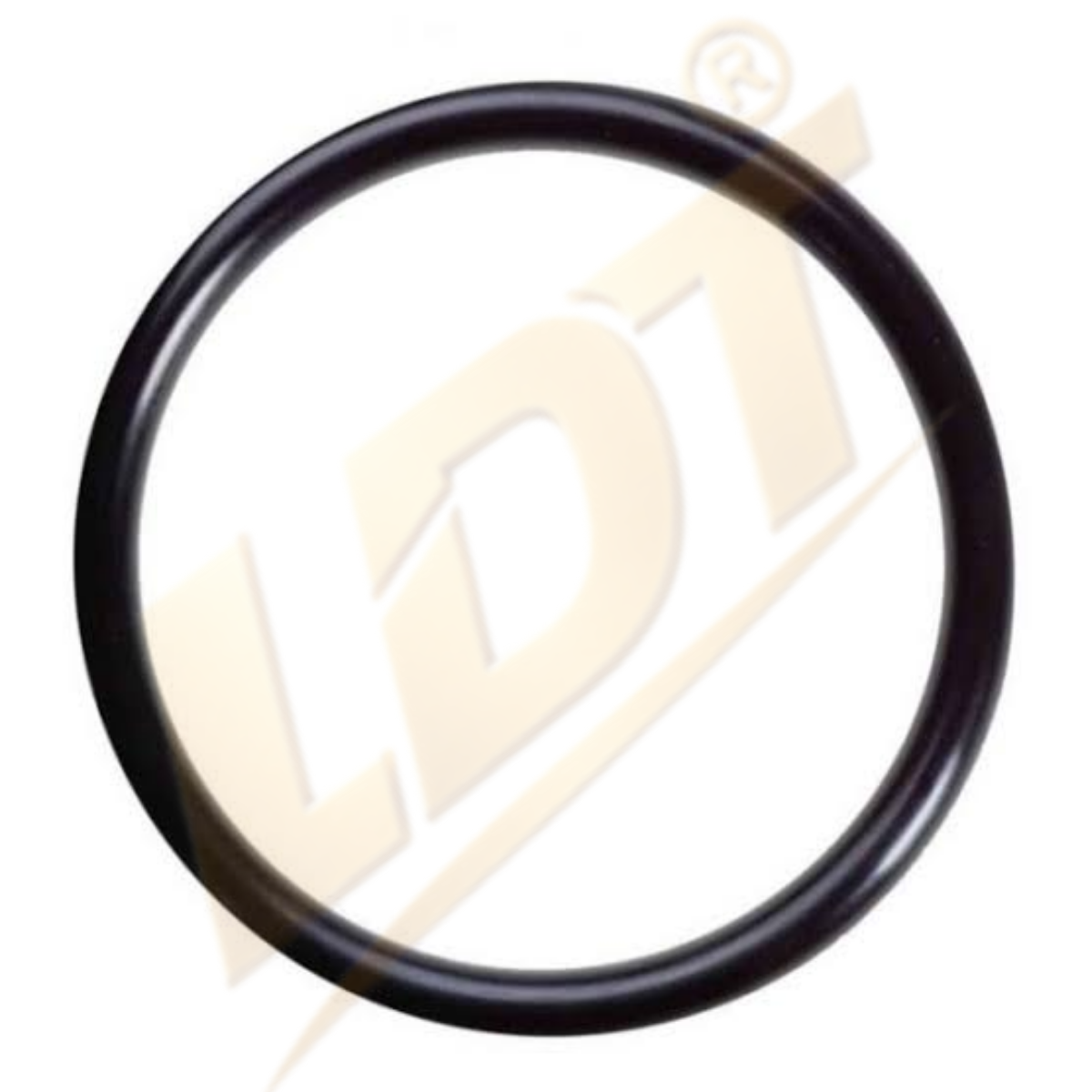
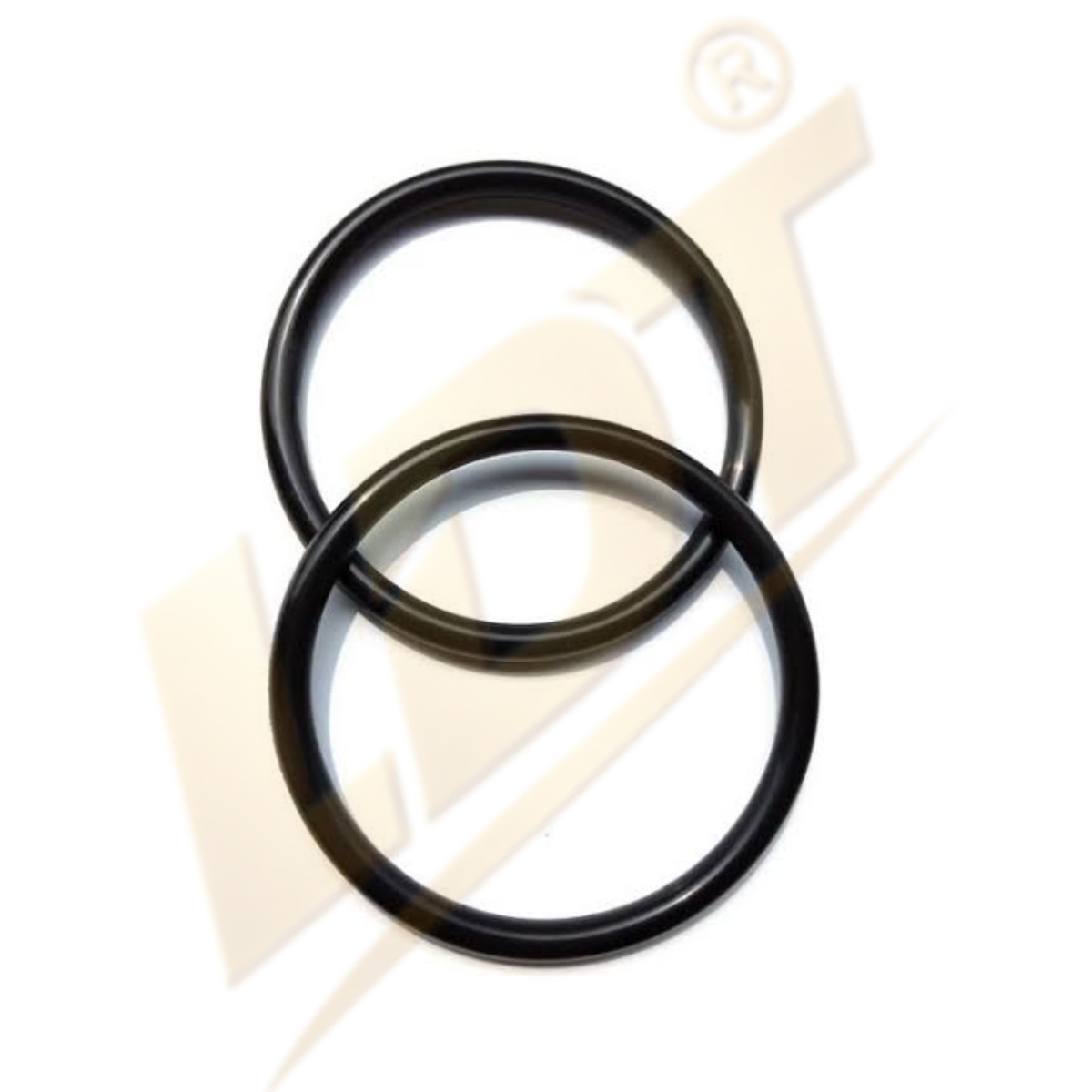
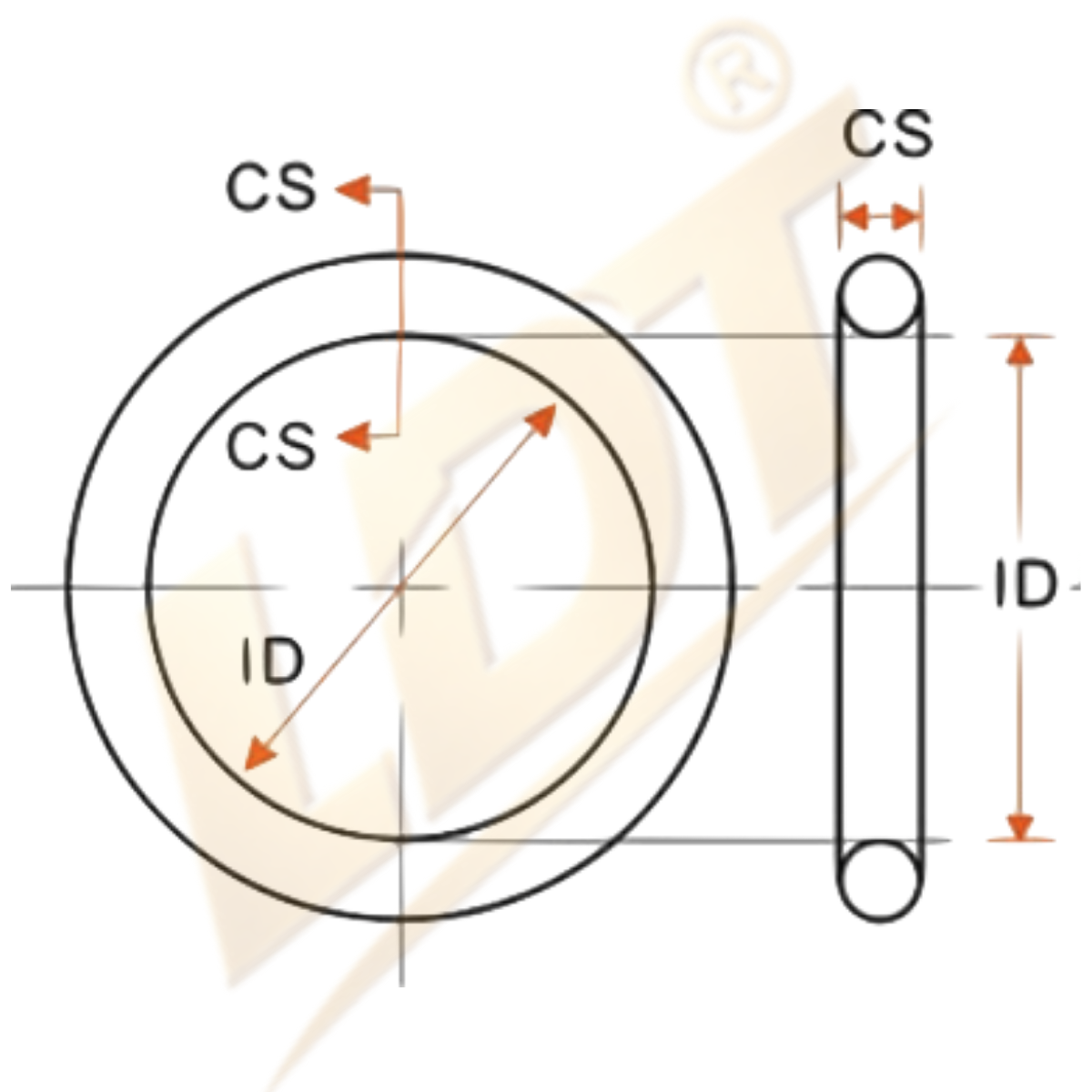
An O-Ring is normally identified first by its inside diameter and cross-sectional diameter, but these two dimensions are not enough to determine whether it is suitable. Once installed, the O-Ring cross-section must be compressed appropriately in the groove to create sealing force, while the groove must retain enough volume for the ring to deform under pressure or temperature changes.
If the groove is too tight, the O-Ring may be over-compressed, increasing friction or causing premature damage. If compression is too low, initial sealing capability decreases and leakage becomes more likely. When replacing an O-Ring in a machine assembly, retain both the correct ring dimensions and groove geometry rather than measuring only one outside diameter.
Material determines compatibility with the medium and temperature
O-Rings are available in many elastomer materials. DEDE lists options including NBR, FKM, VMQ and EPDM; each has a different range of chemical compatibility, temperature capability, elasticity and ageing resistance.
An O-Ring with the correct dimensions but the wrong material may therefore swell, harden, crack or lose elasticity when exposed to the actual medium. If the material of the old ring is unknown, identify the oil/fluid/gas type, temperature and operating conditions before selecting the replacement material.
Static and dynamic applications require different groove conditions
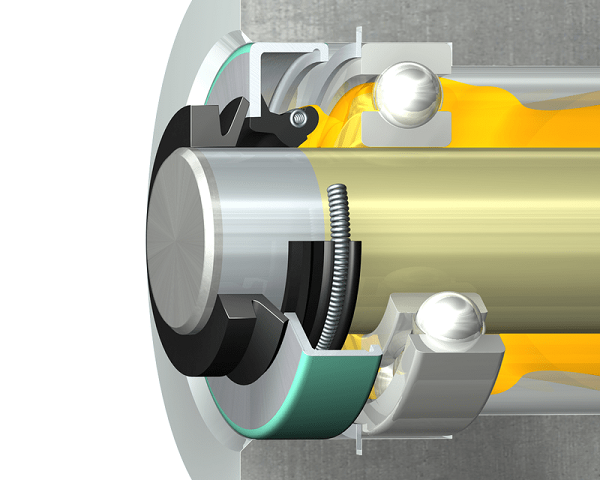
O-Rings can be used in static joints and some moving mechanisms, but dynamic applications require closer control of compression, contact surface, lubrication, speed and clearance. An O-Ring that performs well in a static flange joint should not automatically be assumed suitable under the same conditions in a moving piston or shaft.