OR

599 product code

OR

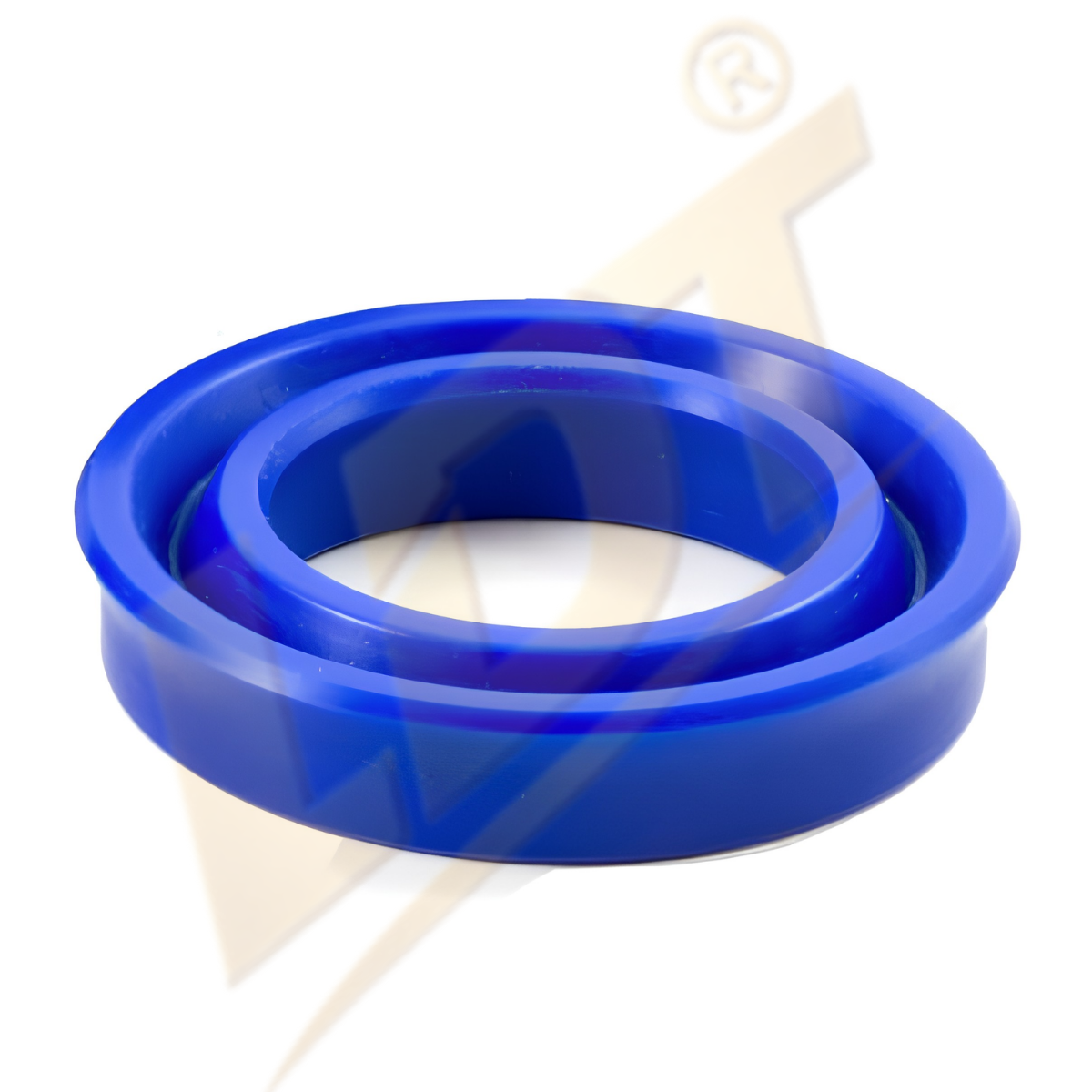
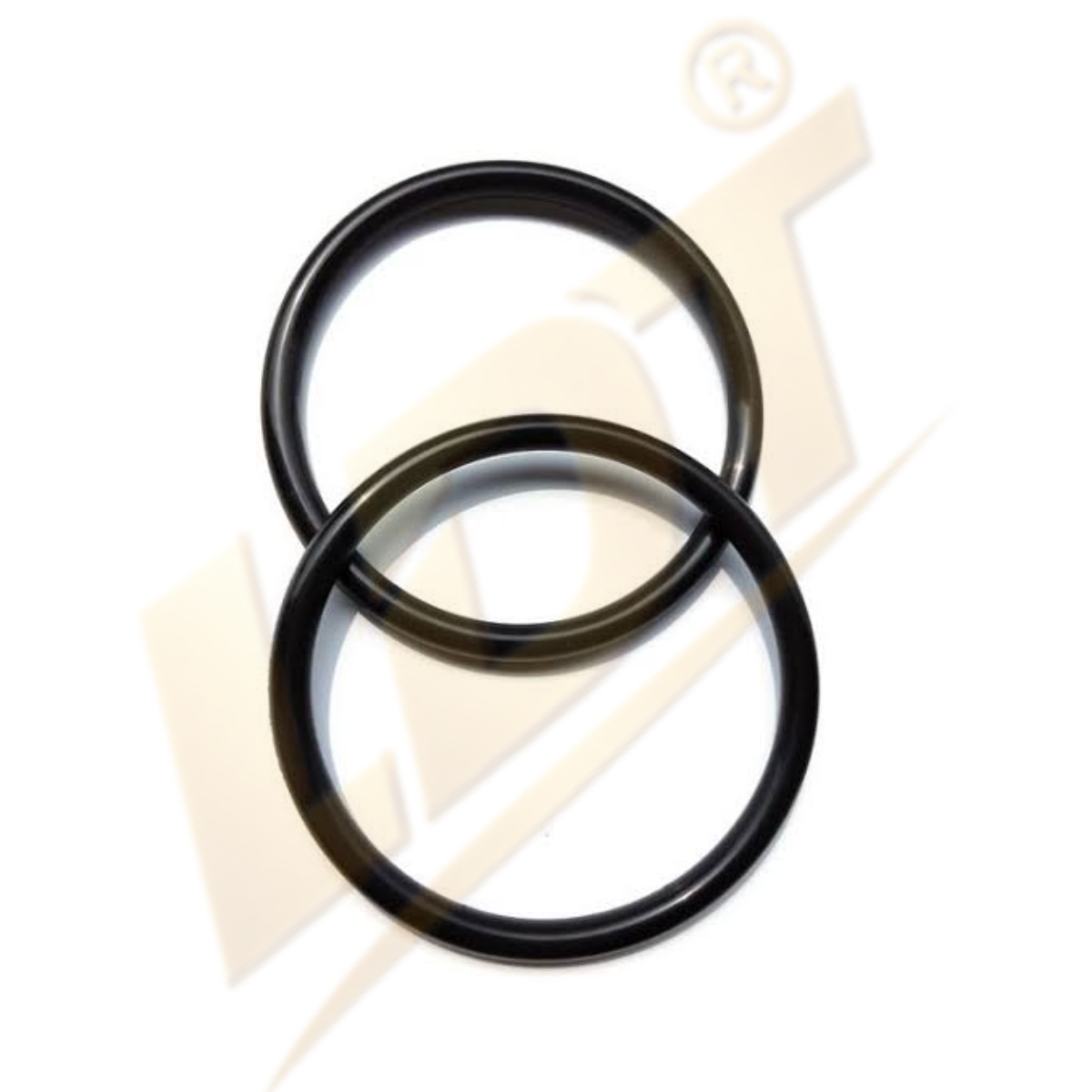
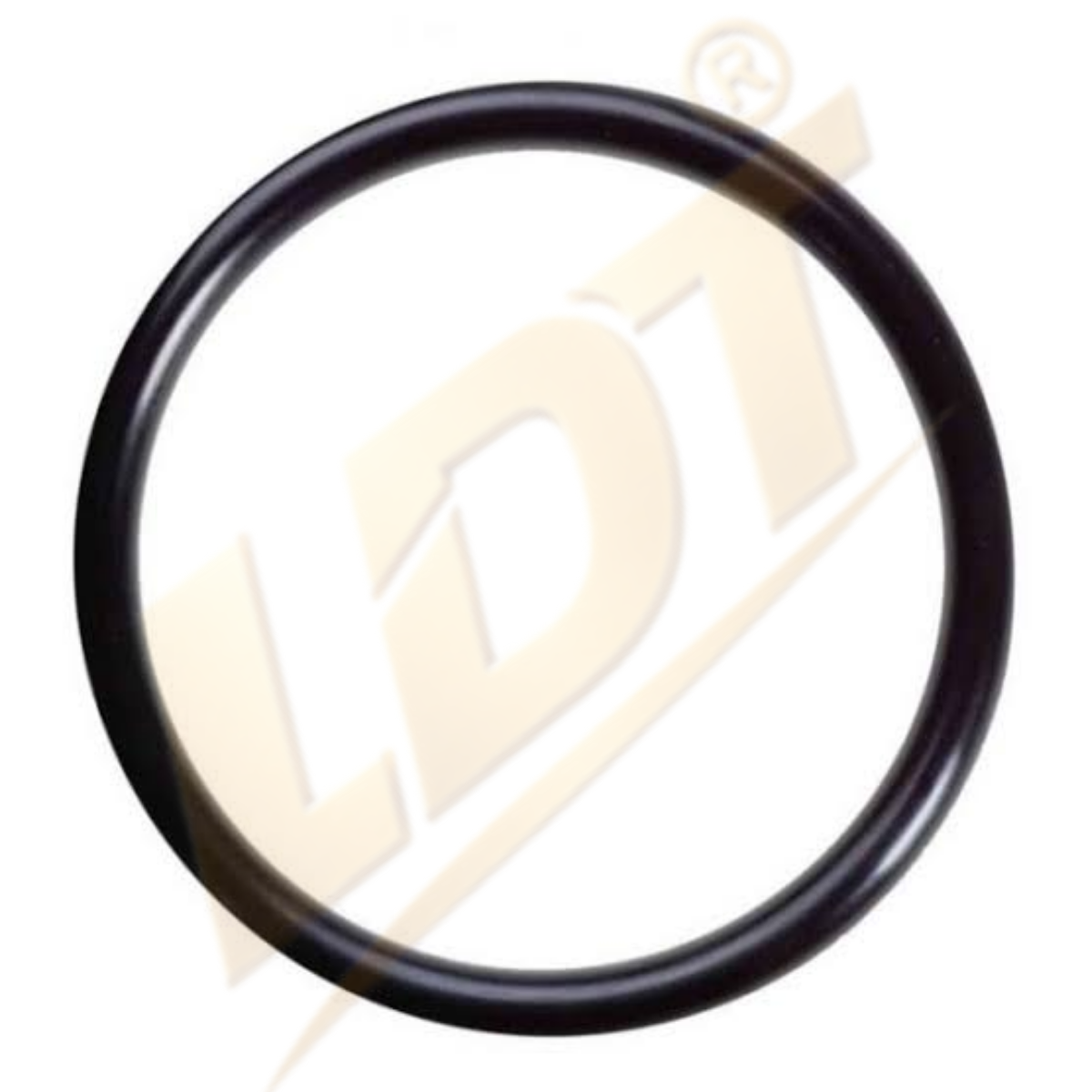
OR is a sealing component for controlling lubricant leakage and limiting contamination at the mounting position. Confirm size, material and operating conditions before selection.

Loading product code list…

Selected code

OR 255X3.5 NBR

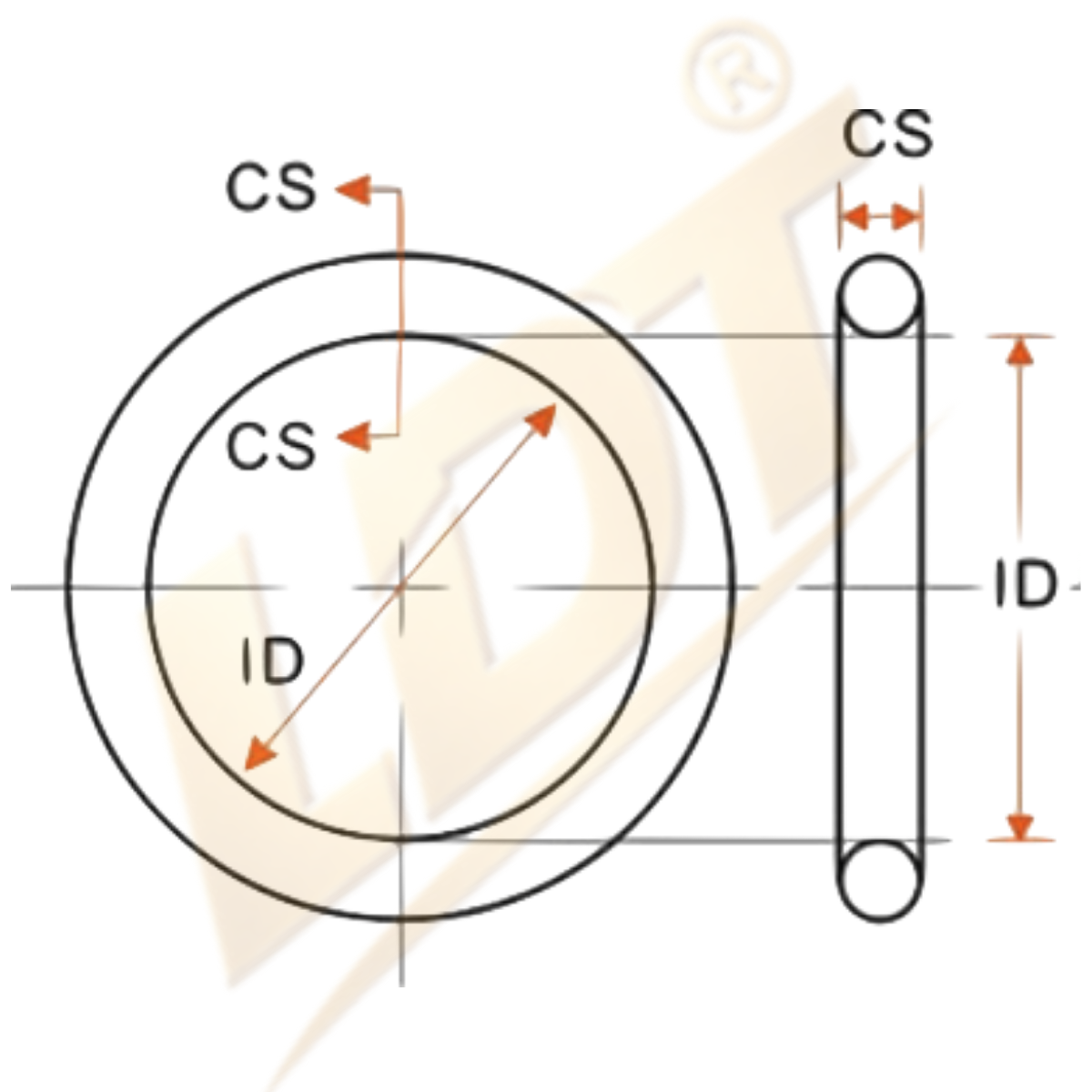
Inner diameter - d1255 mm
Cross-section diameter - d23.5 mm
MaterialNBR

LDT will confirm price, stock and delivery time when the request is received.

Detailed technical content

Select an O-Ring by more than its diameter

An O-Ring is normally identified first by its inside diameter and cross-sectional diameter, but these two dimensions are not enough to determine whether it is suitable. Once installed, the O-Ring cross-section must be compressed appropriately in the groove to create sealing force, while the groove must retain enough volume for the ring to deform under pressure or temperature changes.

If the groove is too tight, the O-Ring may be over-compressed, increasing friction or causing premature damage. If compression is too low, initial sealing capability decreases and leakage becomes more likely. When replacing an O-Ring in a machine assembly, retain both the correct ring dimensions and groove geometry rather than measuring only one outside diameter.

Material determines compatibility with the medium and temperature

O-Rings are available in many elastomer materials. DEDE lists options including NBR, FKM, VMQ and EPDM; each has a different range of chemical compatibility, temperature capability, elasticity and ageing resistance.

An O-Ring with the correct dimensions but the wrong material may therefore swell, harden, crack or lose elasticity when exposed to the actual medium. If the material of the old ring is unknown, identify the oil/fluid/gas type, temperature and operating conditions before selecting the replacement material.

Static and dynamic applications require different groove conditions

O-Rings can be used in static joints and some moving mechanisms, but dynamic applications require closer control of compression, contact surface, lubrication, speed and clearance. An O-Ring that performs well in a static flange joint should not automatically be assumed suitable under the same conditions in a moving piston or shaft.
FAQ

Frequently asked questions

Hai O-Ring cùng kích thước nhưng khác vật liệu có thể thay trực tiếp cho nhau không?

Không nên thay chỉ vì kích thước giống nhau. Vật liệu ảnh hưởng trực tiếp đến khả năng chịu nhiệt, tương thích với dầu, nhiên liệu, nước, hóa chất và độ bền lâu dài. Nếu thay sai vật liệu, vòng vẫn có thể lắp vừa nhưng nhanh trương nở, cứng hóa hoặc mất đàn hồi. Khi đổi vật liệu cần đối chiếu môi chất và nhiệt độ làm việc của cụm máy.

Vì sao thay O-Ring mới đúng kích thước nhưng vẫn bị rò rỉ?

Nguyên nhân có thể nằm ở rãnh lắp, bề mặt làm kín, độ nén, khe hở, vật liệu hoặc việc vòng bị xoắn/cắt trong quá trình lắp. O-Ring mới không thể bù cho một bề mặt bị xước sâu hoặc rãnh sai kích thước. Nếu rò rỉ lặp lại, nên kiểm tra cả cụm làm kín thay vì tiếp tục đổi vòng cùng mã.

Có thể chọn O-Ring bằng cách đo đường kính ngoài của vòng cũ không?

Không nên. Cách xác định đáng tin cậy hơn là biết đường kính trong và đường kính tiết diện, hoặc đo đúng rãnh lắp khi vòng cũ đã biến dạng. O-Ring đã làm việc lâu có thể bị dẹt, kéo giãn hoặc trương nở nên kích thước bên ngoài đo được không còn phản ánh chính xác kích thước ban đầu.

O-Ring dùng cho mối ghép tĩnh có thể chuyển sang vị trí chuyển động qua lại không?

Chỉ khi thiết kế rãnh, vật liệu, bề mặt và điều kiện vận hành phù hợp. Ứng dụng chuyển động tạo thêm ma sát và nguy cơ mài mòn hoặc xoắn vòng, vì vậy không nên coi đây là thay thế trực tiếp. Với vị trí chuyển động thường xuyên, cần kiểm tra thiết kế làm kín được nhà sản xuất khuyến nghị cho ứng dụng động.

News about Industrial seals