Detailed technical content
O-Ring cord solves non-standard size requirements
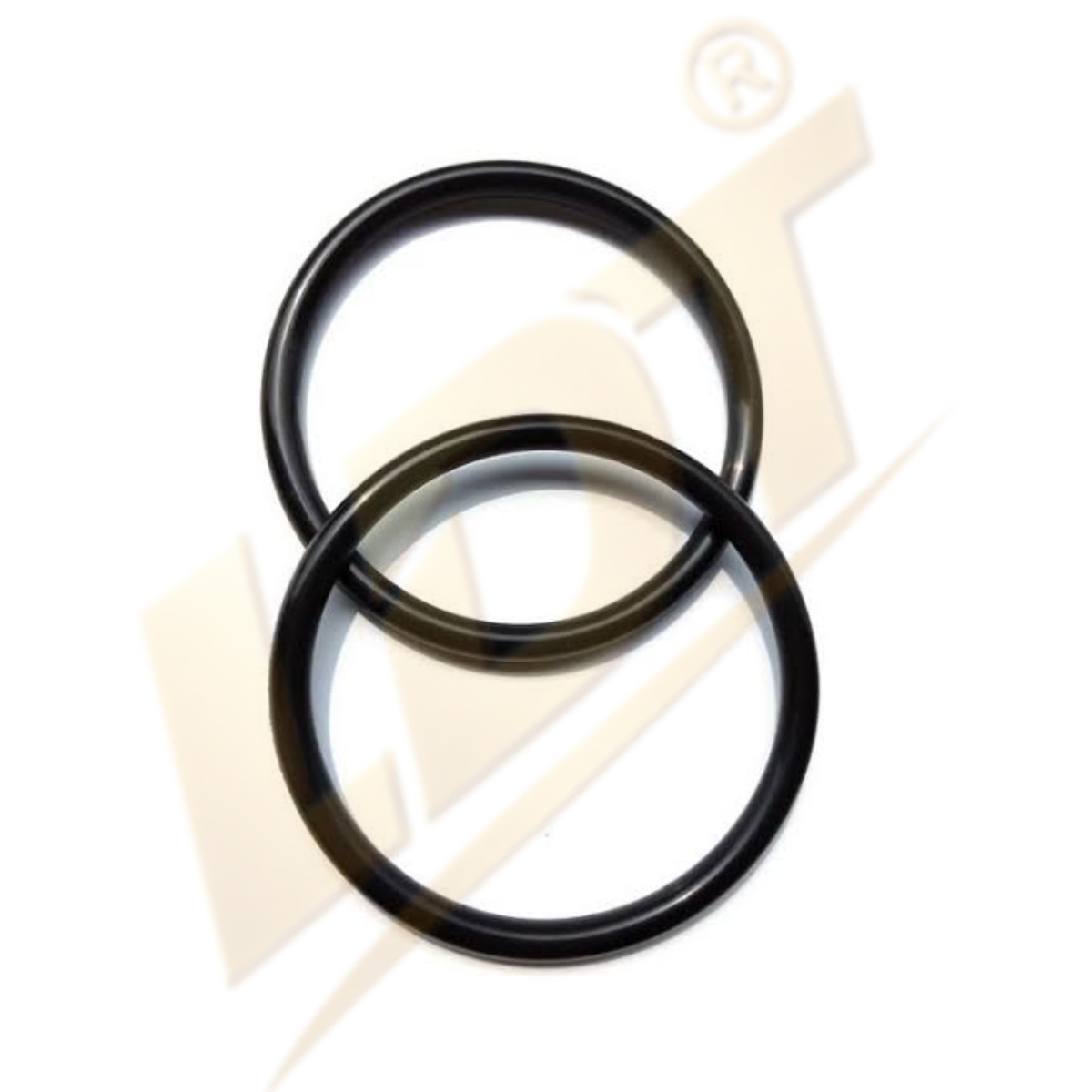
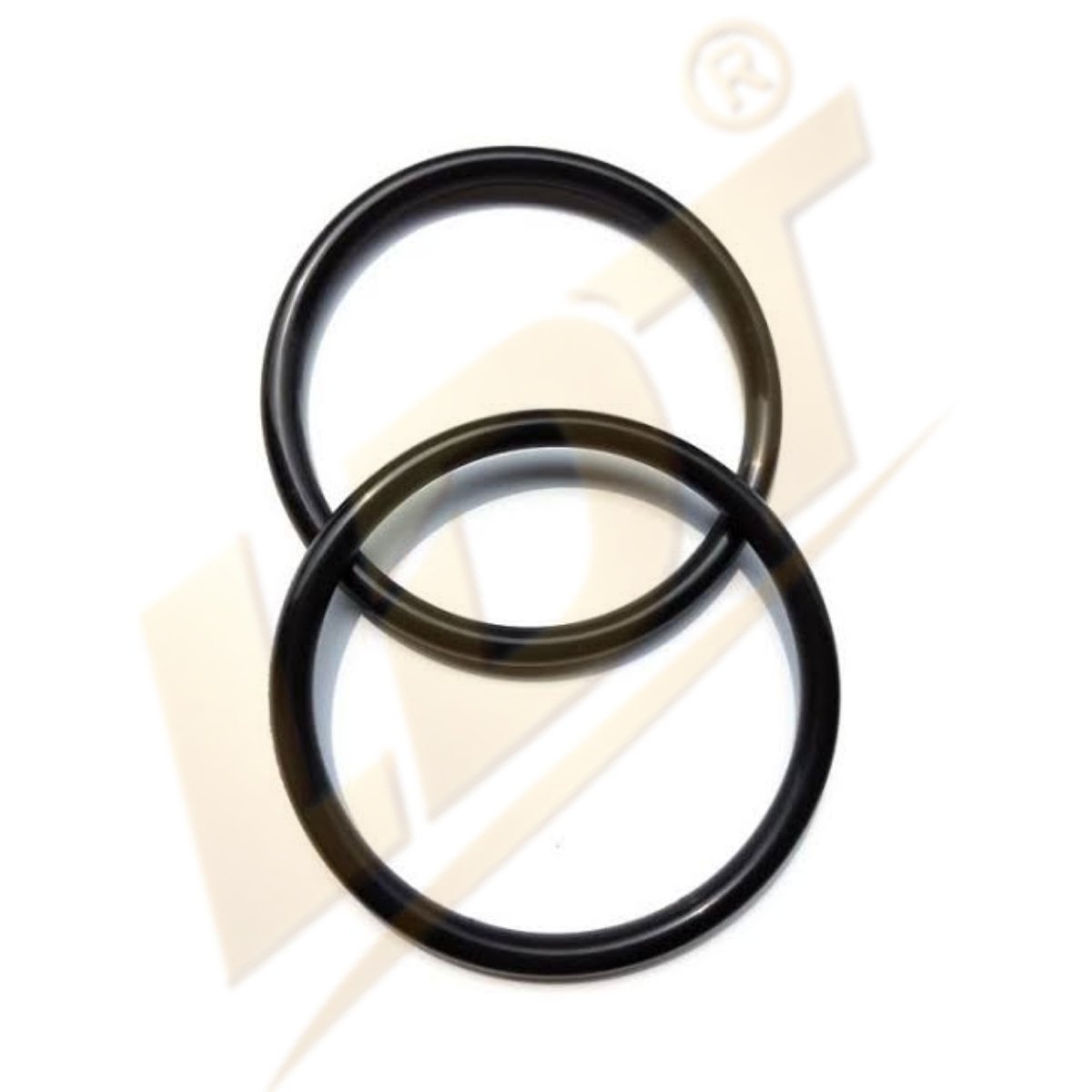
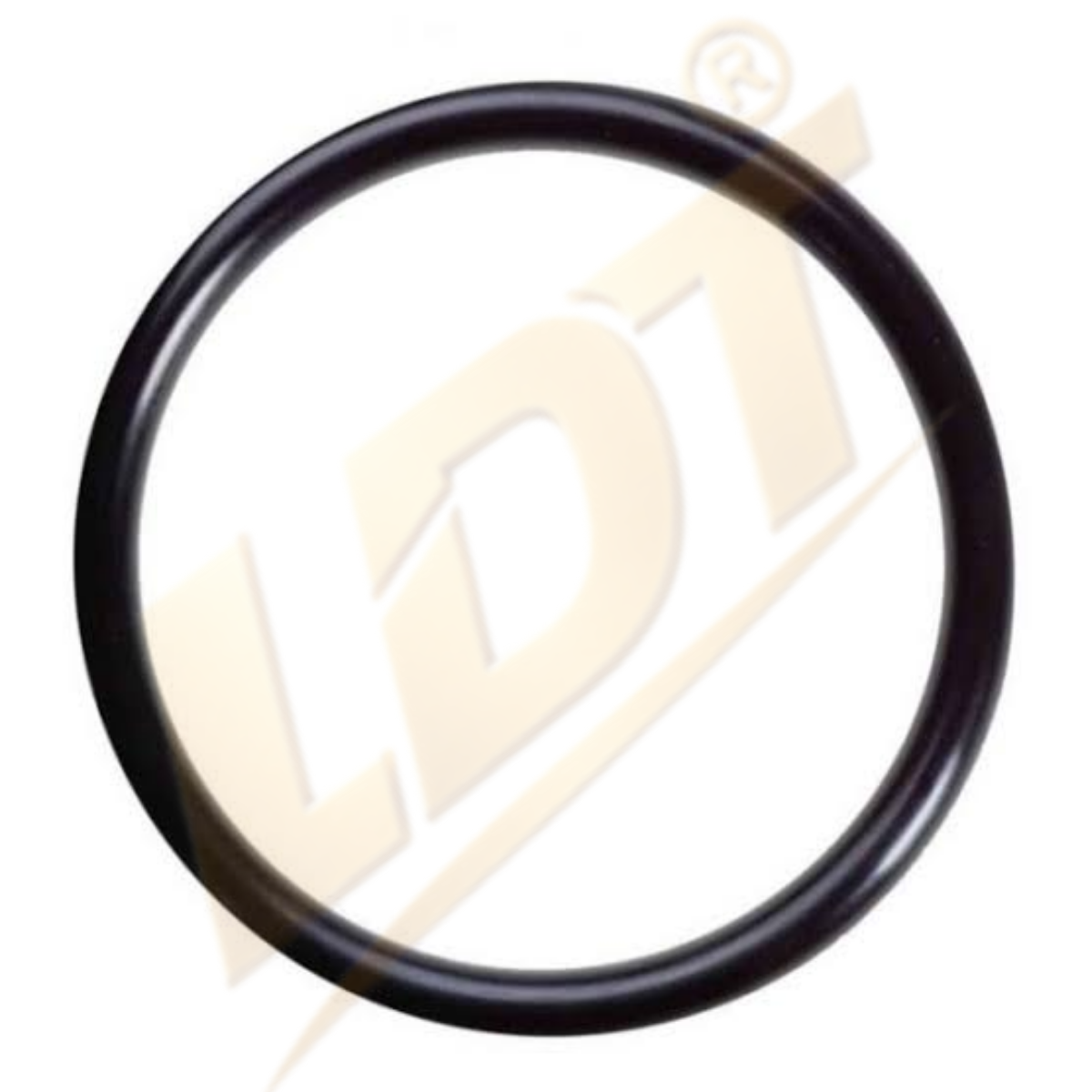
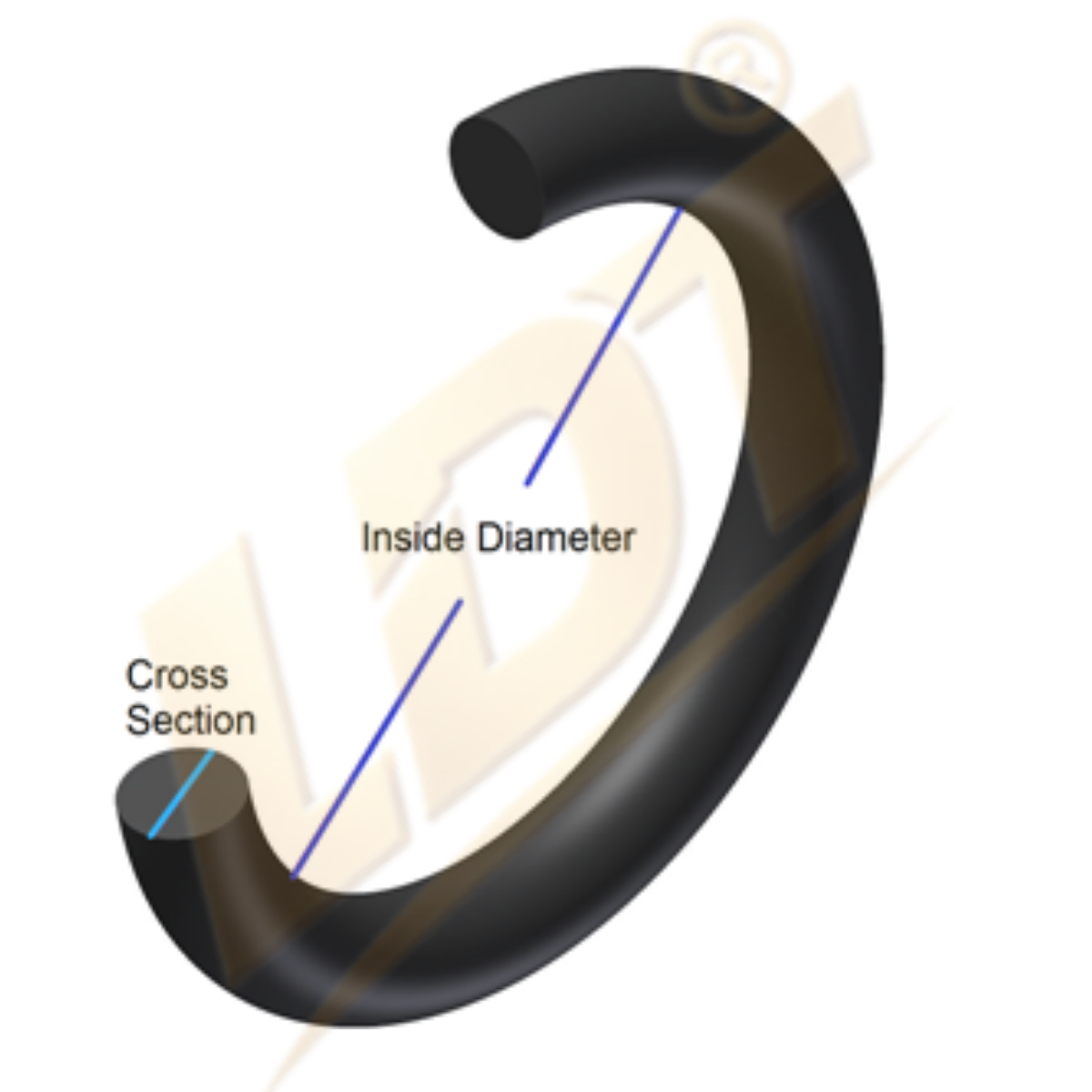
O-Ring cord is a continuously extruded elastomer with a circular cross-section. Users can cut it to the required length and join the two ends to form a ring of the desired diameter, making it particularly useful for large rings, uncommon sizes or urgent situations where a molded O-Ring of the correct size is unavailable.
NQKSF emphasizes that it is a flexible solution for dimensional and lead-time requirements, but not a replacement for every molded O-Ring.
Joint quality is the primary concern
Unlike a one-piece molded O-Ring, a ring made from cord has a joint. Parker notes that the joint is weaker than a precision-molded O-Ring and may be disadvantageous in gas, vacuum, high-pressure or demanding chemical applications. Cut quality, squareness of the two ends, adhesive material or vulcanization method directly affect sealing performance.
Cross-section and material must still meet the groove requirements
The cord can be cut to any circumference, but the cross-sectional diameter cannot be selected arbitrarily. The cross-section must match the groove to provide correct compression, and the material must suit the medium and temperature just as with a conventional O-Ring.