Industrial oils and greases play an important role in lubricating and protecting machinery and improving operating performance across many industries. Available types include lubricating grease, hydraulic oil, engine oil and gear oil, each serving a particular purpose under specific operating conditions. Selecting the correct oil or grease not only extends equipment service life but also optimizes performance. This article explains the types of industrial oils and greases, their specific uses and how to choose a suitable product.
Introduction to Industrial Oils and Greases
Industrial oils and greases are important lubricants that reduce friction, protect machinery and improve operating performance in many manufacturing sectors. Their temperature resistance, corrosion protection and ability to reduce component wear make them essential to maintaining equipment service life. This section provides an overview of industrial oils and greases, their characteristics and their importance in modern industry.
What are industrial oils and greases?
Industrial grease is a semi-solid lubricant that reduces friction, protects metal surfaces and extends machinery service life. Unlike lubricating oil, industrial lubricating grease has high viscosity, adheres well and is not readily washed away, enabling effective lubrication under many demanding conditions.
The role of industrial grease in manufacturing
- Reduces friction and helps machinery operate smoothly.
- Prevents corrosion and protects metal against rust.
- Withstands heavy loads and is suitable for heavy machinery.
- Improves operating performance and helps lower maintenance costs.
Composition and Properties of Industrial Grease
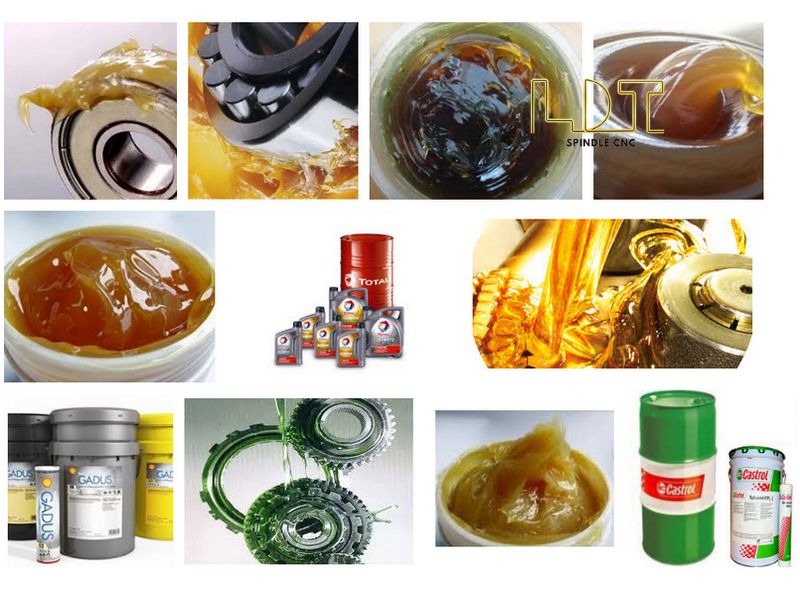
Industrial grease consists of several components, including base oil, thickener and special additives that enhance lubrication, wear protection and temperature resistance. Each grease has distinct properties suited to particular operating conditions and machinery requirements. This section explains the basic composition and important properties of industrial grease, providing a clearer understanding of its role and applications.
Main components of industrial grease
- Base oil: Accounts for 70–90% and determines the lubrication properties.
- Thickener: Accounts for 10–30%, gives grease its consistency and helps it adhere well.
- Additives: Improve temperature resistance, wear protection and oxidation resistance.
Important properties of industrial grease
- High adhesion maintains the lubricating film for longer.
- Good temperature resistance, especially in high-temperature industrial grease used in demanding environments.
- Washout resistance protects machinery even under wet conditions.
Classification of Industrial Grease
Industrial oils and greases are divided into several types according to composition, properties and intended use. Lubricating oils, hydraulic oils, gear oils and high-temperature greases each play an important role in protecting machinery and improving operating performance. Choosing the correct product not only optimizes operation but also extends equipment service life. This section covers common types and their practical applications.
3.1. Classification by thickener
- Lithium grease: Widely used for its versatility and good water resistance; suitable for bearings and gears.
- Calcium grease: Offers excellent water resistance and suits wet environments such as food-processing plants.
- Polyurea grease: Has a long service life and suits electric motors and high-speed bearings.
- Bentonite grease (clay-based grease): High-temperature industrial grease withstands temperatures up to 300°C and is used in metallurgy and boilers.
3.2. Classification by application
- Bearing grease: Used for bearings in motors and industrial machinery.
- High-temperature industrial grease: Designed specifically for high-temperature conditions.
- Food-grade grease: Provides safe use in food-processing applications.
- Heavy-load grease: Used in presses, compressors and heavy mobile equipment.
- Electrically conductive grease: Protects electrical connections, prevents oxidation and maintains a stable connection.
>>> Reference: How to Use and Store Greases and Lubricating Greases Correctly.
Uses of Industrial Grease
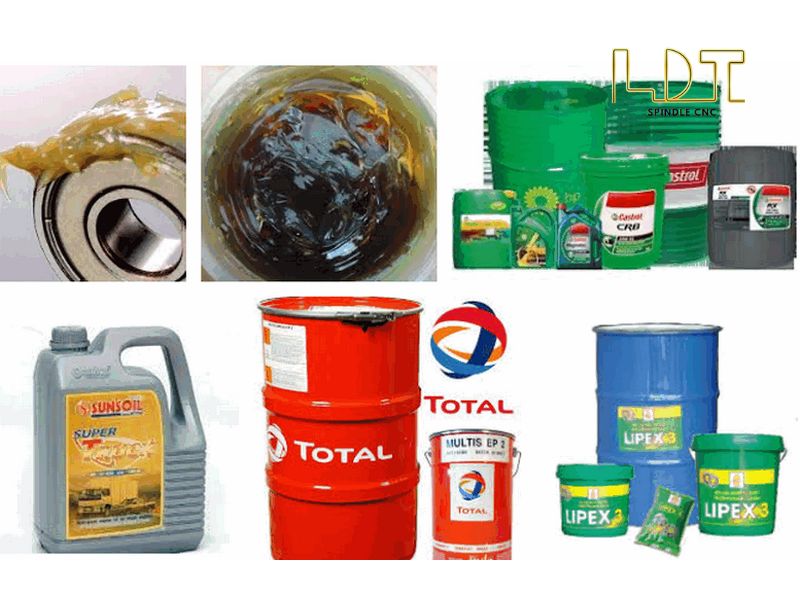
- Reduces friction and wear and helps machinery operate more smoothly.
- Prevents corrosion and extends equipment service life.
- Maintains stable operating performance and prevents wear and failures.
- Withstands heavy loads, which is especially important in heavy industry.
Industrial Applications of Oils and Greases
- Food manufacturing: Uses food-grade grease to maintain hygiene and safety.
- Mechanical engineering and machinery manufacturing: Uses industrial grease to lubricate bearings and gears.
- Automotive and transportation: Used in wheel systems, crankshafts and engines.
- Electrical and electronic equipment: Electrically conductive grease protects connections and reduces wear.
- Steel and metallurgy: High-temperature industrial grease helps machinery operate under demanding conditions.
How to Choose Suitable Industrial Grease
- Identify the application requirements: Choose an industrial lubricating grease suited to the operating conditions.
- Check the operating temperature: For high-temperature environments, choose high-temperature industrial grease.
- Consider load-carrying capacity: High-power machinery requires heavy-load grease to maintain performance.
Guidance on Using and Storing Industrial Grease
- Apply the correct amount: Avoid applying too much or too little, either of which can reduce lubrication effectiveness.
- Store to the correct standard: Keep grease containers tightly closed in a dry place away from direct sunlight.
- Replace grease periodically: This helps machinery operate consistently and prevents premature wear.
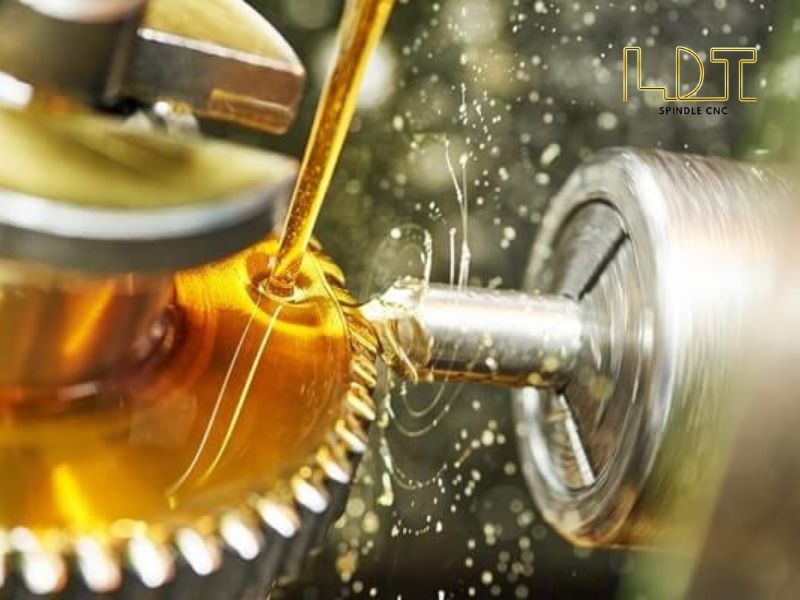
Where to Buy Industrial Grease from a Reputable Supplier
When purchasing industrial oils and greases, choose a reputable supplier to ensure quality. Distributor-selection criteria include:
- Products supplied with complete CO and CQ certificates to provide clear proof of origin.
- An experienced supplier that offers in-depth technical support.
- Flexible warranty and return policies.
Conclusion
Industrial oils and greases play an important role in manufacturing and help machinery operate reliably and efficiently. Choosing the correct industrial lubricating grease not only optimizes operation but also reduces maintenance costs.
>>> Are you looking for high-quality industrial oils and greases?
>>> Contact LDT now for advice and the best quotation!
>>> Our product commitment: genuine products – competitive prices – fast delivery.
>>> Do not let your machinery operate inefficiently—choose the right industrial oil or grease today!