Drills are important equipment in construction, mechanical engineering and manufacturing. To ensure durable, high-performance operation, grease for drills is essential. This article explains its uses and classifications and how to choose a suitable grease for optimal drill protection.
Introduction to Grease for Drills
An overview of the concept, the reasons for using grease and its importance to drills:
What is grease for drills?
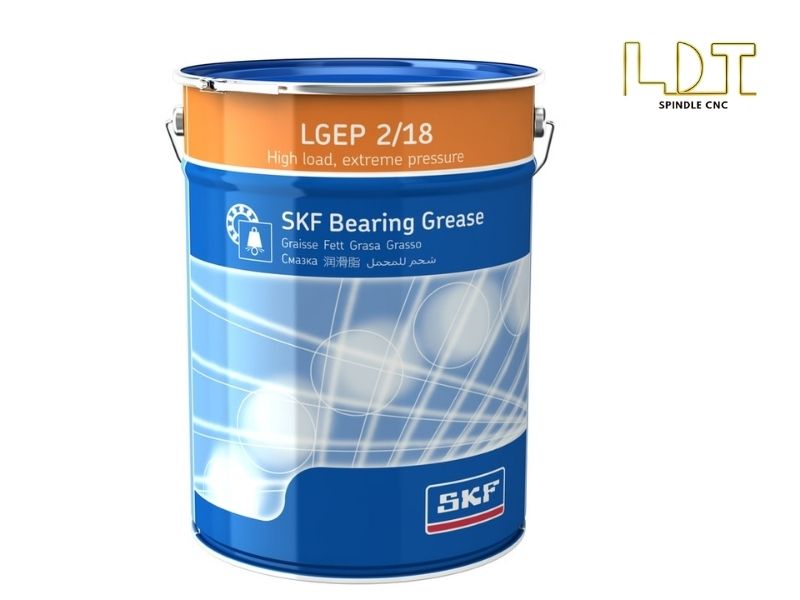
Grease for drills is a specialized lubricant that reduces friction and protects internal drill components against wear and oxidation. Its high adhesion, ability to withstand heavy pressure and good temperature resistance help drills operate more smoothly and reliably.
Why should grease be used for drills?
- Reduces friction between moving components and helps the drill run smoothly.
- Limits wear and extends drill service life.
- Prevents rust and protects metal components against environmental effects.
- Keeps the drill operating consistently even under demanding working conditions.
Effects of not using grease on a drill
Without drill grease, internal components wear easily and can produce excessive noise during operation. The drill can also overheat, lose performance and fail prematurely.
Uses of Grease for Drills
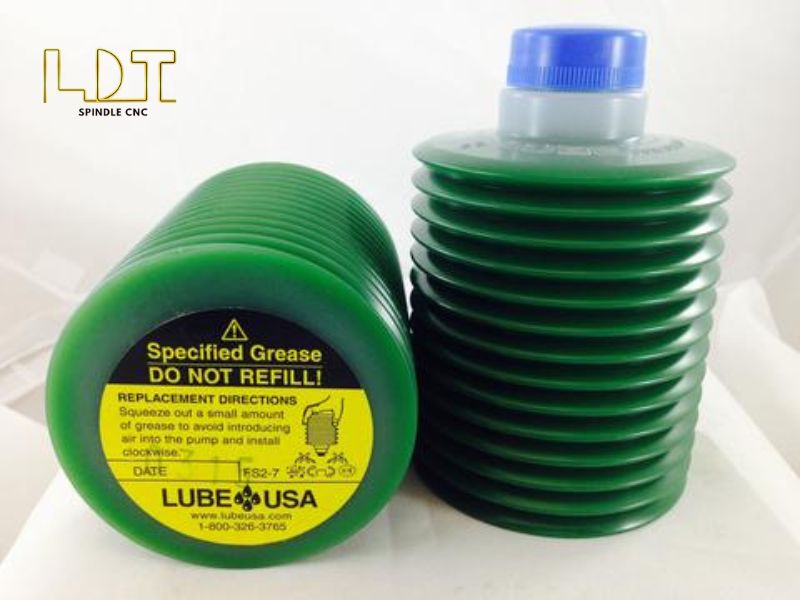
- Reduces friction and helps the drill operate more smoothly.
- Protects internal drill components against wear and limits failures.
- Prevents rust and corrosion, especially in wet or dusty environments.
- Extends drill service life and the life of important components, saving repair costs.
Composition and Properties of Drill Grease
Drill grease is a specialized product that reduces friction, protects moving components and extends equipment life during drilling and cutting. Its principal components are base oil, thickener and additives that provide wear protection and high-temperature resistance for demanding working conditions. This section describes the important components and notable properties of drill grease to help you choose a suitable product for optimal performance.
Main components
- Base oil: Determines the grease’s lubrication and temperature resistance.
- Thickener: Keeps the grease in the correct position and prevents leakage.
- Additives: Provide oxidation resistance and wear protection and improve adhesion.
Important properties
- Temperature resistance: Ensures the grease does not run or lose effectiveness when the drill operates at high temperatures.
- Viscosity: Affects lubrication performance and adhesion.
- Water resistance: Protects the drill when it operates in wet environments.
Classification of Greases for Drills
Greases for drills are classified by composition, properties and working conditions. Common products include high-temperature grease, heavy-load grease, lithium-based grease and synthetic grease. Each has a particular purpose in protecting the drill and optimizing its performance. This section explains the common grease types for drills and helps you select a product suited to your requirements.
By Thickener
- Lithium grease: Versatile, highly adhesive and temperature resistant; suitable for many drill types.
- Calcium grease: Offers good water resistance and suits drills operating in wet environments.
- Polyurea grease: Has a long service life and is used for drills operating under demanding conditions.
By Application
- High-temperature grease for drills – Maintains lubrication performance at high temperatures.
- Rust-preventive grease – Protects drill components against oxidation.
- Heavy-load grease – Intended for high-power drills operating under heavy pressure.
How to Choose Suitable Grease for a Drill
- Select a grease for drills that suits the working conditions.
- Consider factors such as load capacity, temperature resistance and adhesion.
- Check quality standards to ensure optimal lubrication performance.
>>> Read more: Industrial Oils and Greases – Classification, Uses and Selection.
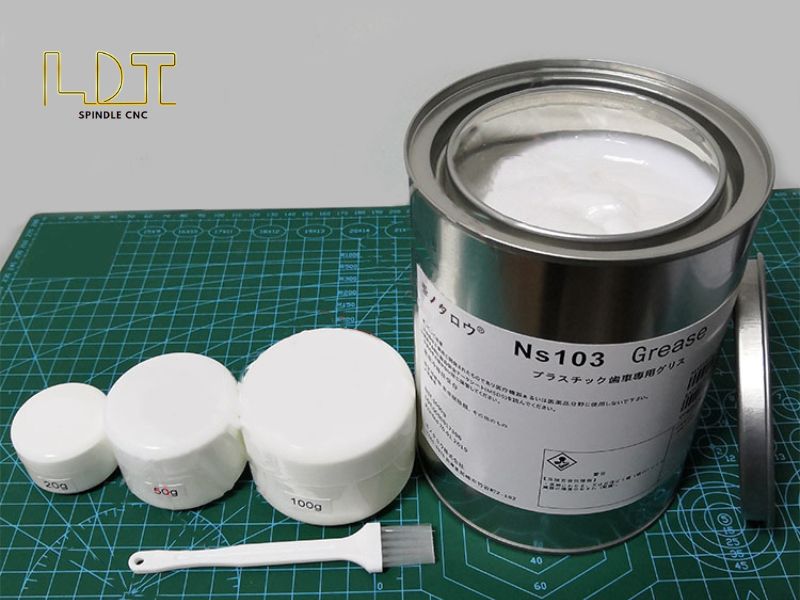
Instructions for Using Grease on Drills
Using grease correctly helps drills operate smoothly, reduces friction and extends the life of internal components. For optimal results, select a suitable grease, lubricate periodically and follow the correct maintenance procedure. This section provides detailed instructions for using drill grease to protect equipment and maintain the best working performance.
How to apply grease correctly
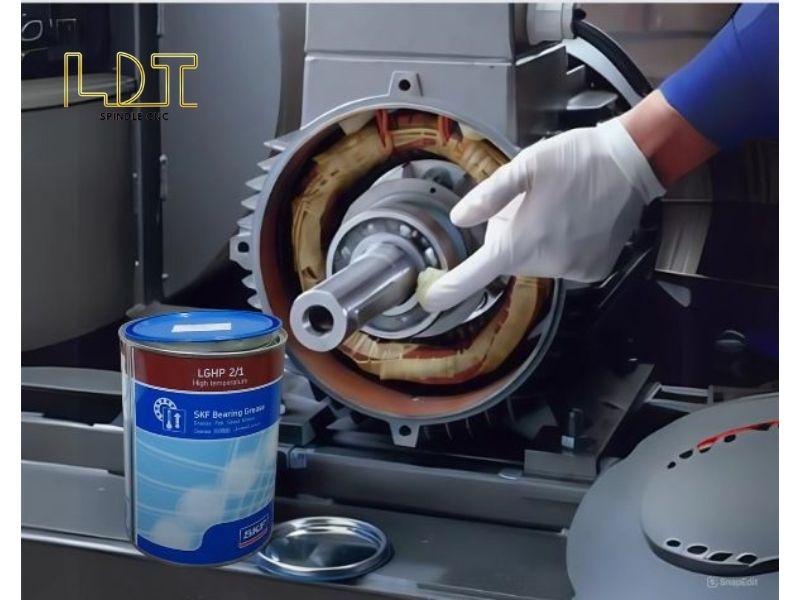
- Clean the component requiring lubrication before applying grease.
- Use an appropriate amount; excessive grease causes waste and can reduce drill performance.
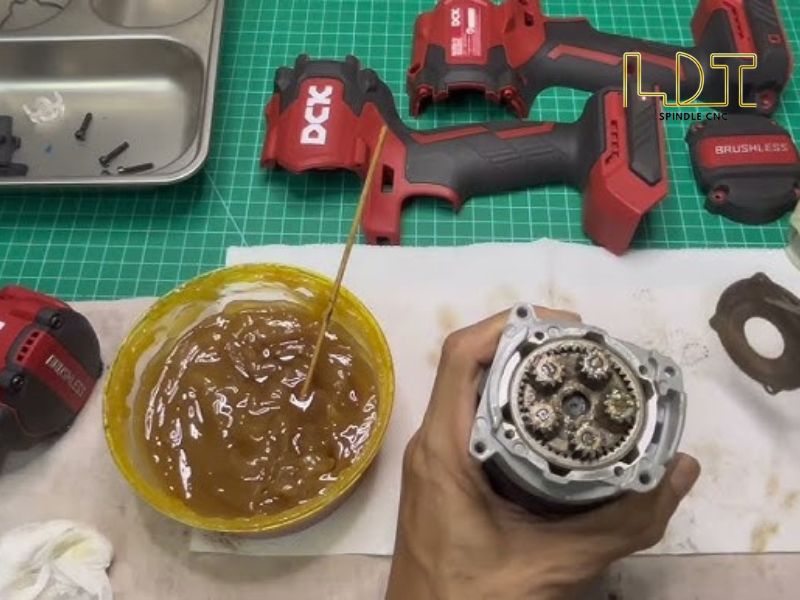
- Apply grease evenly to important points, especially bearings and gears.
Grease replacement frequency
- Inspect and replace drill grease periodically to maintain the best performance.
- Depending on usage intensity, replace the grease every three to six months.
Mistakes to avoid
- Using the wrong grease or a product unsuitable for the drill.
- Storing grease incorrectly, which reduces its quality and effectiveness.
Latest Prices for Grease for Drills
- Prices for grease for drills range from VND 100,000 to VND 500,000 depending on the product and brand.
- Contact a reputable supplier for an accurate quotation.
Where to Buy Grease for Drills from a Reputable Supplier
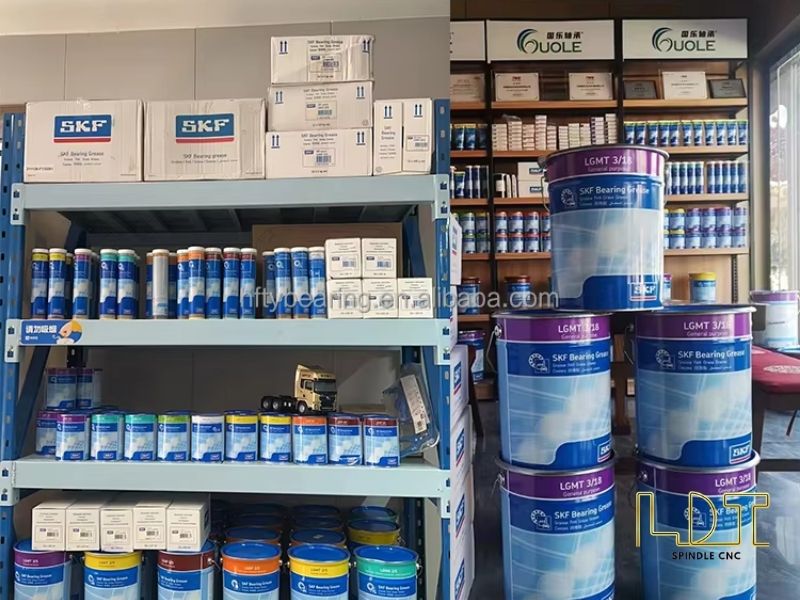
- Purchase from stores specializing in mechanical and industrial equipment.
- Prioritize grease brands with a clearly documented origin.
- Avoid unbranded goods without proper labels, as they may be counterfeit or poor quality.
Conclusion
Using grease for drills is an important solution for protecting machinery, maintaining performance and extending equipment service life. Choosing the correct drill grease and using and maintaining it properly helps the drill operate smoothly while reducing repair costs.
>>> Are you looking for the best grease for your drill? Contact LDT Vietnam now for a quotation and free consultation!