In everyday life and industry, lubricating oil and grease play an important role in reducing friction and wear and extending machinery life. However, their specific functions and differences are not always well understood. This article explains their uses, advantages and limitations to support effective selection.
Introduction to lubricating oil
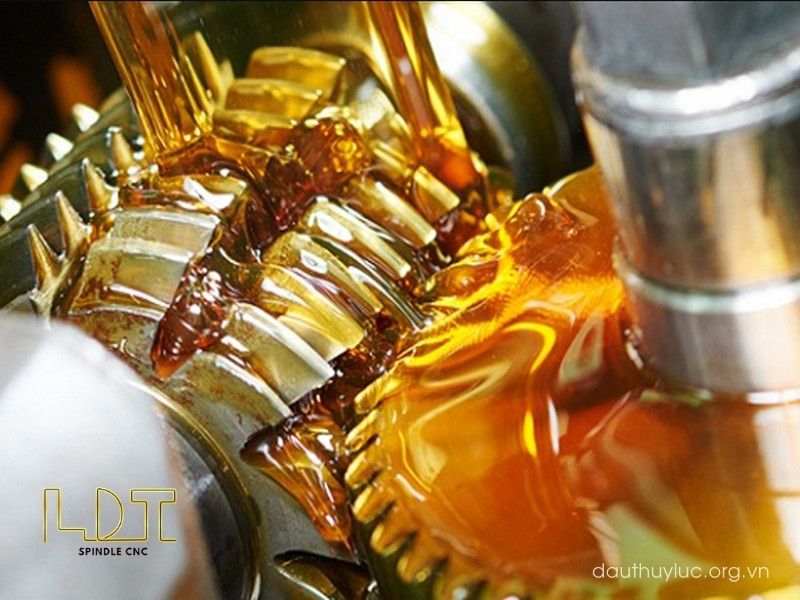
Lubricating oil is a fluid used in mechanical systems to reduce friction, cool, clean and protect engines, machinery and equipment. It maintains machinery performance, supports smooth operation and reduces wear on moving components. Applications include automotive engines, industrial machinery, hydraulic equipment, air compressors and other mechanical equipment. Below, LDT provides a more detailed explanation.
Functions of lubricating oil
Lubricating oil protects machinery and optimizes performance in several important ways:
Reducing friction and wear
Lubricating oil forms a protective film between metal surfaces. This film reduces direct metal-to-metal contact, thereby reducing friction and wear, extending component life and lowering the risk of damage caused by excessive friction.
Cooling the system
Lubricating oil absorbs heat generated during machinery operation and carries it away from engine components, maintaining a stable operating temperature and helping prevent overheating, damage and performance loss.
Protecting against corrosion and rust
Lubricating oil forms a protective layer on metal surfaces, limiting contact with moisture, oxygen and corrosive agents. This reduces rust and corrosion and helps maintain equipment durability and performance.
Cleaning and removing contaminants
Lubricating oil helps remove contaminants, dust and metal particles from moving machinery components. It keeps components and systems clean and reduces deposits that could cause blockage or failure.
Preventing oxidation and reducing moisture effects
Lubricating oil helps prevent oxidation of metal components in humid environments, improving durability and extending equipment life. Oil additives also limit the formation of harmful deposits in the system.
Differences between lubricating oil and grease
Both oil and grease reduce friction and protect machinery, but they differ in composition, properties and applications. The correct choice depends on equipment operating conditions, speed, load and environment. Key differences include:
Composition and structure
- Lubricating oil: Consists of mineral or synthetic base oil and additives.
- Lubricating grease: Combines base oil, a thickener such as metallic soap, and special additives.
Physical properties
- Lubricating oil: Liquid, suitable for systems requiring rapid circulation, such as engines or oil pumps.
- Lubricating grease: Semi-solid with good adhesion, suitable for locations requiring long-term lubrication where oil cannot be applied frequently.
Practical applications
- Lubricating oil: Widely used in engines, hydraulic systems and air compressors.
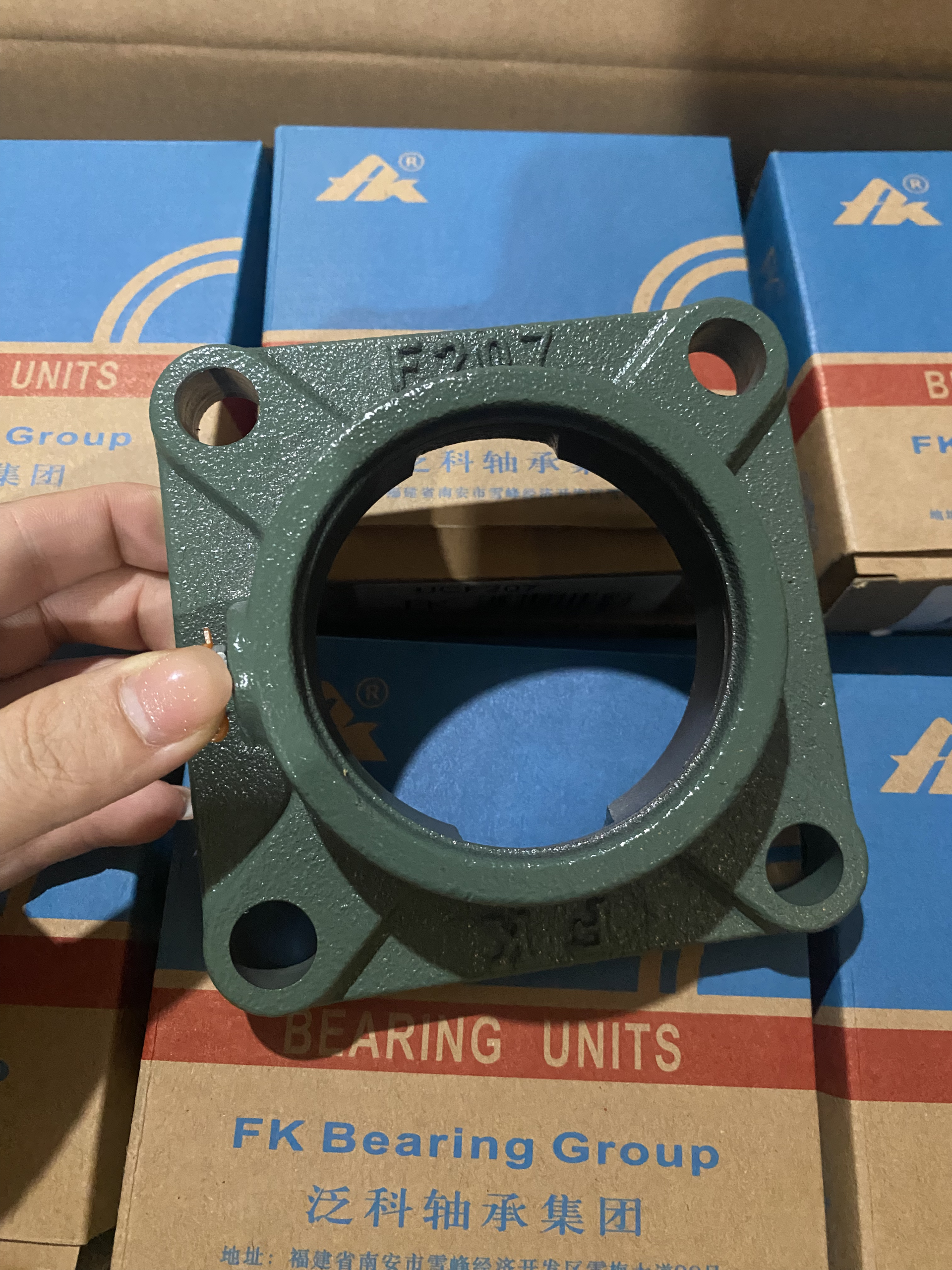
- Lubricating grease: Suitable for bearings, drive shafts and components under high loads and pressure.
=>>> See also: Top 5 Most Popular Bearing Greases Today.
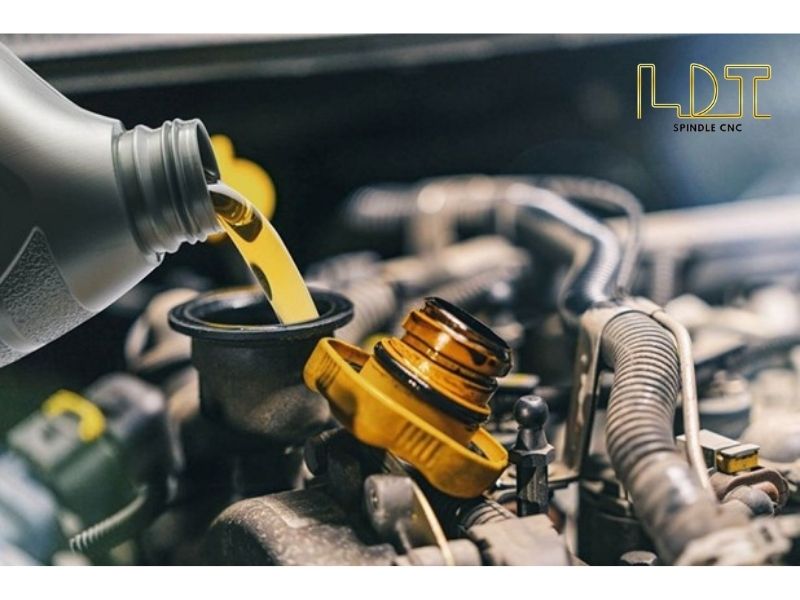
Composition and formulation of lubricating oil and grease
Lubricants contain several components, each supporting lubrication performance and machinery protection. They generally include base oil, thickener and special additives for heat resistance, wear protection and oxidation resistance. Details include:
Main components of lubricating oil and grease
- Lubricating oil:
- Base oil: Accounts for 70-90% and determines basic properties such as viscosity and heat resistance.
- Additives: Account for 10-30% and improve properties such as wear and rust protection.
- Lubricating grease:
- Base oil: The main component determining lubrication capability.
- Thickener: Provides adhesion and gives the grease its structure.
- Special additives: Improve heat resistance, water resistance and corrosion protection.
Lubricating grease formulations
- Formulations are developed to strict standards for specific requirements such as motor grease, drive-shaft grease, or food-grade lubricating grease.
Applications by composition
- Food-grade lubricating grease: Uses safety-assessed components suitable for food-related applications.
- Motor grease: Withstands high temperatures and pressure and reduces motor friction.
Properties and quality of lubricating grease
Lubricating grease reduces friction, protects machinery and improves performance. Quality is assessed through properties such as adhesion, heat resistance, load capacity and water resistance. Selecting the correct grease extends equipment life and reduces maintenance costs. Important quality characteristics include:
Physical and chemical properties
- Lubricating grease density: Generally ranges from 0.85 to 1.0 g/cm³ depending on the base oil and thickener.
- Key characteristics: High adhesion, resistance to demanding temperatures and water resistance.
Effect of grease quality
- High-quality grease protects machinery, reduces failures and extends equipment life.
Practical applications
- Motor grease: Improves motor operating performance.
- Drive-shaft grease: Limits vibration, reduces noise and improves drive-shaft durability.
Conclusion
- Summary:
- Both lubricating oil and grease are important for maintaining machinery efficiency and service life.
- Understanding the functions of lubricating oil and the differences between oil and lubricating grease supports selection of the right product for each requirement.
- Recommendations:
- Prioritize lubricating oil and grease from reputable brands to ensure quality and performance.
- Inspect and maintain machinery regularly to ensure stable operation.