1. Traditional maintenance is costing businesses dearly
In many Vietnamese factories, equipment maintenance still follows habit: repair a machine only after it fails, inspect equipment only after abnormal vibration appears, and replace bearings only after they burn out. This model, known as Reactive Maintenance, quietly creates hidden costs: unexpected downtime, lost output, uncontrolled material consumption and even unsafe working conditions.
Industry reports show that reactive maintenance can cost 3–5 times more than proactive maintenance. This is why Digital Maintenance Transformation has become a strategic priority for manufacturers.
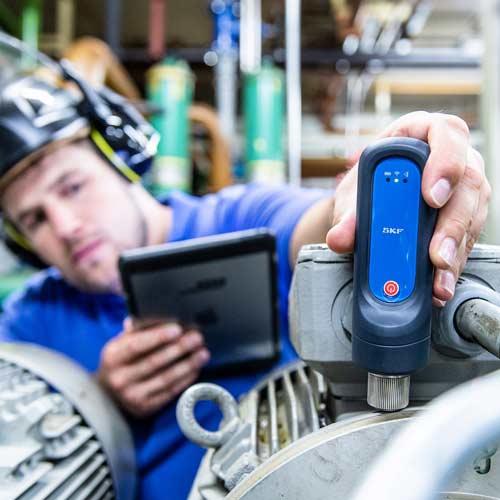
2. What is digital maintenance transformation?
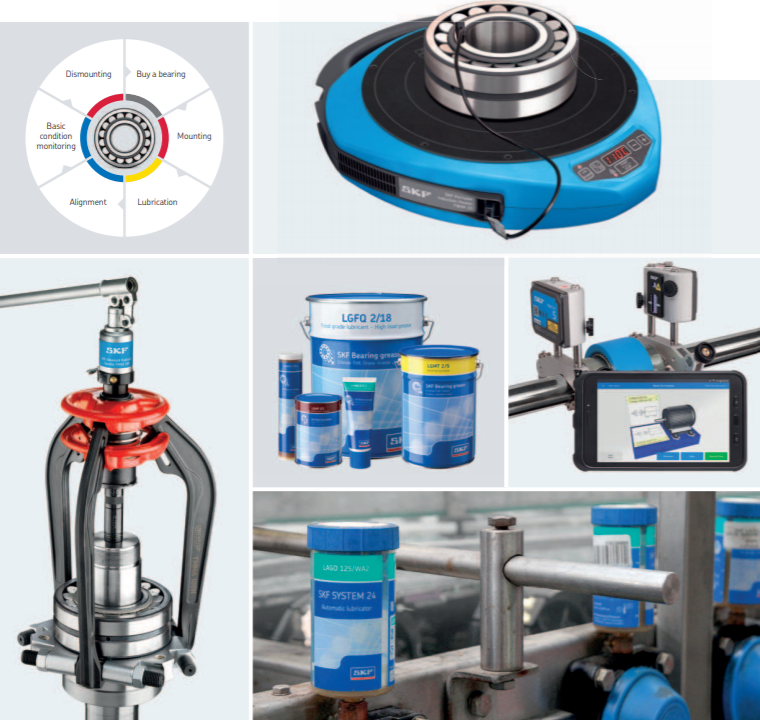
Digital maintenance transformation is not simply buying software or installing a few vibration sensors. Its essence is changing the entire way a business approaches maintenance: from reactive to proactive, from intuition to data, and from individual experience to standardized systems.A modern maintenance system generally includes:
- Equipment-condition sensors (vibration, temperature, speed, load, humidity…)
- Real-time data-collection systems
- Analysis and early-warning software
- Data-driven Maintenance decision processes
When implemented correctly, a business does not merely “know that a machine is failing”; it can predict when the machine will fail and intervene beforehand.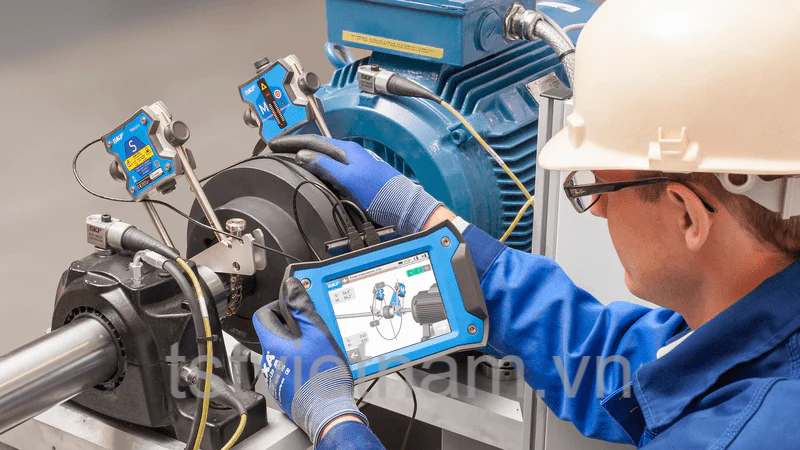
3. Predictive Maintenance – an inevitable trend for modern factories
Predictive maintenance is the highest level of maintenance management. Instead of following rigid intervals or waiting for a failure, the system analyzes operating data and issues early warnings.Examples:
- Abnormally rising motor-bearing vibration → warning of possible bearing failure
- Temperature rising gradually over time → prediction of insufficient lubrication
- Abnormal variation in rotational speed → warning of mechanical misalignment
Technical teams can then plan downtime, prepare materials and assign personnel, reducing the risk of unexpected shutdowns.
4. What do businesses gain from digital maintenance transformation?
The benefits are not limited to engineering; they are also clear financially:
- Less unplanned downtime
- Longer life for bearings, seals and gears
- Lower lubricating-grease consumption
- Optimized maintenance, repair and operations (MRO) inventory
- Greater production-line reliability
For industries such as cement, steel, paper, food and thermal power, preventing just one or two major failures each year can create substantial value.
5. The role of a technical partner in digital transformation
Many businesses fail because they lack a partner who understands both equipment and real operating conditions. Digital transformation cannot be handled by IT alone; it requires specialists in mechanics, bearings, lubrication and maintenance systems.LDT supplies products and also defines the complete solution: surveying current conditions, proposing system architecture, selecting suitable equipment and training internal technical teams.
6. Conclusion
As competition intensifies, businesses cannot continue operating through experience and reaction alone. Digital maintenance transformation is the key to more stable, economical and sustainable factory operation. Most importantly, start early—before a failure forces you to change.