Bearing grease (also called bearing lubricating grease) plays a vital role in ensuring the performance and service life of industrial machinery. If you are researching this grease, the following article explains its benefits and how to select and use bearing grease effectively.
What Is Bearing Grease?
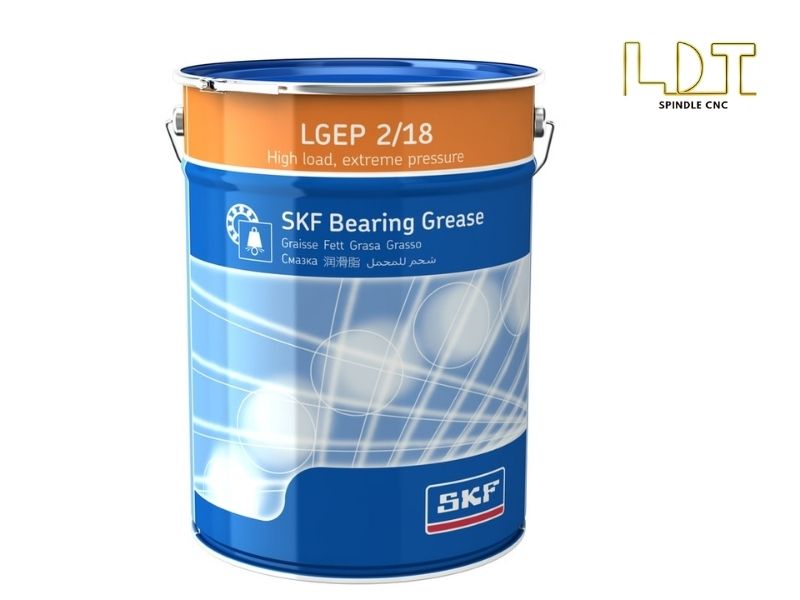
Bearing grease is a specialized lubricant used for bearings in industrial and household machinery and equipment. It normally consists of three main components:
- Base oil: The main lubricating component, generally accounting for 70–80% of the grease by weight.
- Thickener: Gives the grease its consistency and oil-retention ability; examples include metallic soaps such as lithium, calcium and aluminium.
- Additives: Enhance properties such as corrosion protection, heat resistance and heavy-load capacity.
Thanks to this structure, bearing grease adheres well, reduces friction and protects bearings from wear, high temperatures and harsh environments.
Why Is Bearing Grease Important?
Bearings are among the most important components in machinery. They carry high loads, operate continuously at high speed and are frequently exposed to heat, moisture and dust. Without correct lubrication, bearings wear rapidly, causing failures that affect the entire machine system.
Bearing grease provides the following benefits:
- Reduced friction: Limits wear between contacting surfaces.
- Corrosion protection: Protects bearings from the external environment.
- Longer service life: Helps bearings operate reliably and reduces maintenance and replacement frequency.
- Energy savings: Reduces resistance during operation.
- Noise reduction: Grease reduces frictional sound and therefore lowers machine operating noise.
Common Types of Bearing Grease
Many types of bearing lubricating grease are available for specific applications and operating conditions. Common types include:
High-Temperature Grease
This grease is designed for stable operation in high-temperature environments, often above 200°C. It is commonly used in metallurgy, cement production and equipment that must operate continuously at high temperatures.
Water-Resistant Grease
Used in high-humidity environments or where direct water contact occurs, such as marine, aquaculture and pumping systems. Its water resistance protects bearings against rust and corrosion.
Multipurpose Grease
This grease suits many applications, from industrial to household use. It is generally cost-effective, provides good lubrication and is easy to use.
Special-Purpose Grease
These specialized greases are designed for specific applications such as extremely high loads, chemical environments or extremely low temperatures.
Biodegradable Grease
This environmentally considerate grease is made from naturally derived base oils. It provides effective lubrication while reducing environmental impact.
=>>> Reference: Explore Outstanding High-Temperature Grease Product Ranges with LDT.
How to Select Suitable Bearing Grease
To select the correct bearing grease, consider the following factors:
- Operating conditions: Bearing temperature, humidity, load and rotational speed.
- Equipment type: Industrial machinery, automobiles or household equipment.
- Manufacturer requirements: Always consult the manufacturer’s instructions to select the correct grease.
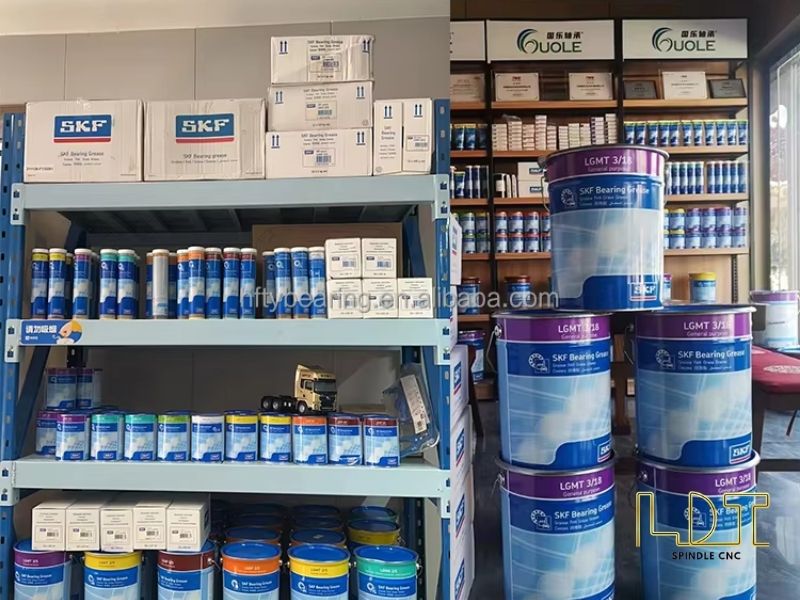
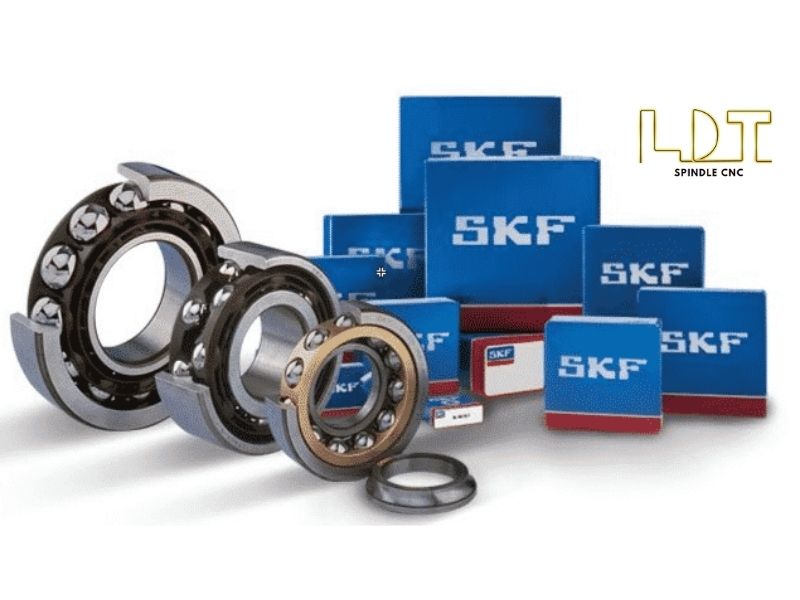
- Reputable brand: Prefer recognized brands such as SKF, Mobil, Shell or Klüber to ensure quality.
Also check grease specifications such as viscosity, temperature rating, water resistance and load-carrying capacity to ensure they meet the machinery system requirements.
How to Use Bearing Grease Correctly
Bearing grease reduces friction, protects bearings and extends equipment service life. For optimal results, use the correct grease, apply the appropriate quantity and follow the correct technical procedure. The following instructions help ensure smooth and durable machinery operation.
Inspect and Clean the Bearing
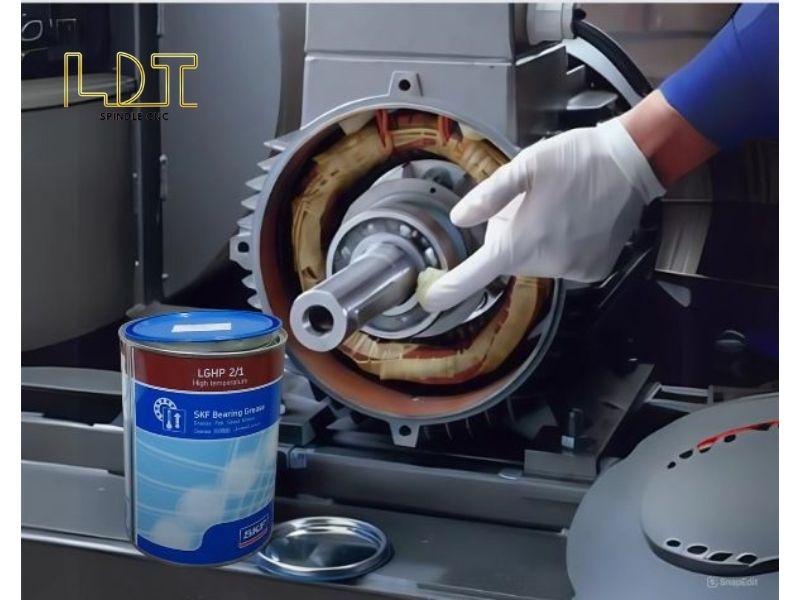
Before lubrication, clean the bearing thoroughly to remove dust, old oil and other contaminants. This allows the new grease to perform effectively.
Use the Correct Grease Quantity
Do not apply too much or too little grease. Excess grease can cause overheating, while insufficient grease cannot adequately protect the bearing. The grease quantity normally fills approximately one-third to one-half of the bearing cavity.
Lubricate Periodically
Regardless of grease quality, periodic lubrication is required to keep the bearing in optimal operating condition. The interval depends on operating conditions and manufacturer guidance.
Check Performance After Lubrication
After lubrication, confirm that the bearing operates smoothly and effectively. If abnormal noise or excessive temperature is detected, reassess the grease type or quantity.
Precautions When Using Bearing Grease
- Do not mix different greases: Mixing can reduce lubrication performance or cause chemical reactions.
- Store grease correctly: Keep it in a dry, cool place away from direct sunlight and high temperatures.
- Inspect regularly: Monitor bearing condition so grease can be replenished or replaced when required.
- Do not reuse old grease: Used grease generally contains contaminants and has lost its original lubricating properties.
=>>> Read more: Top 5 Most Popular Bearing Greases Today.
Practical Applications of Bearing Grease
Bearing grease is widely used in many fields:
- Heavy industry: Machinery systems in steel, cement and oil-and-gas production.
- Automotive: Lubrication of wheel bearings, camshafts and engine components.
- Marine: Pumping systems and marine engines.
- Household equipment: Fans, washing machines, vacuum cleaners and other electrical appliances.
Conclusion
Bearing grease and bearing lubricating grease are indispensable for stable and durable machinery operation. Selecting and using the correct grease reduces maintenance costs and improves operating performance. This article provides practical information for work and everyday applications.
If you need advice or wish to purchase high-quality lubricating grease, contact LDT for the best support!