Consequences of Using the Wrong Grease in the Food Industry
In the food industry, selecting and using the correct grease is mandatory for ensuring food hygiene and safety and protecting both equipment and consumer health. In practice, however, many businesses still use the wrong grease because of insufficient knowledge or attempts to save costs. The consequences extend beyond regulatory violations and create serious technical, health and financial risks.
1. Risk of Food Contamination
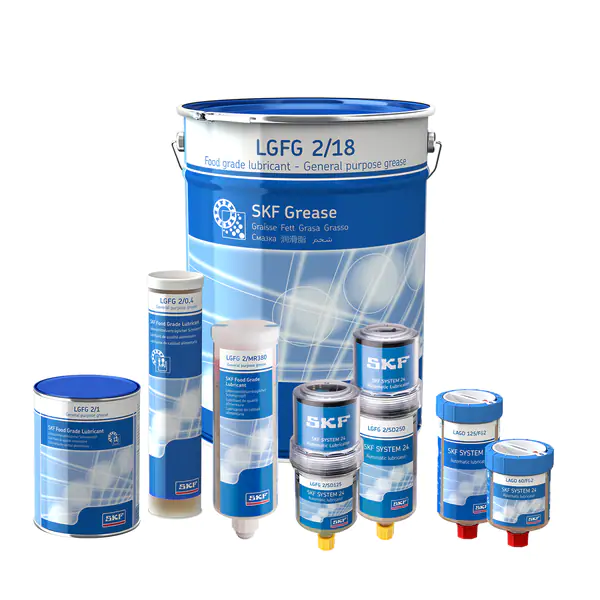
Using grease that does not meet food-grade standards or lacks NSF H1, H2 or equivalent certification can result in leakage and direct product contamination. During operation, grease may accidentally contact food through bearing units, conveyors, mixers or packaging systems. If ordinary industrial grease is used, unsuitable chemical components such as heavy metals, toxic additives and mineral oil can enter the food, creating a risk of poisoning, long-term accumulation and serious harm to consumer health.
2. Violation of Food-Safety Regulations
International standards such as HACCP, ISO 22000 and FDA requirements, as well as Vietnamese Ministry of Health regulations, require businesses to use suitable, safe materials, chemicals and lubricants in food production. Using the wrong grease can lead to legal consequences such as administrative penalties, product recalls and even suspension of production. A food-hygiene or safety incident can also seriously damage the company’s image and reputation.
3. Effects on Equipment Life and Performance
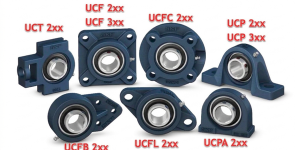
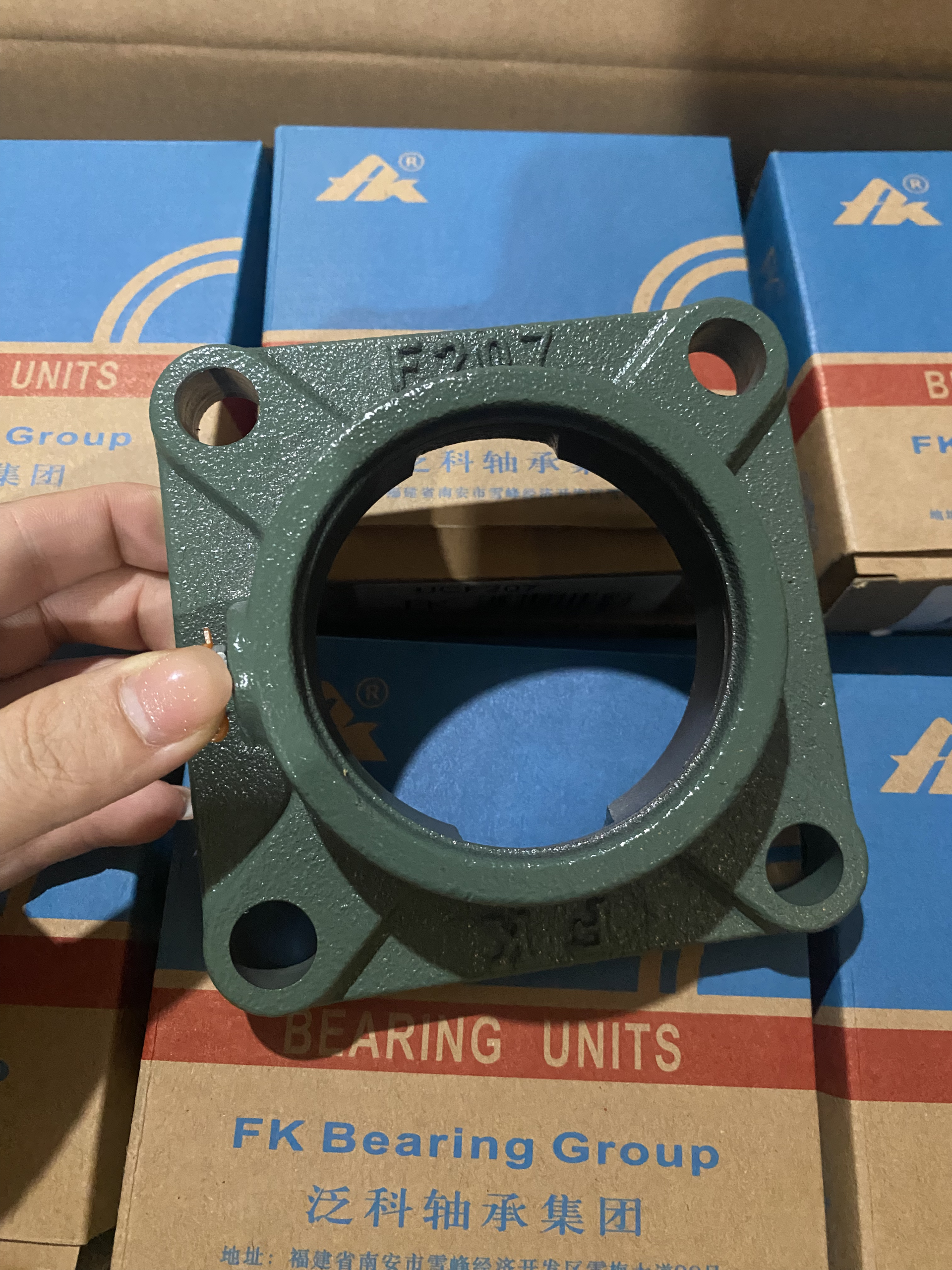
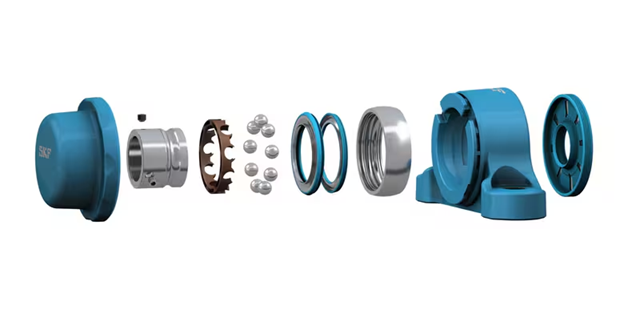
Grease unsuitable for food-production environments often lacks the water resistance, washout resistance or high-temperature performance of specialized products. The lubricating film therefore breaks down quickly, increasing friction, corrosion and metal wear in bearing units, bearings, seals and drive belts. This leads to equipment failures, additional maintenance and repair costs, and production interruptions.
Some industrial greases contain harmful additives that can cause allergies or irritate the skin and respiratory tract, or accumulate in the body after prolonged exposure. Using the wrong grease not only puts the product at risk but also directly affects the health of employees who operate and maintain equipment in food-processing plants.
5. Higher Production Costs and Business Risks
When equipment is damaged because the wrong grease was used, the business incurs costs for replacement parts, production-line stoppages and lost output. A market recall can also damage the brand. In addition, penalties imposed by authorities and the cost of resolving food-hygiene incidents can far exceed any savings made by using grease that does not meet the correct standard.
Recommendations from LDT VIETNAM INDUSTRIAL JOINT STOCK COMPANY
- Always use specialist food-grade grease carrying NSF H1 certification or an equivalent approval.
- Inspect and replace grease periodically, and train employees to identify and distinguish different grease types.
- Consult technical specialists for safe, effective lubrication solutions for each type of equipment.
- Strictly comply with legal regulations, international standards and customer food-safety requirements.
Contact:
LDT VIETNAM INDUSTRIAL JOINT STOCK COMPANY
Address: 4th Floor, HUD3 Tower, 121-123 To Hieu Street, Ha Dong Ward, Hanoi, Vietnam
Website: https://ldtvn.com/
Email: info@ldtvn.com / sales@ldtvn.com