SKF Grease Problems and Their Solutions
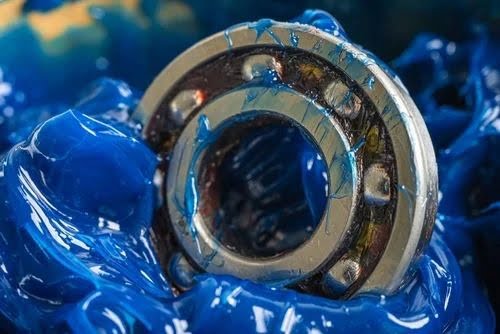
SKF grease is a leading lubrication solution for bearings and other mechanical components. However, even premium grease can cause problems when used incorrectly. Understanding common issues and remedies helps optimize performance, extend equipment life and reduce maintenance costs.

Common SKF Grease Problems and Solutions
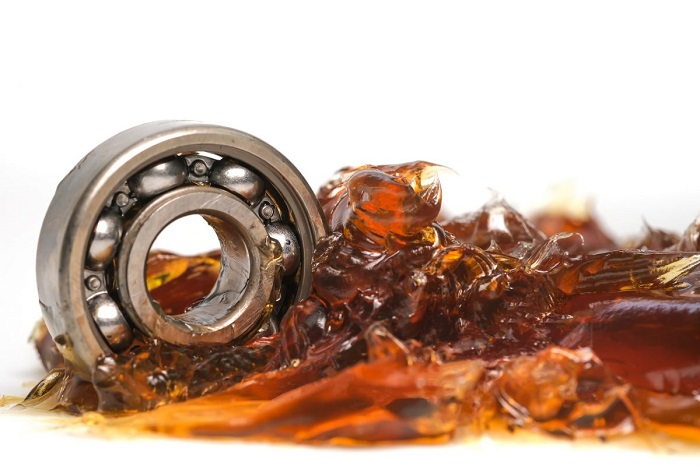
1. Grease dries and hardens
-
Causes:
-
Grease remains in service too long without replacement.
-
High operating temperature evaporates the base oil.
-
The grease is incompatible with the operating environment.
-
-
Solutions:
-
Replace grease periodically according to SKF guidance.
-
Select a high-temperature grease such as LGHP 2 or LGWA 2
-
Use an automatic lubrication system to control grease quantity.
-
2. Grease flows or leaks
-
Causes:
-
Temperature exceeds the grease limit.
-
Too much grease is applied to the bearing.
-
The seal is damaged.
-
-
Solutions:
-
Control operating temperature.
-
Apply only the recommended quantity, commonly 30-50% of the internal volume.
-
Inspect and replace the oil seal.
-
3. Grease is contaminated by dust, water or impurities
This is a leading cause of premature bearing failure. Dust, water and other contaminants enter the grease, cause wear and reduce lubrication effectiveness. SKF estimates that contamination causes up to 14% of premature bearing failures.
-
Causes:
-
Humid or dusty operating environment.
-
Poor cleanliness during grease filling.
-
Ineffective seals.
-
-
Solutions:
- Maintain a clean work area during lubrication.
-
Use high-quality grease seals and sealed bearings to prevent contaminant entry.
-
Clean the grease gun and coupler.
-
Select a water-resistant grease such as LGEP 2.
- In very harsh environments, shorten the relubrication interval so fresh grease purges contaminants.
4. Bearing overheating
-
Causes:
-
Excess grease increases friction.
-
The grease does not suit the temperature range.
-
-
Solutions:
-
Follow the recommended grease quantity.
-
Use a suitable high-temperature grease, such as LGET 2 for hot environments.
-
5. Abnormal increase in noise or vibration
-
Causes:
-
Grease is contaminated or degraded.
-
Incorrect grease type is used.
-
Incorrect bearing installation or insufficient lubrication.
-
-
Solutions:
-
Check grease condition using a lubrication sample.
-
Clean and replace it with grease suitable for the speed and rotation.
-
6. Incompatible grease types
Each grease uses a particular base oil and thickener formulation. Mixing incompatible greases can cause hardening or liquefaction, eliminate lubrication capability and cause serious failures.
-
Causes:
-
Mixing different soap-based thickeners such as lithium, polyurea and calcium.
-
Oil separation reduces lubrication effectiveness.
-
-
Solutions:
-
Do not mix greases with different thickener bases, such as lithium and polyurea, without confirming compatibility.
-
When changing grease, completely purge the old product before filling the new one.
-
Consult the SKF grease compatibility chart.
-
7. Grease remains in service too long
-
Causes:
-
No grease-replacement plan.
-
Equipment condition is not monitored.
-
-
Solutions:
-
Apply a maintenance schedule using SKF DialSet guidance or calculate the relubrication interval.
-
Take samples for periodic inspection.
-
8. Increased friction and energy consumption
-
Causes:
-
Insufficient lubrication or degraded grease.
-
-
Solutions:
-
Maintain an appropriate grease quantity and quality.
-
Use low-friction grease, such as LGHP 2 for high speeds.
-
9. Grease oxidizes or degrades rapidly
-
Causes:
-
High temperatures and harsh environments.
-
Inadequate antioxidant additives.
-
-
Solutions:
-
Use grease with high oxidation resistance.
-
Install effective protection to limit exposure to air and corrosive substances.
-
10. Insufficient grease-quantity control in an automatic system
-
Causes:
-
The automatic lubrication system is incorrectly calibrated.
-
The delivery line is blocked or leaking.
-
-
Solutions:
-
Periodically inspect automatic lubricators such as LAGD 125 or TLSD 125
-
Ensure grease output is even and sufficient.
-
11. Incorrect grease type
- Cause: Every SKF grease is designed for specific speed, temperature and load conditions. Selecting the wrong grease, such as a low-temperature product for a high-temperature application, may cause premature bearing failure.
- Solution: Consult the SKF grease technical data and equipment-manufacturer guidance to select the correct product. SKF supplies specialized greases for different operating conditions.
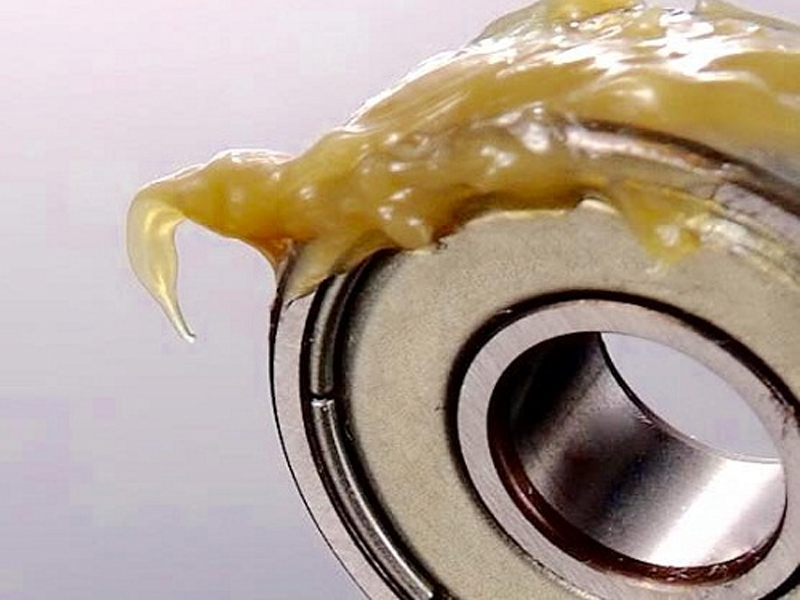
SKF grease is a high-quality product but performs best only when used and managed correctly. Identifying and resolving incorrect selection, insufficient lubrication, contamination and improper storage protects assets, improves productivity and avoids unnecessary maintenance costs.
If you need high-temperature grease: SKF LGMT 2/18 Lubricating Grease – Multipurpose Grease for Industry and Automotive Applications
LDT is proud to be a major SKF partner. In addition to supplying genuine products, LDT sales engineers provide advice and optimized technical solutions.
Contact LDT using the information below for advice and special offers.
===================================
Address: 121-123 To Hieu Street, Nguyen Trai Ward, Ha Dong District, Hanoi, Vietnam
Sales hotline: Ms Phuong: 0376286968
Facebook page:https://www.facebook.com/BoitroncongnghiepSKF?ref=embed_page