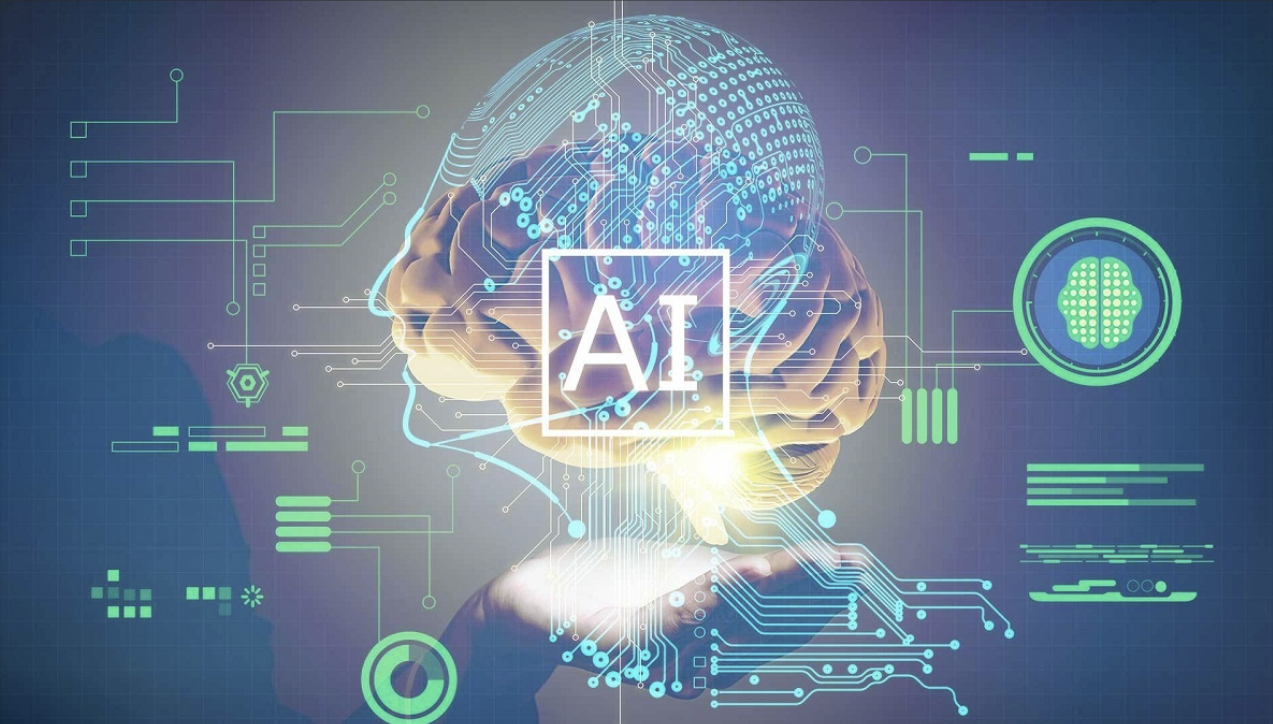
Applying AI to technical analysis – In the Industry 4.0 era; artificial intelligence (AI) has become a powerful assistant across fields; especially engineering. From technical data analysis to machinery management and operation; AI is redefining how businesses manufacture and use technical products.
1. Why apply AI to technical analysis?
AI simulates human intelligence through machines; especially computer systems. AI can:
-
Analyze complex data at high speed,
-
Learn from historical data (machine learning),
-
Make accurate real-time predictions.
Applying AI in engineering reduces operating costs while improving accuracy; safety and production efficiency.
2. Applying AI to technical analysis
a. Machinery and equipment data analysis
AI collects and analyzes data from machine-mounted sensors to:
-
Predict failures (predictive maintenance),
-
Assess equipment operating performance,
-
Provide early warning of abnormal conditions.
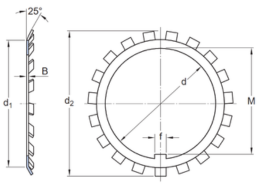
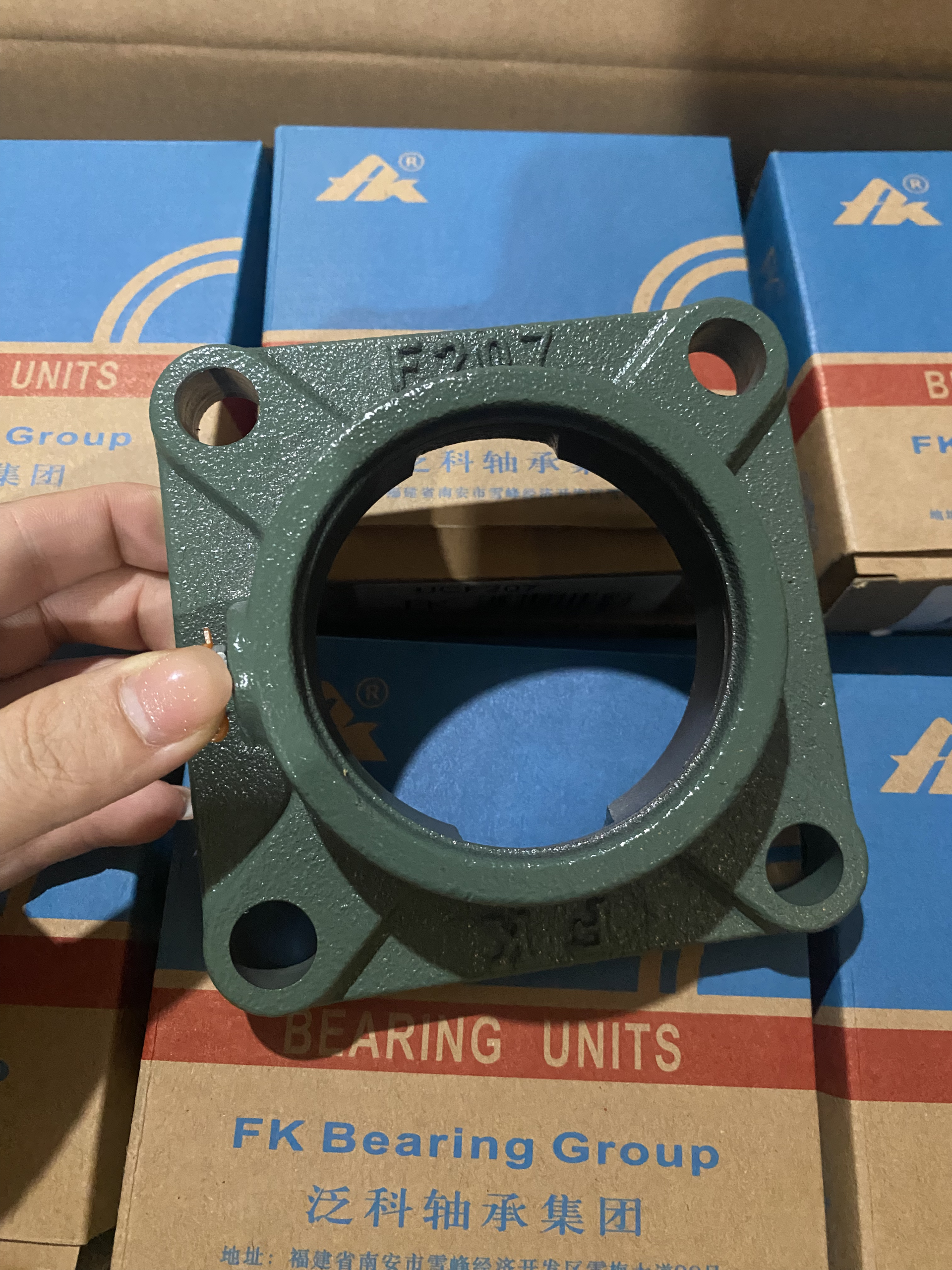
➡️ Real-world example: An AI system monitoring industrial bearings can predict wear and abnormal vibration so they are replaced in time; avoiding serious failures.
b. Product design optimization
AI is used to:
-
Analyze structural simulations,
-
Optimize CAD/CAE designs,
-
Automatically suggest structural changes that increase strength and reduce weight.
c. Supporting engineers in production
AI can:
-
Automatically generate technical reports from sensor data,
-
Recommend operating-parameter adjustments,
-
Guide engineers through maintenance using AI-integrated virtual reality (AR/VR).
3. Applying AI when using technical products
a. Intelligent operating guidance
Through an AI chatbot or virtual assistant; users can:
-
Look up technical specifications,
-
Receive situation-specific operating instructions,
-
Receive automatic fault alerts when operating incorrectly.
b. Remote equipment maintenance and management
An IoT-connected AI system can:
-
Monitor machinery condition in real time,
-
Automatically schedule maintenance,
-
Alert technicians when a fault is detected.
c. Improving user experience
AI can personalize manuals; provide technical-support videos; or use augmented reality (AR) to help technicians work more easily.
4. Benefits of applying AI in engineering
| Benefit | Description |
|---|---|
| ⏱ Save time | Analyze data faster than people |
| ⚙ Improve operating efficiency | Reduce technical errors and increase productivity |
| 💡 Optimize costs | Proactive maintenance and fewer unexpected failures |
| 🔐 Improve safety | Limit equipment-accident risks |
| 📈 Make accurate decisions | Based on real data and machine learning |
5. The future of AI in engineering
In the coming years; AI will not only assist but drive autonomous engineering systems. Manufacturing; electrical and electronic; mechanical; automotive and aerospace industries are adapting to AI as an essential part of their operations.
6. Conclusion
AI is no longer a trend; it is essential for engineering companies seeking sustainable growth in the digital era. Applying AI to technical analysis and product use improves performance; cuts costs and creates a strong competitive advantage.

Dear customer; contact LDT using the information below for advice and special offers!
===================================
Address: 121-123 To Hieu Street; Nguyen Trai Ward; Ha Dong District; Hanoi; Vietnam
Sales hotline: Mr Toan: 0948.068.692
Fanpage:https://www.facebook.com/BoitroncongnghiepSKF?ref=embed_page