Lubrication, although often treated as a routine task, becomes more important when it matters most. Alain Noordover, SKF’s director of lubrication management development, emphasizes its critical role in delivering major efficiency gains and shares insights from his extensive experience.
Lubrication is critical to manufacturing, yet it is often treated as something not worth attention—so basic that it seems hardly worth anyone’s time. We all know that without lubricant, machinery can literally stop. Poor lubrication practices and contamination account for around half of premature rolling-bearing failures, and even more when equipment such as industrial chains is considered. Over time, very little has changed. Although new lubricants, tools and even some lubrication-management software are available, this dismissive approach persists.
Inadequate lubrication can lead to enormous waste of capital, resources, people and the environment, at a time when environmental concerns such as CO2 emissions are central to everything.
A 2017 study in the journal Friction estimated that 20 percent of the world’s energy is used to overcome friction losses. Some of this is unavoidable—we do not live in a frictionless world—but imagine how much could be reduced through more effective lubrication. Accordingly, every year a share of any nation’s GDP is spent replacing worn components.
A targeted approach in the form of lubrication management can help improve efficiency. Done properly, lubrication can be transformed from its current status as a liability into a genuine asset.
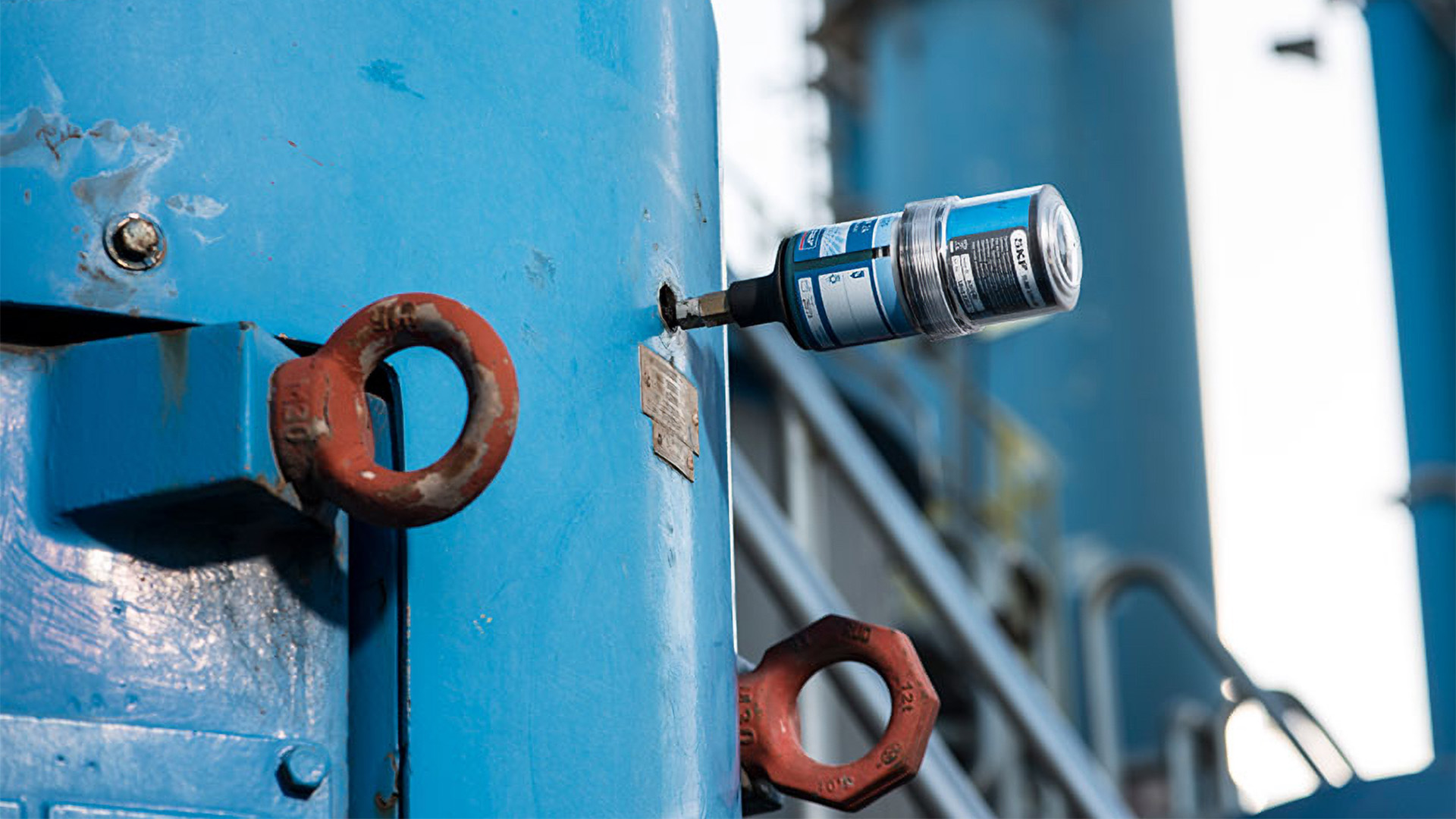
Poor performance
With all these potential benefits of proper lubrication, we should consider some reasons why it is managed so poorly:
- It is dirty and not very enjoyable work. Lubricants are not the easiest materials to handle, and using them requires walking and carrying out many routine activities.
- Lubrication accounts for only a small share (often around 10 percent) of a company’s maintenance budget, so it is commonly overlooked or treated as a cost rather than an opportunity.
- More knowledge and skills are needed, at both operational and management levels, when it comes to lubrication.
- It involves countless tasks at every lubrication point, all of which require skills and best practices to complete.
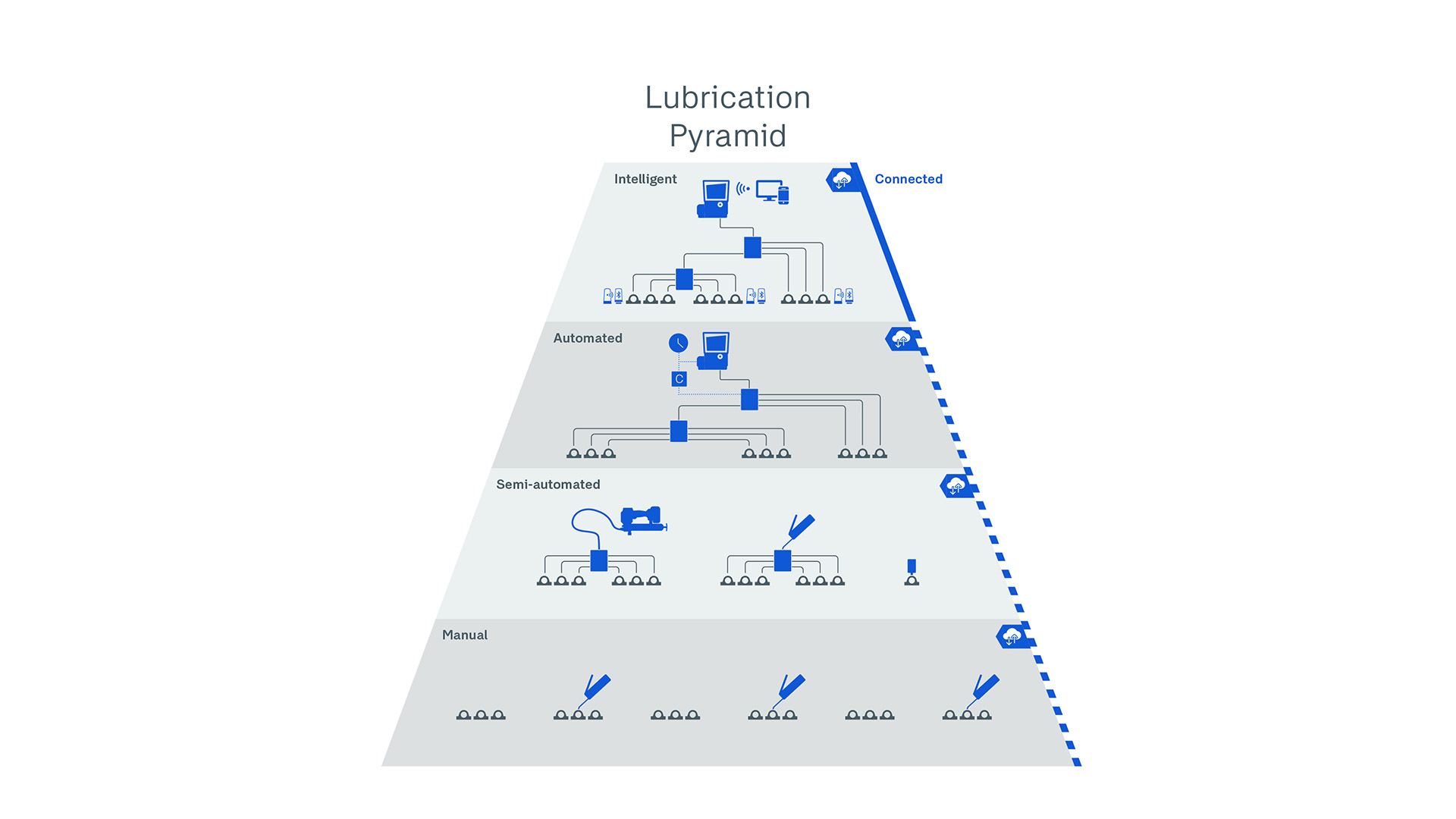
Learn more about lubrication management in Part 2: http://anva.com/design/DAGWW1HNslU/yORVIwlpkdH6_1AnPI6H5A/edit
Dear customer, contact LDT using the information below for advice and special offers!
===================================
Address: No. 121-123 To Hieu Street, Nguyen Trai Ward, Ha Dong District, Hanoi, Vietnam
Business hotline: 02466880598
Fanpage:https://www.facebook.com/BoitroncongnghiepSKF?ref=embed_page