Bearings are essential components in most industrial machinery and equipment. They help reduce friction, improve operating efficiency, and extend the service life of moving parts. Using bearings effectively not only ensures optimum equipment performance but also helps minimize maintenance costs and protect machinery from damage. However, proper bearing use and maintenance are critical to achieving these benefits. Below is a detailed guide to using bearings effectively.
1. Select the right bearing type for the specific application
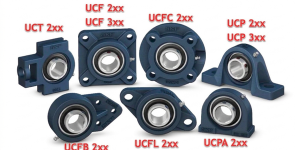
To use bearings effectively, the first step is to select the right bearing type for each application. Different bearing types have different load, temperature, and operating-environment capabilities. Therefore, understanding the equipment’s technical requirements and operating characteristics will help you select the appropriate bearing.
- Ball bearings: Suitable for light- and medium-load applications and capable of operating at high speeds.
- Roller bearings: Used for applications requiring heavy-load capacity and high precision.
- Tapered roller bearings: Commonly used in applications that must accommodate combined radial and axial loads.
- Spherical roller bearings: Suitable for applications involving extremely heavy loads, particularly in heavy industry.
Selecting the right bearing type not only optimizes performance but also ensures reliable operation in demanding working environments.
2. Install bearings correctly
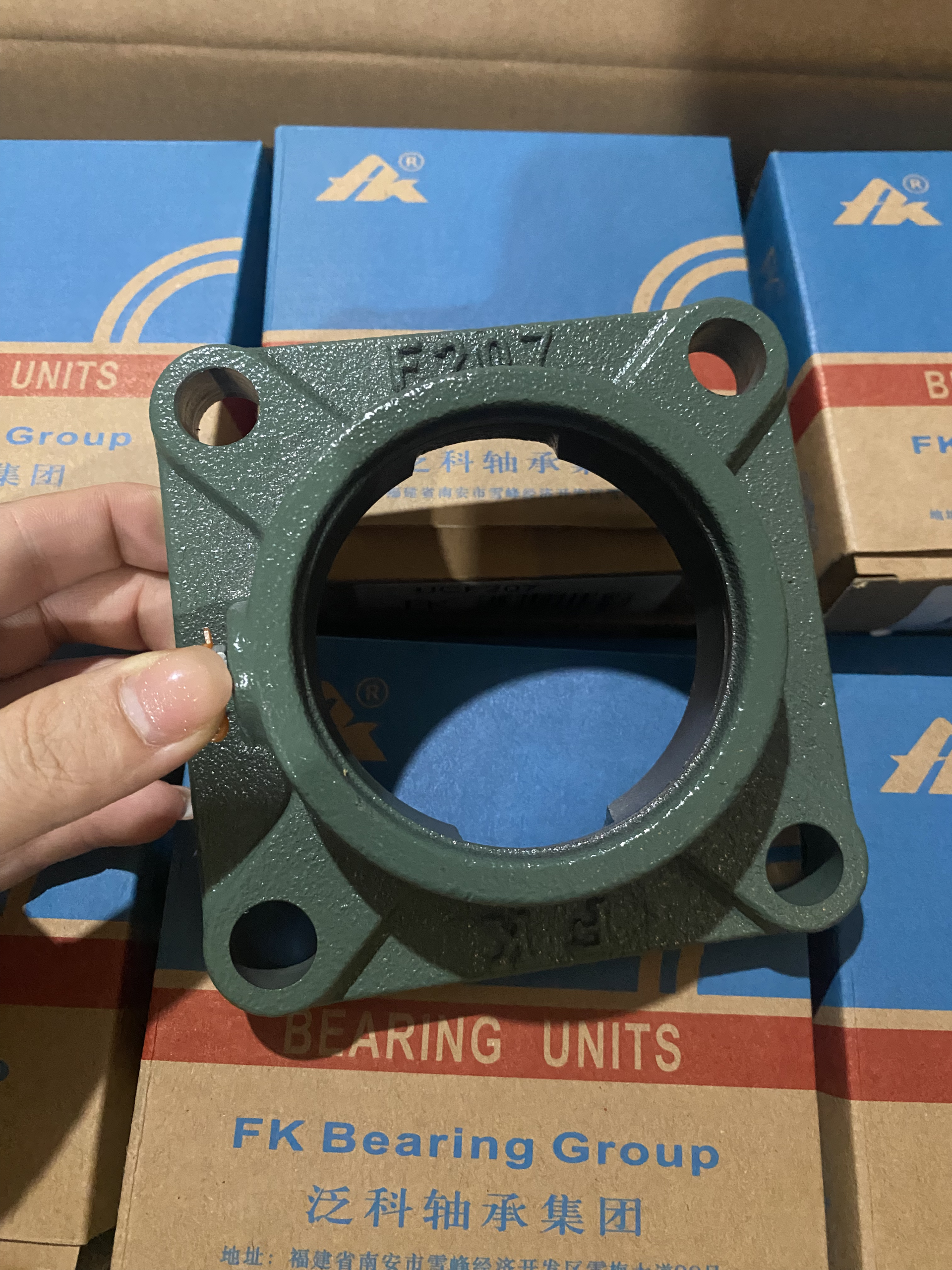
Correct bearing installation is an important factor in efficient operation and long service life. Installation errors can cause premature failure, reduce performance, and lead to breakdowns. The following points should be considered when installing industrial bearings:
- Check the accuracy of mounting surfaces: Bearing mounting surfaces must be clean and free of dirt, old lubricant, and other contaminants. Ensure that the contact surfaces between the bearing and the mounting components are flat and accurate.
- Use the correct tools: Use specialized tools when installing bearings to avoid damaging bearing components. Do not use hammers or unsuitable tools, as they can damage the rolling elements or outer ring.
- Do not apply force directly through the bearing: During installation, always apply force to the outer or inner ring, depending on the bearing arrangement, rather than directly to the rolling elements, to prevent damage to internal components.
3. Service and maintain bearings
Regular bearing maintenance is essential for extending service life and maintaining operating performance. Some basic maintenance practices are outlined below:
- Inspect and replace lubricant: Lubricating oil or grease reduces friction and wear between bearing components. Regularly check the oil or grease level in the bearing and replace it when necessary. Use a lubricant that meets the bearing’s technical requirements and suits the operating environment.
- Remove dirt and contaminants: Dirt and other contaminants can enter the bearing and reduce operating performance. Clean bearing components during maintenance to prevent the ingress of dust and water.
- Check for wear and noise: Bearings may become noisy when worn or damaged. If unusual noise is heard or the bearing shows signs of wear, inspect and replace it immediately to prevent damage to other machinery components.
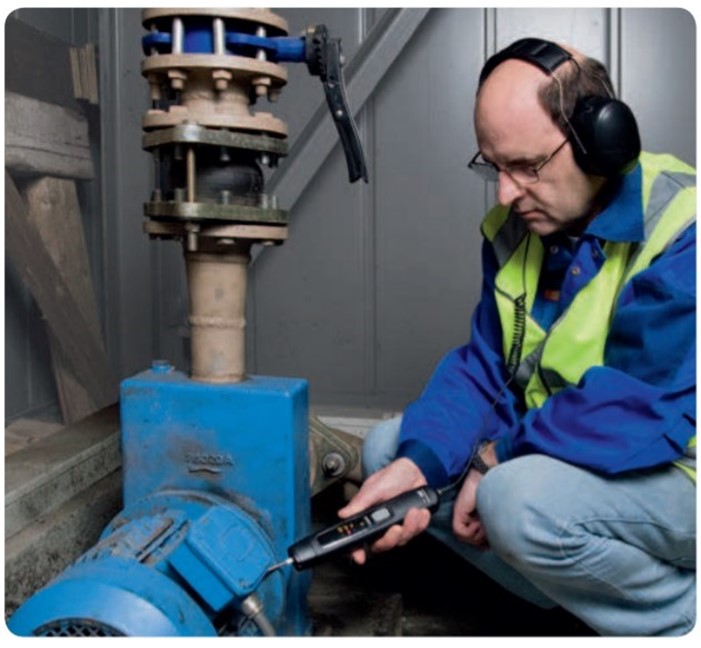
- Monitor temperature and vibration: Changes in temperature and vibration may indicate inefficient bearing operation. Use temperature and vibration monitoring equipment to detect problems early and take timely corrective action.
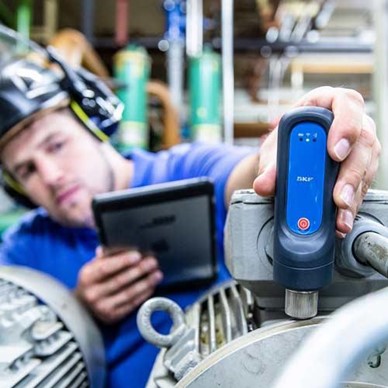
Temperature and vibration monitoring
4. Select the appropriate lubricating grease and oil
Selecting the right lubricant for each bearing type and operating environment is very important. Lubricants play a vital role in protecting bearings against wear and corrosion. Factors to consider when selecting lubricants include:
- Oil viscosity: Select an oil with a viscosity appropriate for the bearing’s operating conditions. Viscosity that is too low or too high can impair lubrication performance.
- Oxidation resistance: The lubricant should provide good oxidation resistance to maintain lubrication quality over extended periods, particularly in high-temperature environments.
- Corrosion and water resistance: The lubricant should protect bearings from corrosion caused by water or chemicals that may enter the bearing.
4. Use high-quality bearings from reputable suppliers
Finally, for effective bearing operation, choose bearing products from reputable suppliers and well-known brands. Leading bearing manufacturers such as SKF, NSK, Timken, and FAG commonly provide high-quality products that are tested and certified to international standards. Selecting high-quality bearings helps ensure stable and reliable operation throughout their service life.
Where can you buy high-quality genuine bearing maintenance products?
LDT is proud to be a major SKF partner, offering genuine products available from stock.
In addition to supplying genuine products, LDT’s sales engineering team provides consultation and recommends optimum technical solutions.
Contact LDT today using the information below for consultation and access to special offers.
===================================
Address: No. 121-123 To Hieu Street, Nguyen Trai Ward, Ha Dong District, Hanoi, Vietnam
Sales hotline: Mr Toan : 0948.068.692